In modern automotive systems, tailgate proximity sensors have become integral components for convenience and safety features, such as hands-free liftgate operation, automatic opening/closing, and collision avoidance. These sensors, typically employing electromagnetic or capacitive sensing technology, detect the presence of objects or users near the vehicle's rear. When a tailgate proximity sensor malfunctions, it can lead to system failures—ranging from an inoperative power liftgate to false activation warnings—compromising both functionality and safety. This guide provides a systematic approach for automotive technicians and engineers to diagnose and resolve these issues effectively.
The initial step in troubleshooting involves verifying the symptom and gathering data. Common failure indicators include the power liftgate not responding to foot gestures or key fob commands, intermittent operation, persistent warning messages on the instrument cluster (e.g., "Liftgate Malfunction" or "Check Surroundings"), or unintended activation. Utilizing a professional-grade OBD-II scanner to retrieve Diagnostic Trouble Codes (DTCs) from the vehicle's body control module (BCM) or dedicated sensor module is crucial. Codes such as Bxxxx series related to "proximity sensor circuit" or "signal plausibility" provide a starting point. Simultaneously, consult the vehicle's service manual for technical service bulletins (TSBs) that may address known sensor issues or software glitches specific to the make and model.
Once preliminary data is collected, proceed with a visual and physical inspection. Focus on the sensor's location, usually integrated into the rear bumper fascia, near the license plate, or within the tailgate handle assembly. Check for obvious physical damage, such as cracks, impact marks, or moisture intrusion. Environmental factors like road debris, corrosion from salt, or improper aftermarket modifications (e.g., bumper repairs or trailer hitch installations) can impair sensor performance. Ensure the sensor is securely mounted and that its alignment hasn't been disturbed, as even minor misalignment can affect detection range and accuracy.
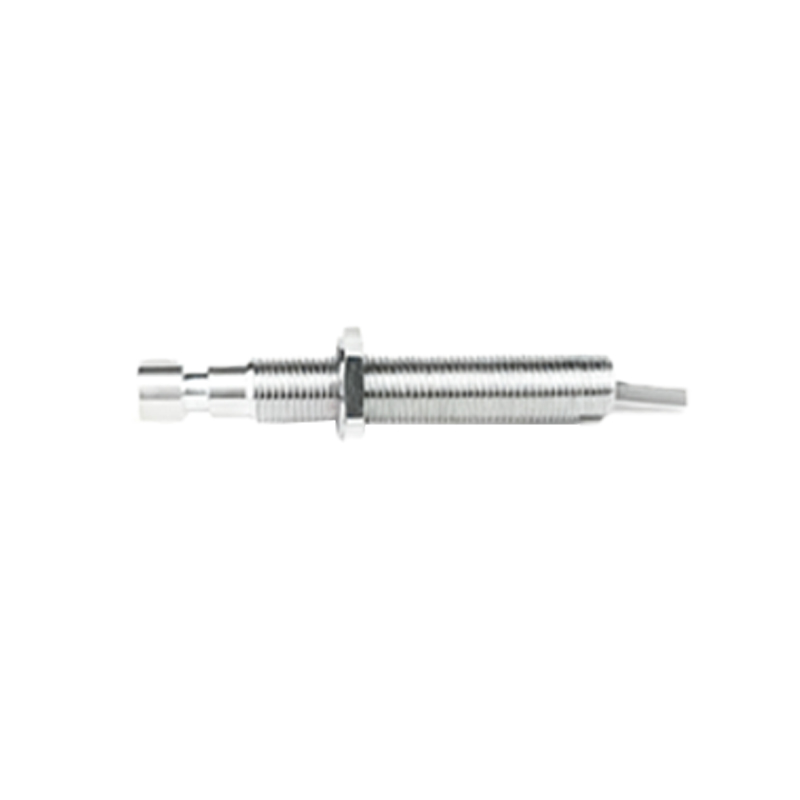
Electrical diagnosis is the core of the repair process. Begin by disconnecting the sensor connector and inspecting it for signs of corrosion, bent pins, or poor contact. Using a digital multimeter, measure the supply voltage and ground at the sensor harness with the ignition on. Typically, these sensors operate on a 5V or 12V reference voltage; deviations beyond ±10% indicate wiring or module issues. Next, test the signal circuit. Many proximity sensors output a PWM (Pulse Width Modulation) or LIN (Local Interconnect Network) signal. An oscilloscope is ideal for analyzing this signal waveform. Compare the observed waveform—checking amplitude, frequency, and duty cycle—against specifications in the service manual. A flatline, erratic signal, or signal out of range confirms sensor or circuit failure.
If the wiring and power supply are confirmed intact, the sensor itself likely requires replacement. Before replacing, consider software factors. Some vehicles require sensor calibration or initialization after replacement, which involves using a factory scan tool to program the new sensor to the BCM. Additionally, software updates for the BCM or sensor module may resolve intermittent faults caused by bugs. Always check for available updates via the manufacturer's portal.
In cases where the sensor tests normal but faults persist, investigate potential interference sources. Aftermarket electronic devices (e.g., LED lighting kits, poorly shielded amplifiers) or metallic objects near the sensor can create electromagnetic interference, disrupting signals. Also, inspect related components like the tailgate control module, wiring harnesses running through hinge areas (which are prone to fatigue and breakage), and the vehicle's battery condition, as low voltage can cause sensor anomalies.
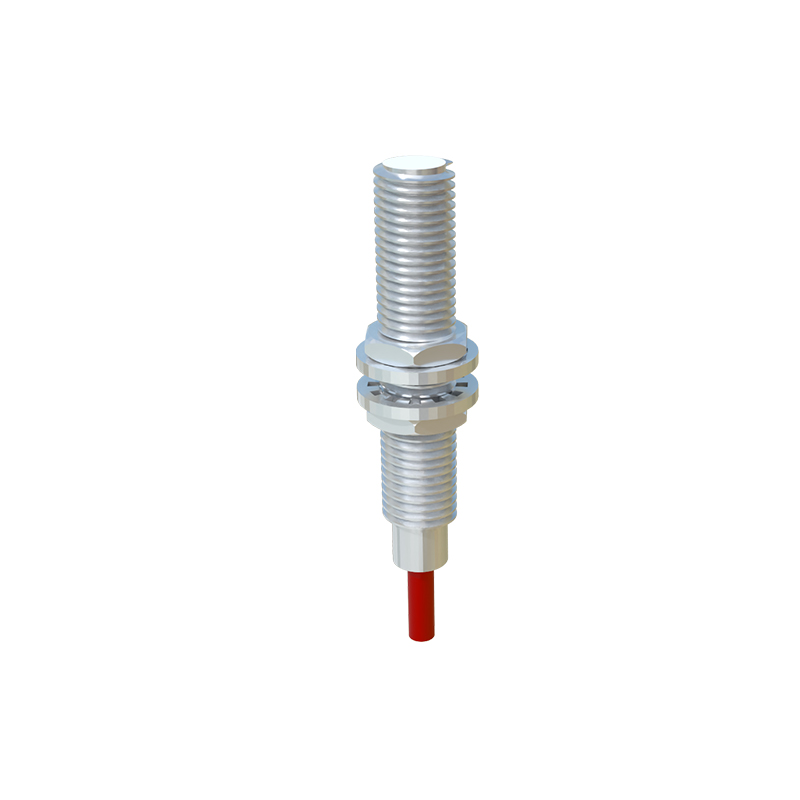
Post-repair validation is essential. Clear all DTCs, perform a system reset as per manual procedures, and conduct comprehensive functional tests. Simulate real-world conditions by testing the sensor with various gestures and objects at different distances. Ensure no warning lights remain and that the system operates consistently. Document the repair steps and findings for future reference, contributing to improved diagnostic efficiency.
Proactive maintenance tips include advising vehicle owners to keep the sensor area clean from mud, snow, or adhesives and to avoid impacts. For technicians, staying updated with OEM training on evolving sensor technologies—such as radar-based or ultrasonic proximity systems—is key to handling next-generation vehicle systems. By methodically applying electrical diagnostics, leveraging proper tools, and considering both hardware and software aspects, professionals can reliably restore tailgate proximity sensor functionality, ensuring customer satisfaction and vehicle safety.