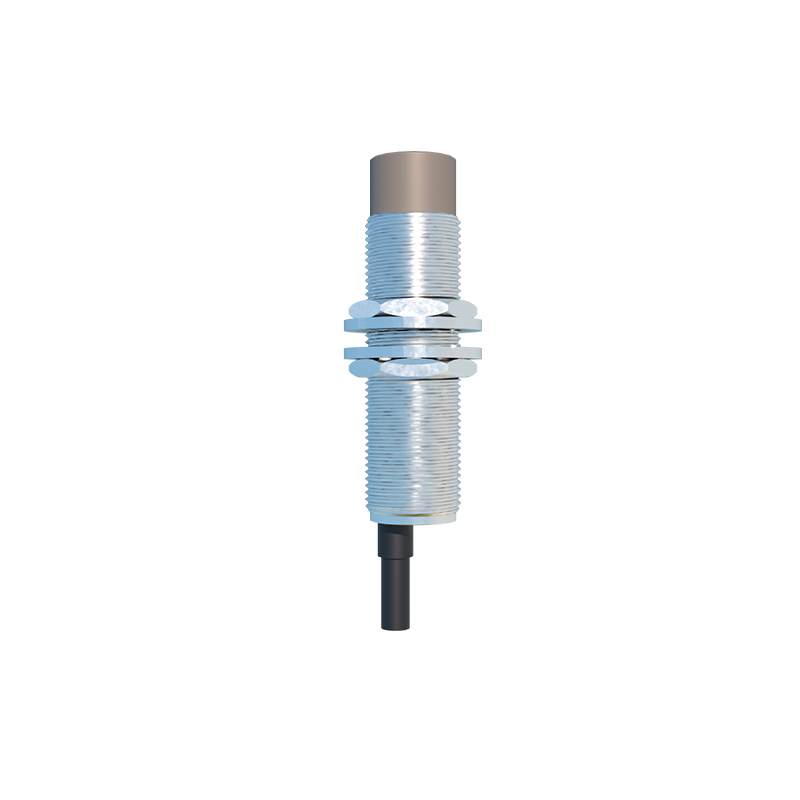
In the realm of industrial automation and control systems, proximity sensors are indispensable components for detecting the presence, absence, or position of objects without physical contact. Their accuracy in position measurement is a critical factor that directly impacts the efficiency, safety, and reliability of operations. This article delves into the accuracy of proximity sensors, exploring the factors that influence their performance and providing insights into best practices for optimal use.
Proximity sensors operate based on various principles, including inductive, capacitive, ultrasonic, and photoelectric technologies. Each type has its own strengths and limitations when it comes to accuracy. Inductive sensors, for instance, are highly effective for detecting metallic objects but may struggle with non-metallic materials. Capacitive sensors can detect both metallic and non-metallic objects, but their accuracy can be affected by environmental factors like humidity and temperature. Ultrasonic sensors offer good range and can work in challenging conditions, but they may be susceptible to interference from air turbulence or acoustic noise. Photoelectric sensors provide high precision for small objects and fast-moving applications, yet they require clear line-of-sight and can be influenced by ambient light or surface reflectivity.
The accuracy of a proximity sensor in position measurement is typically defined by its repeatability, resolution, and linearity. Repeatability refers to the sensor's ability to consistently return the same measurement under identical conditions. High repeatability is essential for applications where precise positioning is crucial, such as in robotic assembly lines or CNC machining. Resolution indicates the smallest change in position that the sensor can detect. Sensors with high resolution can capture minute movements, making them suitable for fine-tuning processes. Linearity measures how well the sensor's output corresponds to the actual position over its entire range. Non-linearities can introduce errors, especially in applications requiring long-range detection.
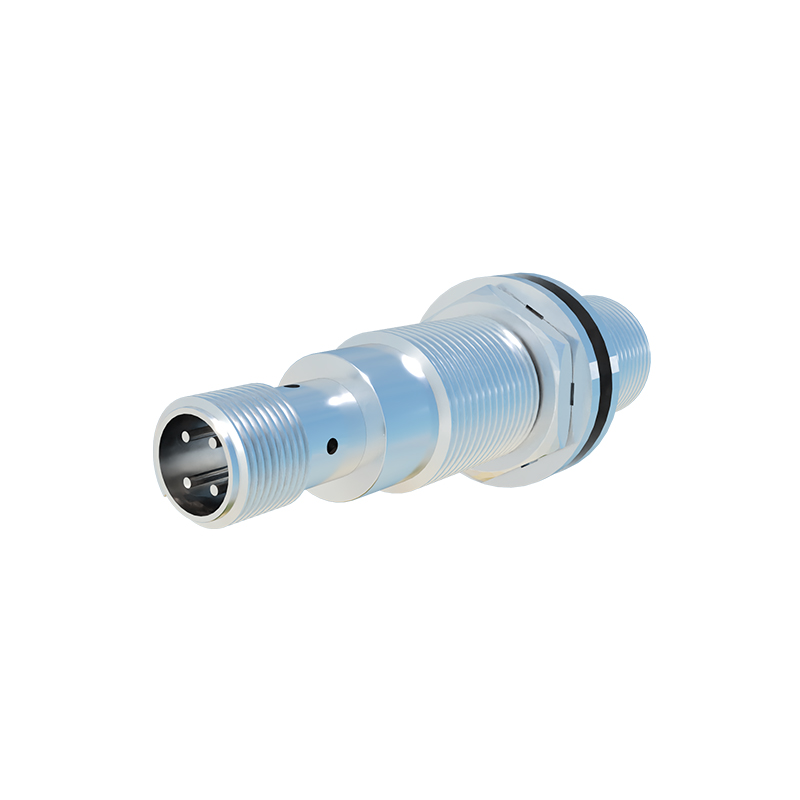
Several factors can affect the accuracy of proximity sensors. Environmental conditions play a significant role; for example, temperature fluctuations can cause material expansion or contraction, altering the distance between the sensor and the target. Electromagnetic interference (EMI) from nearby equipment may disrupt sensor signals, leading to inaccurate readings. The characteristics of the target object, such as its size, shape, material, and surface finish, also influence accuracy. A sensor calibrated for a flat, smooth metal surface might not perform as well with a curved, textured, or non-metallic object. Additionally, installation errors, such as misalignment or improper mounting, can compromise accuracy.
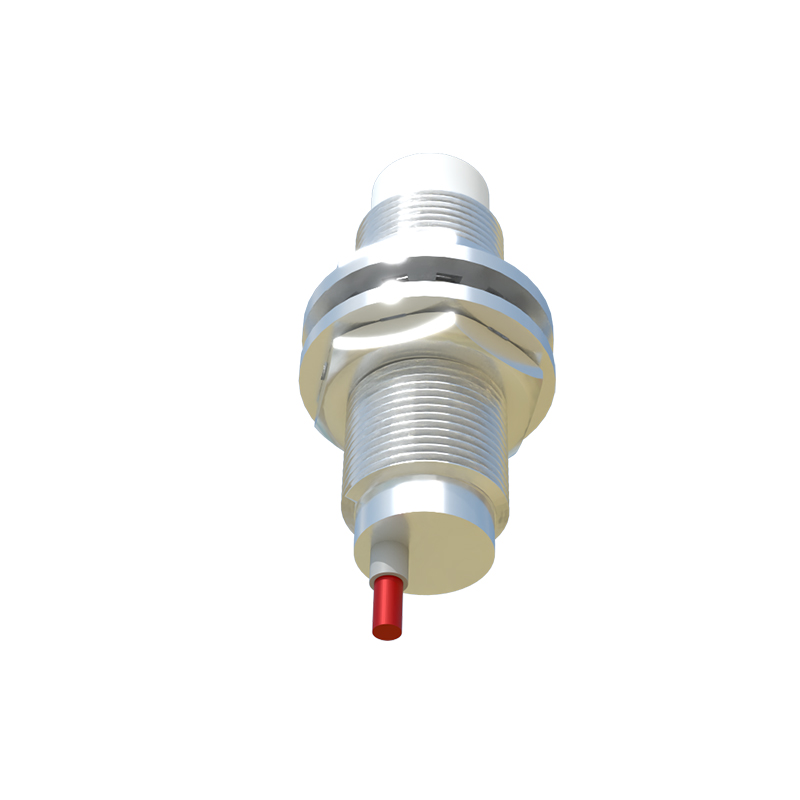
To ensure high accuracy, it is vital to select the right sensor for the specific application. Consider the operating environment, target properties, required range, and response time. Regular calibration and maintenance are necessary to account for wear and tear or environmental changes. Shielding sensors from EMI, using stable power supplies, and implementing signal conditioning techniques can further enhance accuracy. In critical applications, integrating multiple sensors or combining proximity sensors with other measurement technologies, like encoders or vision systems, can provide redundancy and improve overall precision.
In conclusion, proximity sensors can achieve high accuracy in position measurement when properly selected, installed, and maintained. While no sensor is perfect, understanding their limitations and optimizing their use can lead to reliable and efficient performance in diverse industrial settings. As technology advances, newer sensors with improved algorithms and materials are emerging, offering even greater accuracy and robustness for the future of automation.