In industrial automation and control systems, proximity sensors play a critical role in detecting the presence or absence of objects without physical contact. Among the various technical specifications that define their performance and reliability, the rated current is a fundamental parameter that engineers must carefully consider during selection and implementation. This article delves into the concept of rated current in proximity sensors, its significance, and practical implications for system design.
Rated current, often denoted as I_N, refers to the maximum continuous current that a proximity sensor can safely handle under normal operating conditions without risking damage or degradation. It is typically specified by manufacturers based on rigorous testing and standards, such as IEC 60947-5-2 for inductive and capacitive sensors. This parameter is crucial because it directly influences the sensor's ability to drive loads, such as relays, solenoids, or programmable logic controller (PLC) inputs, while ensuring long-term stability and safety.
In proximity sensors, the rated current is closely tied to the output configuration. Common output types include two-wire DC sensors, three-wire DC sensors (with NPN or PNP transistors), and analog outputs. For two-wire sensors, the rated current is often lower due to their simple design, typically ranging from 5 mA to 200 mA, depending on the model and voltage rating. These sensors are connected in series with the load, and the current flows through both the sensor and the load. Exceeding the rated current can lead to overheating, reduced lifespan, or failure. In contrast, three-wire sensors offer higher rated currents, often up to 500 mA or more, as they use a separate supply line and switching transistor, allowing for better load handling and isolation.
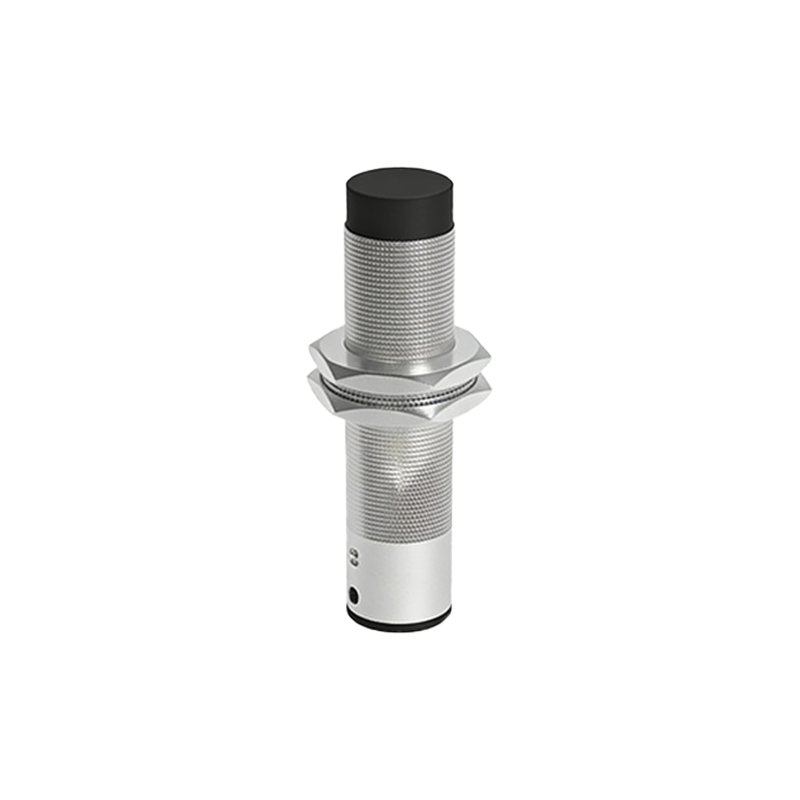
The importance of adhering to the rated current cannot be overstated. When a proximity sensor is subjected to currents beyond its rated value, several issues may arise. First, excessive current generates heat within the sensor's electronic components, potentially causing thermal stress and accelerating wear. Over time, this can degrade the sensor's sensitivity and accuracy, leading to false triggers or missed detections in automated processes. In severe cases, it may result in permanent damage, necessitating costly replacements and downtime in production lines. Moreover, operating above the rated current can affect the sensor's response time and switching frequency, compromising system efficiency.
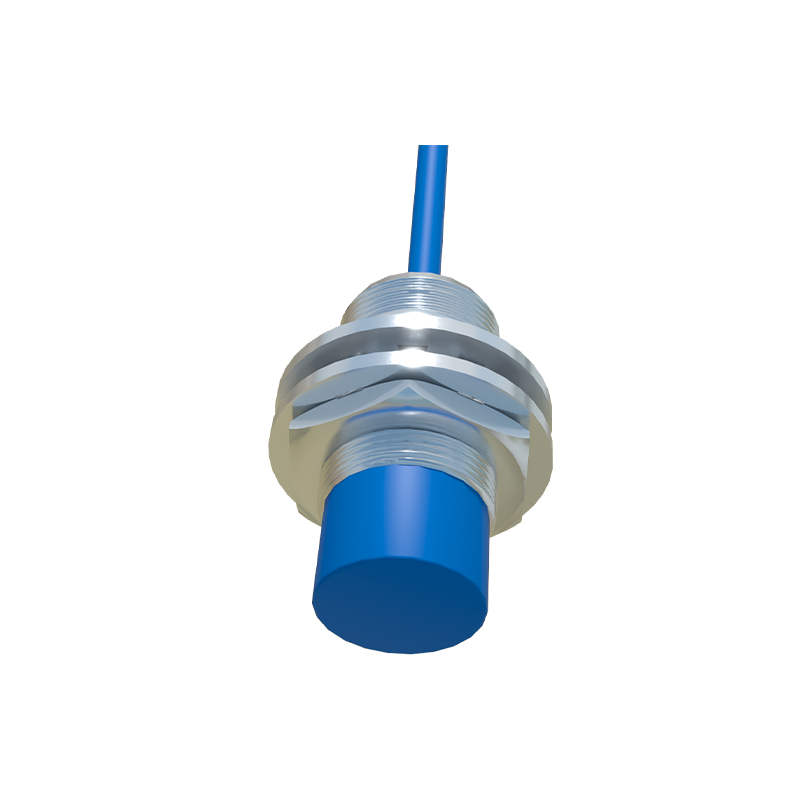
To ensure optimal performance, engineers must match the sensor's rated current with the load requirements. This involves calculating the load current based on the connected device's specifications. For instance, if a proximity sensor is used to control a relay coil with a nominal current of 100 mA, selecting a sensor with a rated current of at least 150 mA provides a safety margin, accounting for inrush currents or variations in supply voltage. It is also essential to consider environmental factors, such as ambient temperature, which can impact current-carrying capacity. High temperatures may derate the sensor's current handling ability, requiring a higher-rated model or additional cooling measures.
In practice, many proximity sensors incorporate protection features to safeguard against overcurrent conditions. These may include short-circuit protection, overload detection, or built-in thermal shutdown mechanisms. However, relying solely on these protections is not advisable; proper design and selection remain paramount. Engineers should consult manufacturer datasheets, which provide detailed curves showing the relationship between rated current, ambient temperature, and duty cycle. Additionally, using external components like series resistors or current-limiting circuits can help manage load currents effectively.
Another aspect to consider is the impact of rated current on power consumption and energy efficiency. Sensors with higher rated currents may draw more power, increasing operational costs in large-scale installations. Therefore, balancing current requirements with energy-saving goals is key. Modern proximity sensors often feature low-power designs or programmable outputs to optimize current usage without sacrificing performance.
In summary, the rated current is a vital specification in proximity sensors that dictates their load-driving capability and reliability. By understanding and applying this parameter correctly, engineers can enhance system durability, prevent failures, and maintain smooth industrial operations. Always verify ratings against application needs, account for environmental conditions, and prioritize quality components to achieve robust automation solutions.