In the intricate world of industrial automation and machine design, the selection and procurement of critical components like proximity sensors are foundational to system reliability and efficiency. As an electrical engineer with decades of experience navigating supply chains, I understand that the question of "where to buy" is far more nuanced than simply finding a vendor. It involves evaluating technical specifications, supply chain robustness, application suitability, and long-term support. This guide provides a detailed roadmap for sourcing high-quality proximity sensors, tailored for engineers, procurement specialists, and maintenance managers.
The landscape of proximity sensor suppliers is vast, but can be strategically categorized into several primary channels, each with distinct advantages.
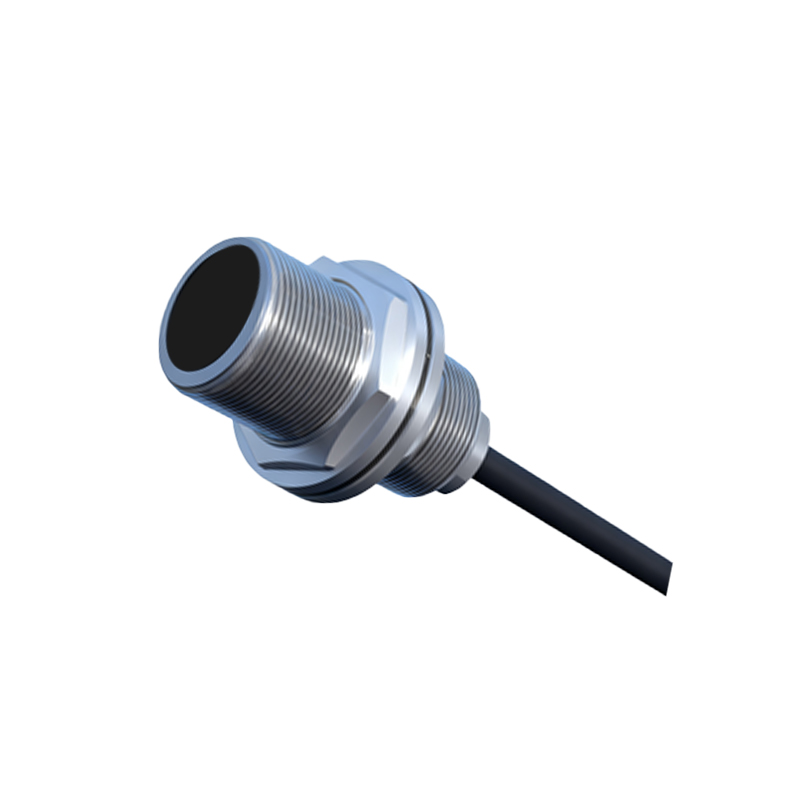
1. Direct from Manufacturer (OEMs)
Purchasing directly from original equipment manufacturers (OEMs) is often the preferred route for large-scale projects or when requiring highly customized solutions. Leading global OEMs such as Siemens, Schneider Electric, Omron, Rockwell Automation (Allen-Bradley), and Pepperl+Fuchs offer the most direct access to their full product portfolios, including the latest inductive, capacitive, and ultrasonic proximity sensors. The paramount benefits are access to comprehensive technical data sheets, application engineering support, and guaranteed authenticity. You can be confident the sensor meets the exact specifications published. This channel is ideal for establishing frame agreements for ongoing projects, ensuring consistency in part numbers and performance across your machinery.
2. Authorized Distributors and Stocking Partners
For most industrial applications, authorized distributors serve as the vital link between OEMs and end-users. Major global and regional distributors like RS Components, Digi-Key, Mouser Electronics, and Grainger, alongside specialized automation distributors, maintain extensive local inventories. The key advantage here is availability and speed. They stock a wide range of models from multiple manufacturers, allowing for comparative sourcing and rapid delivery—often within 24 hours—which is crucial for maintenance, repair, and operations (MRO) or urgent line-down situations. Authorized status ensures the sensors are genuine and come with full manufacturer warranty. These distributors also provide valuable localized services, including technical support, kitting, and simplified logistics.
3. Specialized Industrial Automation Suppliers
Companies that focus exclusively on industrial control and automation components often provide a higher level of product expertise than general-purpose distributors. Suppliers like AutomationDirect, Beckhoff, or local system integrators not only sell sensors but can offer profound application advice. Their catalogs are curated for industrial environments, meaning the sensors listed are typically rugged, with appropriate ingress protection (IP) ratings, temperature tolerances, and output types (PNP/NPN, NO/NC) for harsh factory conditions. They are excellent partners for solving complex sensing challenges, such as detecting non-metallic objects or operating in extreme temperatures.
4. Online Marketplaces and E-Commerce Platforms
The rise of B2B e-commerce has transformed industrial procurement. Platforms like Amazon Business, eBay Business, and even the online portals of traditional distributors (e.g., RS Online) offer unparalleled convenience for researching, comparing prices, and reading user reviews. However, extreme caution is advised. While convenient for prototyping or sourcing non-critical components, the risk of receiving counterfeit, refurbished, or sub-spec components is significant. Always verify the seller's authorization status with the OEM. For mission-critical automation safety functions, this channel carries inherent risk and requires diligent supplier vetting.
Key Procurement Considerations Beyond the Vendor:
Technical Specifications: Never compromise on the core specs: sensing distance, target material, output type, voltage range, housing material (e.g., stainless steel vs. nickel-plated brass), and connection style (pre-wired, quick-disconnect).
Certifications and Compliance: Ensure the sensor carries necessary certifications for your region (e.g., UL, CE, CSA) and industry-specific standards (e.g., ATEX for hazardous areas).
Total Cost of Ownership (TCO): Look beyond the unit price. Consider lifecycle costs, including mean time between failures (MTBF), ease of replacement, and compatibility with existing infrastructure.
Support and Documentation: Reliable access to CAD models, wiring diagrams, and manuals streamlines design and maintenance. Evaluate the supplier's technical support capability.
Recommendation for a Strategic Approach:
For new production line design, engage directly with OEMs or their premier integrators to leverage their engineering expertise. For ongoing MRO and operational spares, develop strong relationships with one or two authorized, local distributors who understand your facility and can ensure rapid turnaround. Always maintain an approved vendor list (AVL) that specifies allowed manufacturers and part numbers to prevent compatibility issues.
In conclusion, the optimal source for proximity sensors depends entirely on the application's criticality, volume, and urgency. A hybrid strategy—using OEMs for strategic projects and trusted distributors for operational support—often