In the rapidly evolving landscape of industrial automation, proximity sensors stand as critical components for enabling non-contact detection, ensuring precision, safety, and efficiency. Selecting the right brand is paramount for system reliability and longevity. This article provides an authoritative ranking and analysis of the leading proximity sensor brands, based on technological innovation, product range, global support, and industry adoption.
First and foremost, Sick AG consistently ranks at the pinnacle. Renowned for its high-precision photoelectric and inductive sensors, Sick offers exceptional durability in harsh environments. Their sensors feature advanced diagnostics and IO-Link connectivity, making them a staple in automotive and packaging industries. The brand’s commitment to R&D ensures cutting-edge solutions for complex applications.
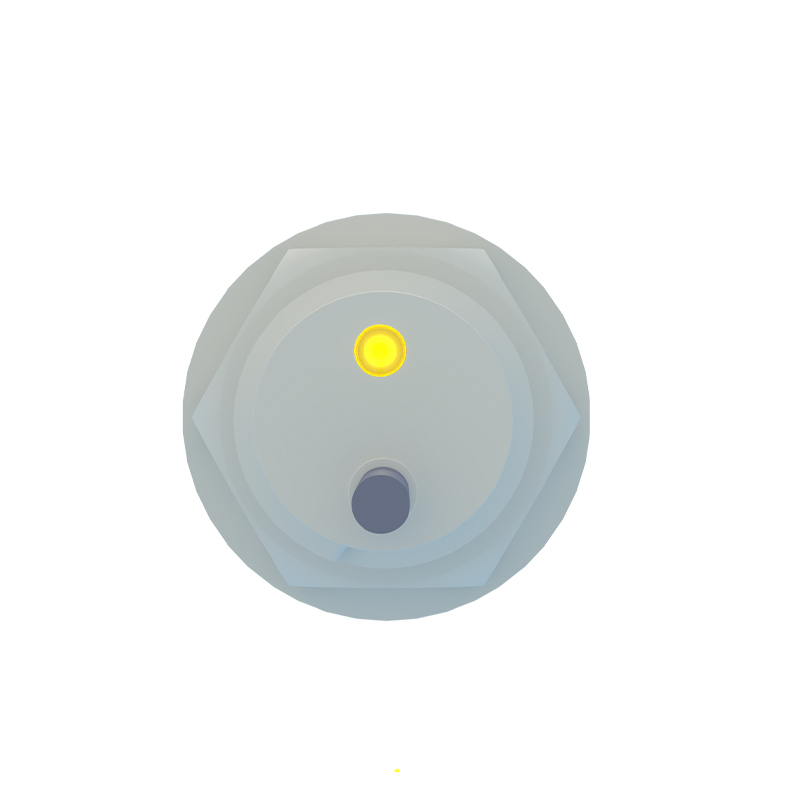
Following closely is Omron Corporation, a Japanese powerhouse with a vast portfolio. Omron’s proximity sensors are celebrated for their reliability and miniaturization. Their E2E series inductive sensors and E3Z photoelectric sensors provide robust performance with easy integration. Omron excels in providing comprehensive technical documentation and global distributor networks, solidifying its position across diverse sectors from electronics to food processing.
Pepperl+Fuchs holds a formidable reputation, particularly in hazardous areas. Specializing in intrinsic safety and explosion-proof sensors, this German brand is indispensable in oil, gas, and chemical industries. Their innovative designs, such as factor-1 cylindrical sensors, offer superior immunity to interference. Pepperl+Fuchs emphasizes customization, catering to specific client needs with unparalleled engineering support.
Balluff GmbH is another top contender, recognized for its innovation in RFID and sensor systems. Balluff’s proximity sensors integrate seamlessly with Industry 4.0 frameworks, offering smart sensor capabilities with real-time data exchange. Their modular design and extensive range, including inductive, capacitive, and ultrasonic sensors, provide flexible solutions for material handling and robotic applications.
Rockwell Automation (Allen-Bradley) dominates the North American market. Known for robust construction and seamless integration with Rockwell’s control systems, their sensors ensure optimal performance in heavy-duty manufacturing. The Allen-Bradley 871TM series, for instance, offers high switching frequencies and temperature resilience, making them ideal for automotive and metalworking plants.
IFM Electronic stands out for user-friendly design and diagnostic features. IFM’s sensors often incorporate LED indicators and quick-disconnect cables, simplifying installation and maintenance. Their product line covers all major sensing principles, with a strong focus on predictive maintenance solutions through IIoT connectivity, appealing to industries prioritizing operational efficiency.
Turck excels in offering highly ruggedized sensors for extreme conditions. With IP67 and IP69K ratings, Turck’s proximity sensors withstand high pressure, temperature fluctuations, and chemical exposure. Their multiprotocol compatibility (e.g., PROFINET, EtherNet/IP) makes them versatile for modern networked factories, particularly in automotive and agricultural machinery.
Emerging trends highlight the growing importance of smart sensors with embedded intelligence. Brands like Sick and Balluff are pioneering sensors with self-monitoring and adaptive calibration, reducing downtime. Additionally, the shift towards miniaturization without compromising performance is led by Omron and IFM, enabling compact machine designs.
When selecting a proximity sensor brand, engineers must consider application-specific requirements: environmental conditions, required sensing distance, output type, and connectivity needs. While established brands offer proven reliability, evaluating total cost of ownership—including maintenance and integration ease—is crucial.
In conclusion, the proximity sensor market is driven by innovation and reliability. Sick, Omron, and Pepperl+Fuchs lead through technological excellence and specialized solutions. Balluff and Rockwell Automation excel in integration and ruggedness, while IFM and Turck offer practical, durable options. As Industry 4.0 advances, these brands continue to evolve, shaping the future of automated sensing with smarter, more connected devices. Investing in a top-tier brand ensures enhanced productivity and long-term operational success in any industrial setting.