In the rapidly evolving landscape of industrial automation and consumer electronics, proximity light sensors have become indispensable components. Among these, 6x proximity light sensors represent a significant leap forward in sensing technology, offering enhanced performance, reliability, and versatility. This article delves into the technical aspects, applications, and benefits of 6x proximity light sensors, providing insights for engineers and industry professionals.
Proximity light sensors are devices that detect the presence or absence of an object within a specific range without physical contact. They operate by emitting infrared (IR) light and measuring the reflection or interruption of that light. The "6x" designation typically refers to a configuration or series that incorporates six sensing elements or channels, allowing for multi-point detection and improved accuracy. This design is particularly advantageous in complex environments where single-point sensors may fall short.
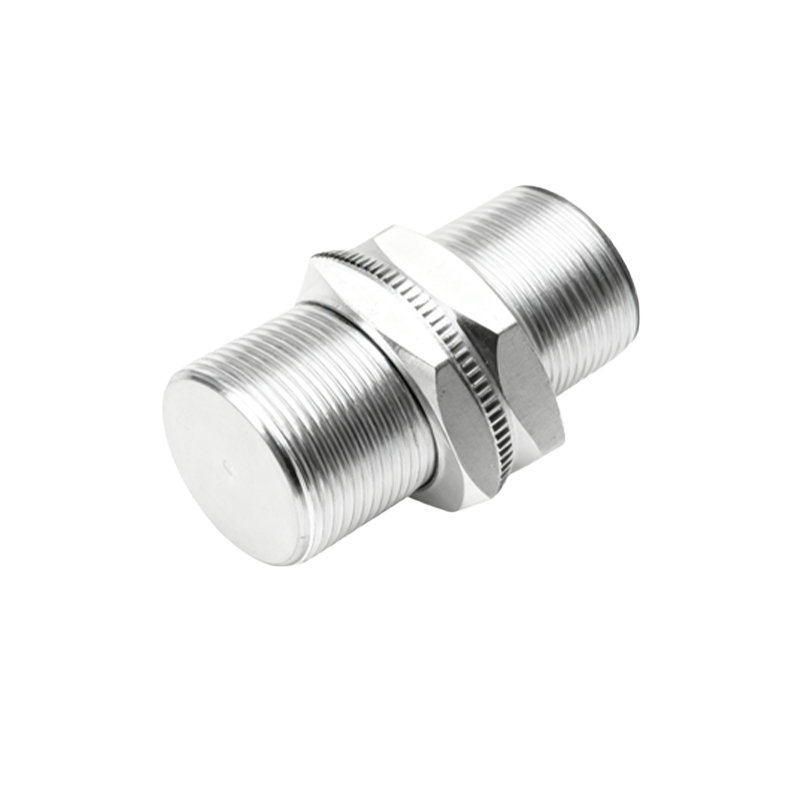
The core technology behind 6x proximity light sensors involves advanced photodiodes and IR LEDs. These components work in tandem to emit light and capture reflections with high precision. Modern sensors often integrate digital signal processing (DSP) algorithms to filter out ambient light interference, ensuring stable readings even in challenging conditions. Key parameters include sensing distance, response time, and power consumption. For instance, 6x sensors can typically detect objects from a few millimeters up to several centimeters, with response times in the microsecond range, making them suitable for high-speed applications.
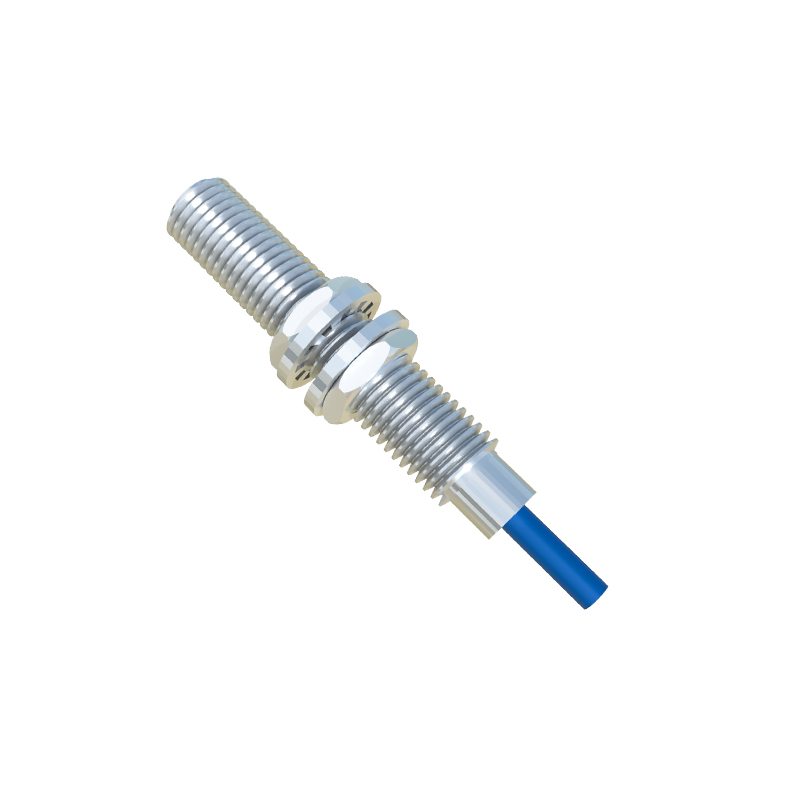
One of the primary advantages of 6x proximity light sensors is their ability to perform multi-zone detection. By utilizing six independent channels, these sensors can monitor multiple points simultaneously, reducing the need for additional hardware. This feature is crucial in applications like automated assembly lines, where detecting the position of components in real-time is essential for efficiency. Moreover, the redundancy offered by multiple channels enhances system reliability; if one channel fails, others can compensate, minimizing downtime.
In terms of applications, 6x proximity light sensors are widely used across various industries. In automotive systems, they contribute to safety features such as automatic braking and parking assistance by detecting obstacles around vehicles. In consumer electronics, they enable touchless interfaces in smartphones and tablets, improving user experience and hygiene. Industrial automation relies on these sensors for precise object counting, material handling, and robotic guidance. Additionally, they play a role in smart home devices, healthcare equipment, and agricultural machinery, showcasing their adaptability.
When selecting a 6x proximity light sensor, engineers must consider factors like environmental conditions, power requirements, and integration capabilities. Many models offer configurable settings via I2C or SPI interfaces, allowing for customization based on specific needs. It's also important to evaluate the sensor's immunity to external factors such as temperature fluctuations, dust, and moisture. Leading manufacturers provide datasheets with detailed specifications, including operating voltage, output types, and package dimensions, to aid in the selection process.
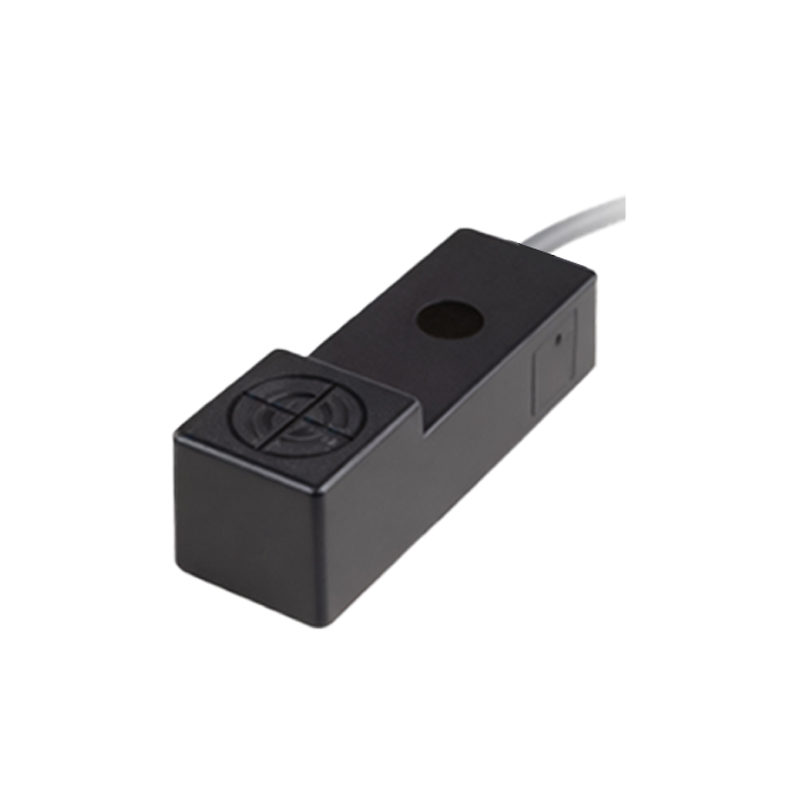
Looking ahead, the future of 6x proximity light sensors is promising, with trends pointing toward miniaturization, lower power consumption, and enhanced intelligence. Integration with artificial intelligence (AI) and the Internet of Things (IoT) is expected to unlock new possibilities, such as predictive maintenance and adaptive control systems. As technology advances, these sensors will likely become even more integral to smart infrastructure and Industry 4.0 initiatives.
In conclusion, 6x proximity light sensors offer a robust solution for modern sensing challenges. Their multi-channel design, combined with advanced optics and electronics, makes them a valuable asset in diverse fields. By understanding their technical features and applications, professionals can leverage these sensors to drive innovation and efficiency in their projects. Whether in manufacturing, automotive, or consumer tech, 6x proximity light sensors are poised to shape the future of automation and interaction.