In the relentless environment of modern industry, where machinery is exposed to moisture, chemicals, extreme temperatures, and physical impact, the reliability of sensing technology is paramount. Standard proximity sensors often falter under such duress, leading to unplanned downtime, costly maintenance, and compromised safety. This is where corrosion-resistant, high-protection proximity sensors become not just an option, but a critical necessity. Engineered for endurance, these specialized sensors are designed to deliver unwavering performance in the harshest conditions, from food and beverage processing and chemical plants to offshore platforms and wastewater treatment facilities.
The core of a high-protection proximity sensor lies in its robust construction. Typically housed in stainless steel casings—often grades like 316L or 304 for superior corrosion resistance—the sensor body is the first line of defense. This metallic shell is frequently combined with high-grade, chemically inert sealing materials such as PTFE (Teflon) or specialized fluoropolymers. The most critical standard defining this protection is the Ingress Protection (IP) rating, particularly IP67, IP68, and IP69K. An IP67 rating guarantees protection against dust ingress and temporary immersion in water. IP68 offers protection against continuous submersion under specified conditions. IP69K, the highest common standard, signifies protection against high-pressure, high-temperature water jets, making it ideal for washdown environments in pharmaceutical or food production where rigorous cleaning with caustic agents is routine.
Beyond the IP code, other protection standards are crucial. NEMA ratings (like NEMA 4X) are widely recognized in North America for enclosures that guard against water, dust, and corrosion. For sensors exposed to explosive atmospheres, certifications like ATEX (Europe) and IECEx (International) are mandatory, ensuring the device will not ignite surrounding gases or dust. The sensor's face, or sensing surface, is equally vital. A thick, flush-mounted housing or a face made of PPS (polyphenylene sulfide) or PEEK (polyether ether ketone) plastic provides exceptional resistance to abrasion, mechanical shock, and aggressive chemicals that could degrade a standard sensor.
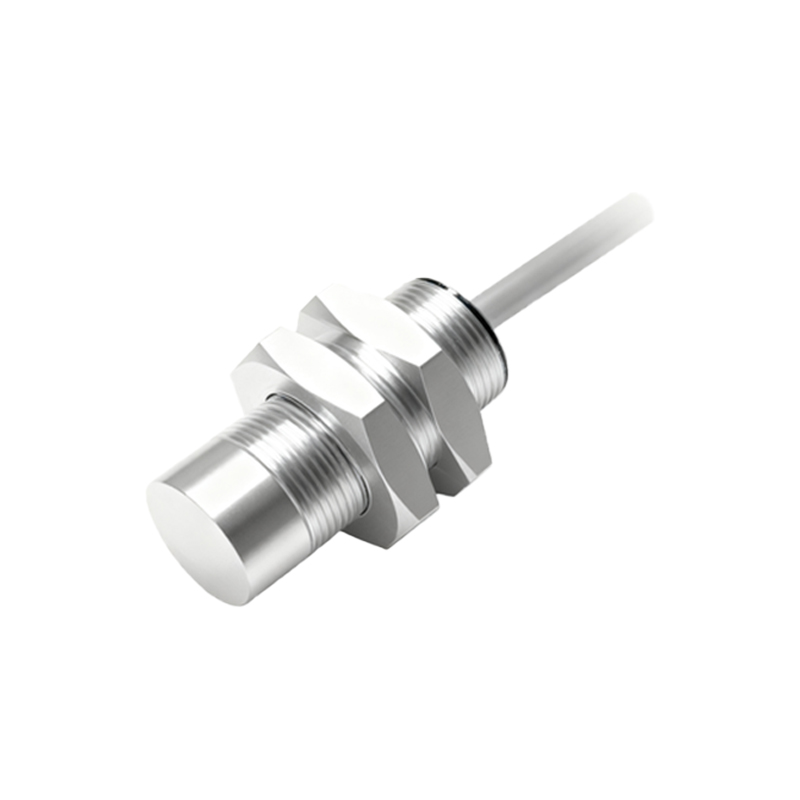
The technological heart within this fortress is equally advanced. Inductive, capacitive, and magnetic sensing principles are employed, chosen based on the target material. Inductive sensors, detecting metals, are most common. Modern variants feature welded housings and vacuum-potted electronics, where the internal circuitry is completely encapsulated in a resin compound. This potting process eliminates air pockets, prevents condensation internally, and provides superb resistance to vibration and thermal cycling. Advanced models incorporate ASIC (Application-Specific Integrated Circuit) technology, which reduces component count, enhances reliability, and allows for sophisticated functions like temperature compensation and short-circuit protection directly on the chip.
The benefits of deploying these ruggedized sensors are substantial and directly impact the bottom line. The most significant advantage is dramatically increased Mean Time Between Failures (MTBF). By resisting corrosion from salty air, acidic fumes, or alkaline cleaners, and by withstanding high-pressure washdowns, these sensors drastically reduce unplanned stoppages. This translates to higher overall equipment effectiveness (OEE) and lower total cost of ownership, as replacement and maintenance intervals are extended significantly. Furthermore, they ensure process consistency and product quality in sensitive industries; a failed sensor in a bottling line or chemical dosing system can lead to massive waste or out-of-spec products.
Selecting the right sensor requires a meticulous analysis of the application's environmental profile. Key considerations include: the specific chemical agents present (acids, alkalis, solvents, oils), their concentration and temperature; the need for and method of cleaning (high-pressure steam, foam, sanitizers); the presence of physical impacts or abrasive materials; and the required sensing distance and target material. Consulting with a specialist engineer or the sensor manufacturer's technical team is highly recommended to match the sensor's material composition, sealing technology, and protection ratings precisely to the operational challenge.
In conclusion, as industrial processes become more automated and environments more challenging, the demand for intelligent, resilient components grows. Corrosion-resistant high-protection proximity sensors represent a fusion of advanced materials science, precision engineering, and electronic innovation. They are no longer peripheral accessories but foundational elements for building reliable, efficient, and safe industrial systems. Investing in this level of sensor protection is a strategic decision that safeguards productivity, ensures operational continuity, and provides a definitive return on investment through sustained, trouble-free performance in the face of adversity.