In the demanding world of industrial automation and control, the choice of sensor material is not merely a matter of specification—it is a critical decision impacting reliability, longevity, and total cost of ownership. Among the various options, stainless steel proximity sensors have emerged as a premier solution for challenging environments. This article delves into the characteristics, advantages, and practical considerations of employing stainless steel in proximity sensing technology.
Stainless steel, primarily grades like 303, 304, and the more corrosion-resistant 316, is an alloy known for its excellent resistance to oxidation and corrosion. This inherent property is the cornerstone of its value in sensor construction. Unlike standard nickel-plated brass or plastic housings, a stainless steel body provides a robust first line of defense against moisture, chemicals, coolants, and saline atmospheres. This makes these sensors indispensable in industries such as food and beverage processing, pharmaceutical manufacturing, chemical plants, and marine applications, where washdowns with high-pressure, high-temperature cleaning agents are routine. The sensor's integrity remains uncompromised, preventing failures that could lead to costly production downtime.
The performance of a proximity sensor is defined by its sensing characteristics—operating distance, repeat accuracy, and switching frequency. The use of stainless steel does not inherently alter the electromagnetic field generated by an inductive proximity sensor's coil. However, the design and manufacturing process must account for the material's properties. High-quality stainless steel sensors feature a face or sensing area made from a specific grade that allows the magnetic field to pass through with minimal attenuation. This "non-ferritic" or austenitic structure is crucial. If the wrong grade is used at the sensing face, it can shield the field, drastically reducing the nominal sensing distance. Reputable manufacturers engineer this interface precisely, often embedding the coil in a resin compound behind a thin, optimized stainless steel front wall to ensure published sensing ranges are achieved.
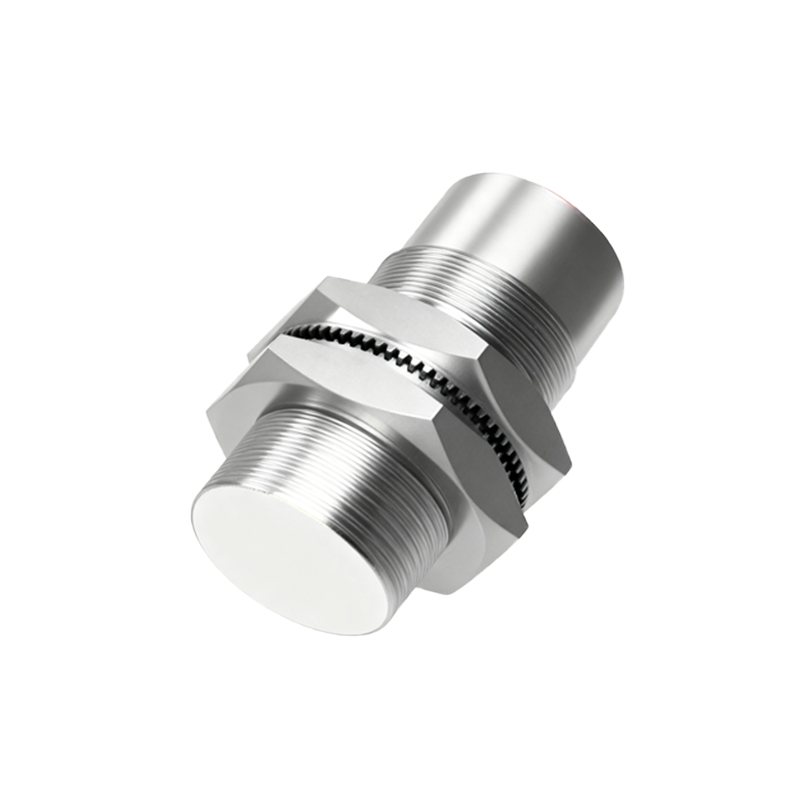
Beyond corrosion resistance, mechanical robustness is a key advantage. Stainless steel housings offer superior resistance to physical impact, abrasion, and vibration compared to many alternative materials. This durability is vital in heavy machinery, material handling (e.g., conveyor systems), and automotive assembly lines where sensors are exposed to mechanical stress. Furthermore, the material maintains its properties across a wide temperature range, ensuring stable operation in both cold storage facilities and near hot machinery.
When selecting a stainless steel proximity sensor, several factors must be evaluated. First is the IP (Ingress Protection) rating. For harsh environments, a rating of IP67 (protection against temporary immersion) or IP69K (protection against high-pressure, high-temperature jet cleaning) is often specified, and stainless steel construction is typically integral to achieving these high ratings. Second, consider the sensing technology. While inductive sensors (detecting metals) are most common in stainless steel housings, capacitive versions (detecting liquids, plastics, etc.) with stainless steel bodies are also available for non-metallic target applications in corrosive settings. Third, the output configuration (PNP/NPN, NO/NC), connection type (pre-wired, quick-disconnect), and form factor (barrel-style, rectangular) must align with the control system and mounting constraints.
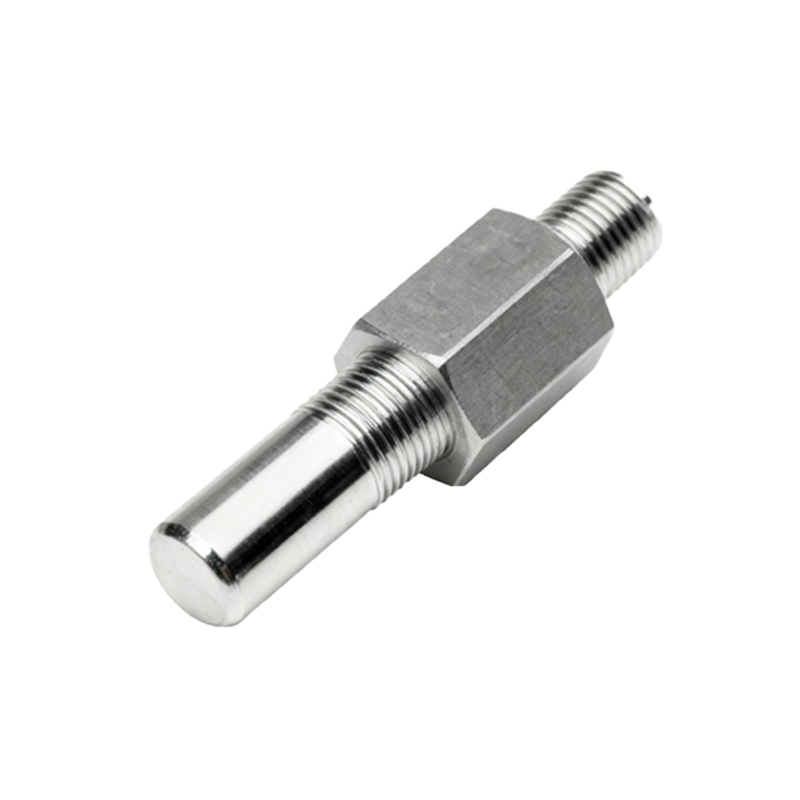
It is also important to acknowledge potential limitations. Stainless steel sensors generally come at a higher initial cost than their standard counterparts. This premium, however, is justified by their extended service life and reduced replacement frequency in aggressive environments, leading to a lower total cost of ownership. Additionally, in applications involving extremely aggressive chemicals or high chloride concentrations, specifying the correct grade (e.g., 316L) is essential to avoid pitting corrosion.
In conclusion, stainless steel proximity sensors represent a strategic investment for reliability in harsh industrial conditions. They are not a universal replacement for all sensors but are the definitive choice where environmental resilience is paramount. By combining the proven sensing principles of proximity technology with the rugged, inert qualities of stainless steel, these components provide a critical link in maintaining continuous, efficient, and safe automated operations. Engineers and plant managers must assess their specific environmental challenges—be it chemical exposure, washdown procedures, or mechanical wear—to specify the appropriate stainless steel sensor variant, thereby safeguarding productivity and ensuring long-term operational integrity.