In the realm of automation and smart technology, the precise detection of an object's presence or absence within a specific range is fundamental. This critical task is performed by proximity sensors, devices designed to sense the position of a target without any physical contact. Understanding how these sensors determine sensing position is key to leveraging their full potential across countless industries.
At its core, a proximity sensor operates by emitting a field or beam of electromagnetic radiation, such as infrared light, or by creating an electromagnetic field, as in inductive or capacitive models. The sensing position, often referred to as the "sensing point" or "operating point," is the precise distance from the sensor's face at which it reliably detects a standard target. When an object enters this predefined zone, it interacts with the sensor's field. This interaction—be it reflecting light, disturbing an electromagnetic field, or changing capacitance—is detected and converted into an electrical signal that switches state, indicating the object's presence.
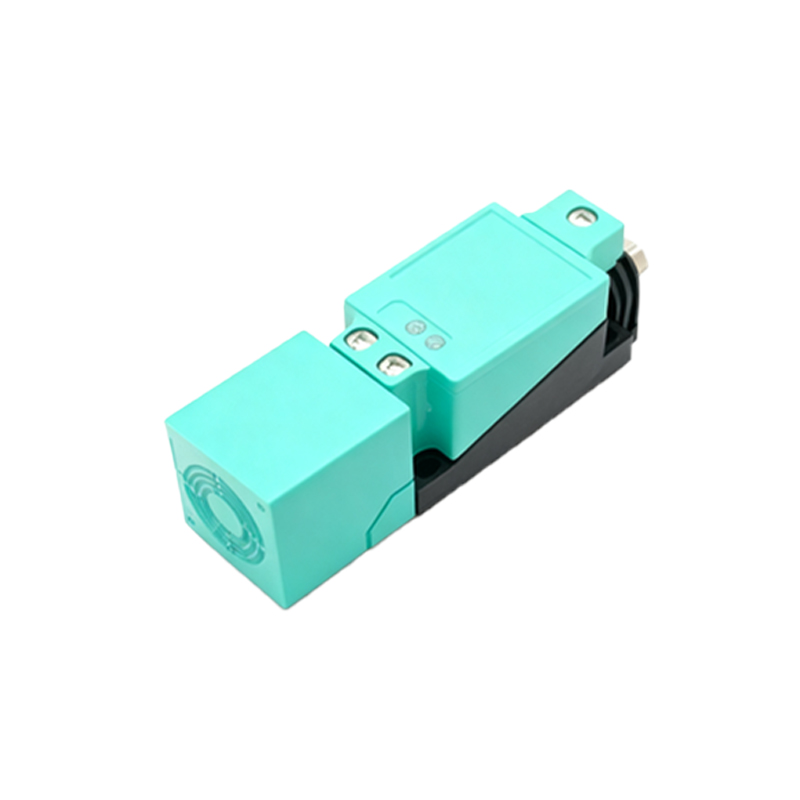
The determination of this sensing position is not arbitrary; it is defined by the sensor's specifications, primarily the "rated sensing distance (Sn)." This is the nominal operating distance under standard conditions with a prescribed standard target. For instance, an inductive sensor might have an Sn of 5mm for a mild steel square of a specific size. It's crucial to note that the actual, reliable sensing distance in practice is often less than Sn due to factors like temperature, voltage fluctuations, and target material composition. Therefore, engineers typically apply a safety factor, using only 70-80% of the rated distance for dependable operation.
Different sensor technologies define and achieve this sensing position in distinct ways. Inductive proximity sensors generate an oscillating electromagnetic field. When a conductive metal target enters this field, eddy currents are induced on the target's surface, which dampens the sensor's oscillation. The circuit detects this damping, and at the precise sensing position, triggers an output switch. The sensing position is highly consistent for ferrous metals but varies for different non-ferrous metals like aluminum or copper.
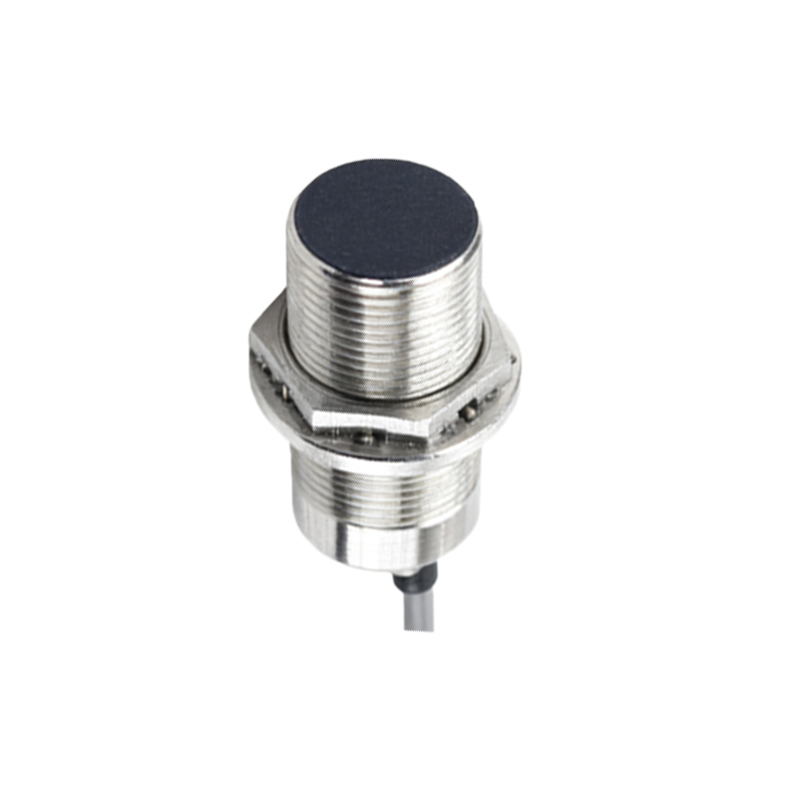
Capacitive proximity sensors, on the other hand, create an electrostatic field. Any object with a dielectric constant different from air (including metals, liquids, plastics, or wood) entering this field changes the sensor's capacitance. Once this change reaches a threshold at the sensing position, the sensor activates. The sensing position for capacitive sensors can be influenced by the target's material and size.
Photoelectric sensors, using modulated light beams, detect the presence of an object by either the interruption of a beam (through-beam), the reflection from the object (diffuse reflective), or the reflection from a dedicated reflector (retro-reflective). The sensing position for diffuse sensors is the point where enough light is reflected back to the receiver, which depends heavily on the target's color, surface texture, and size. A white object will be detected at a greater distance than a black one.
Ultrasonic sensors calculate distance by measuring the time-of-flight of a sound wave. Their sensing position is a programmable distance threshold within their range. They are less affected by target color or material but can be influenced by the target's angle and soft, sound-absorbing surfaces.
Calibration and installation are paramount for accurate sensing position. Sensors must be mounted securely to prevent vibration or drift from altering the critical gap. Environmental factors like dust, moisture, or extreme temperatures can attenuate signals or cause false triggers, effectively shifting the operational sensing position. Regular maintenance checks ensure the sensing point remains stable over time. Furthermore, the choice of the target itself—its material, size, and approach angle—must align with the sensor's specifications for repeatable detection at the intended position.
The applications are as diverse as the technologies. On a high-speed assembly line, an inductive sensor precisely detects the position of a metal component to trigger a robotic welder. In a smartphone, a capacitive or infrared proximity sensor senses the position of the user's ear during a call to disable the touchscreen. In automotive systems, ultrasonic sensors monitor the position of obstacles during parking. In food packaging, a photoelectric sensor verifies the correct position of a label on a bottle. Each application demands a careful selection of sensor type based on the required sensing position, target material, environmental robustness, and response speed.
In conclusion, the sensing position of a proximity sensor is a carefully engineered parameter that balances theoretical design with practical application. It represents the invisible line where detection occurs, enabling the seamless, reliable, and contactless operation that modern automated systems depend on. By comprehending the principles behind this key characteristic, technicians and engineers can select, install, and maintain these vital components to ensure optimal performance and reliability in any system.