In the realm of industrial automation, automotive systems, and consumer electronics, proximity sensors play a pivotal role in detecting the presence or absence of objects without physical contact. Their performance, however, is highly sensitive to environmental conditions, particularly temperature fluctuations. Constant temperature testing, therefore, emerges as a critical procedure to validate sensor reliability, accuracy, and longevity under controlled thermal stress. This process is not merely a quality check but a fundamental step in product development and certification.
The core principle of proximity sensing—whether based on inductive, capacitive, ultrasonic, or optical technologies—involves generating a field or beam and detecting changes caused by a target object. Temperature variations can significantly alter the properties of electronic components, such as the inductance in coils, the dielectric constant in capacitors, or the emission wavelength of LEDs. These alterations can lead to signal drift, reduced sensing range, false triggers, or complete operational failure. For instance, an inductive sensor might experience a shift in its switching point, while an optical sensor could see its light intensity diminish in extreme cold or overheat in high temperatures. Consequently, testing these sensors across a defined temperature spectrum is non-negotiable for applications demanding high precision, such as in automotive braking systems, pharmaceutical packaging lines, or outdoor security installations.
Constant temperature testing involves subjecting proximity sensors to a stabilized thermal environment within a climate chamber for a sustained period. The test protocol typically follows international standards like IEC 60068-2-1 (cold tests) and IEC 60068-2-2 (dry heat tests), or industry-specific norms. The procedure is methodical. First, sensors are placed in a thermal chamber and conditioned at a specified ambient temperature, often room temperature (e.g., 25°C). The chamber then ramps to a target temperature—be it a high extreme like +85°C or a low extreme like -40°C—and maintains that temperature with minimal deviation (e.g., ±2°C) for a dwell time, which could range from several hours to days depending on the test criteria. During this soak period, the sensors are powered and actively monitored. Key parameters are measured: the actual sensing distance, repeatability of switching, response time, and output signal stability. After the dwell, the chamber returns to the initial ambient condition, and recovery tests are conducted to check for permanent damage or hysteresis.
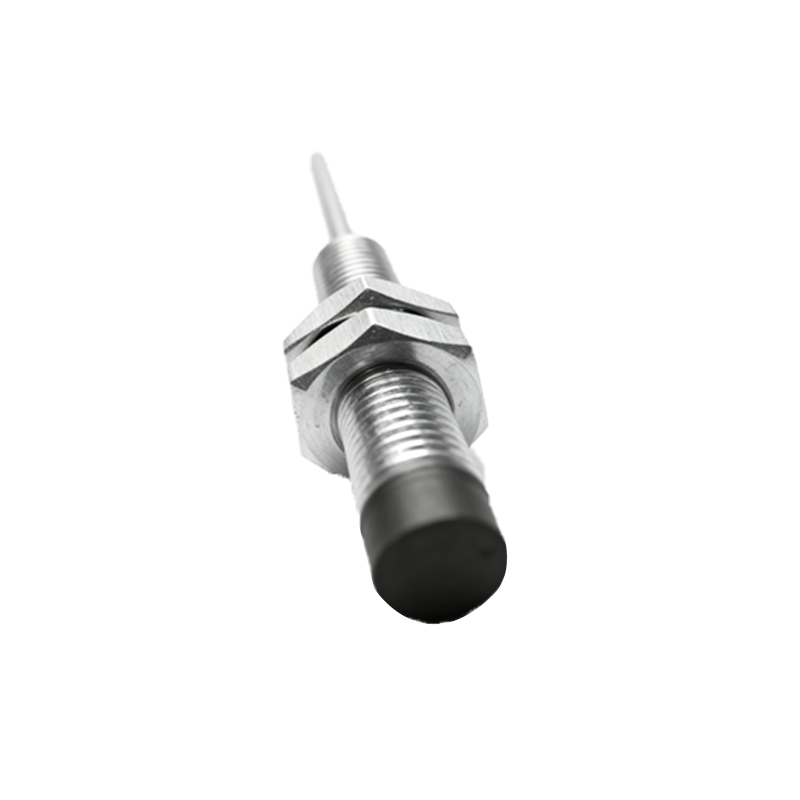
The benefits of rigorous constant temperature testing are manifold. Primarily, it uncovers design weaknesses or component tolerances that might not be apparent at room temperature. Engineers can identify thermal drift coefficients and calibrate sensors accordingly, often embedding temperature compensation algorithms in the sensor's circuitry or software. This enhances the product's operational range and ensures consistent performance from the frozen food warehouse to the engine compartment of a vehicle. For manufacturers, it reduces field failure rates, warranty claims, and reinforces brand reputation for durability. For end-users, particularly in critical industries, it translates to enhanced system safety, reduced downtime, and lower total cost of ownership.
Implementing an effective test regimen requires careful planning. Selection of the temperature range must reflect the sensor's intended application and geographic market. The rate of temperature change (ramp rate) should be controlled to avoid thermal shock that could induce mechanical stress on solder joints or housings. Furthermore, testing should not be limited to a single high or low point but should include thermal cycling tests, where the sensor is repeatedly transitioned between extremes to simulate real-world daily or seasonal cycles and assess fatigue life.
In conclusion, proximity sensor constant temperature testing is an indispensable engineering practice. It bridges the gap between theoretical design and real-world deployment, ensuring that these non-contact workhorses perform faithfully regardless of environmental thermal challenges. As industries push towards smarter factories and more autonomous systems, the demand for sensors that are not only intelligent but also inherently robust will only intensify. A commitment to comprehensive thermal validation is, therefore, a direct investment in product excellence and market confidence.