In the evolving landscape of industrial automation, the integration of proximity sensors directly into amplifier units represents a significant technological advancement. This convergence enhances system reliability, reduces installation complexity, and improves real-time responsiveness in critical applications. Proximity sensors, known for their non-contact detection capabilities, are essential components in modern machinery, detecting the presence or absence of objects without physical interaction. Traditionally, these sensors and signal amplifiers were separate entities, connected via wiring that could introduce noise, signal degradation, and points of failure. By embedding the sensor within the amplifier housing, manufacturers create a unified, compact device that streamlines both design and operation.
The core advantage lies in the seamless signal processing. When a proximity sensor detects an object—be it metallic, plastic, or liquid—it generates a weak electrical signal. In integrated systems, this signal is immediately amplified and conditioned within the same unit, minimizing latency and electromagnetic interference. This is particularly vital in high-speed production lines, such as those in automotive manufacturing or packaging, where millisecond delays can impact throughput and quality. For instance, in robotic assembly, an integrated sensor-amplifier can precisely detect component positioning, allowing for immediate adjustments without waiting for external amplifier feedback.
Furthermore, this integration supports advanced diagnostics and connectivity. Modern amplifiers with built-in sensors often feature digital interfaces like IO-Link, enabling detailed monitoring of sensor health, temperature fluctuations, and detection ranges. Predictive maintenance becomes more straightforward, as the system can alert operators to potential issues before they cause downtime. The reduction in external wiring also lowers installation costs and simplifies cabinet layouts, contributing to cleaner, more organized industrial environments.
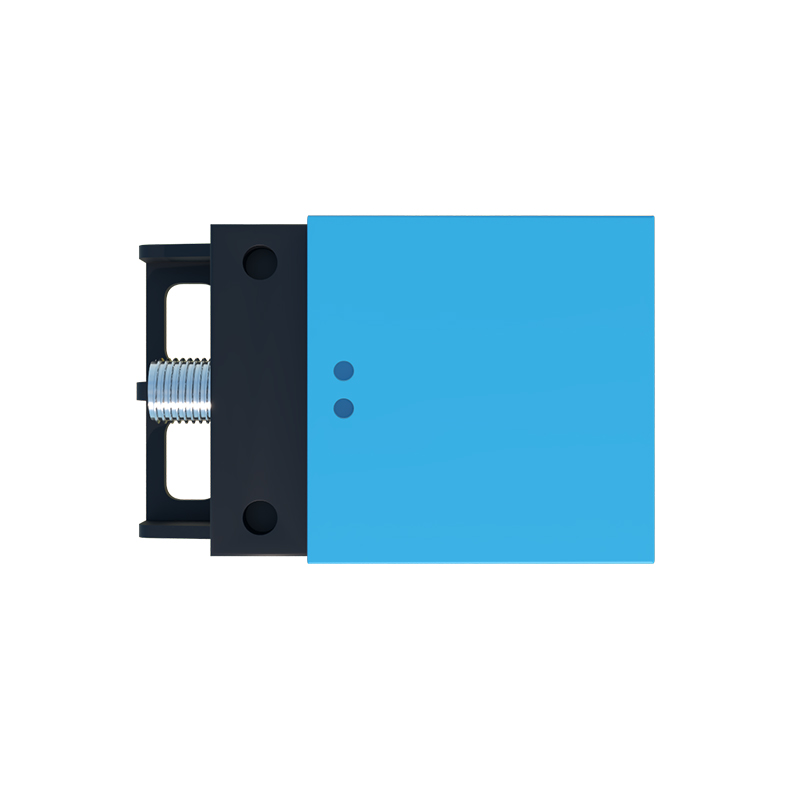
From an engineering perspective, selecting the right integrated unit depends on application-specific factors. Inductive proximity sensors are ideal for detecting metals, while capacitive variants handle non-metallic materials. Amplifiers must match the sensor’s output type—whether analog (for distance proportionality) or digital (for on/off signals). Environmental conditions, such as temperature extremes or exposure to chemicals, also dictate housing ratings like IP67 for dust and water resistance. In harsh settings like steel mills or food processing plants, robust integrated designs ensure longevity and consistent performance.
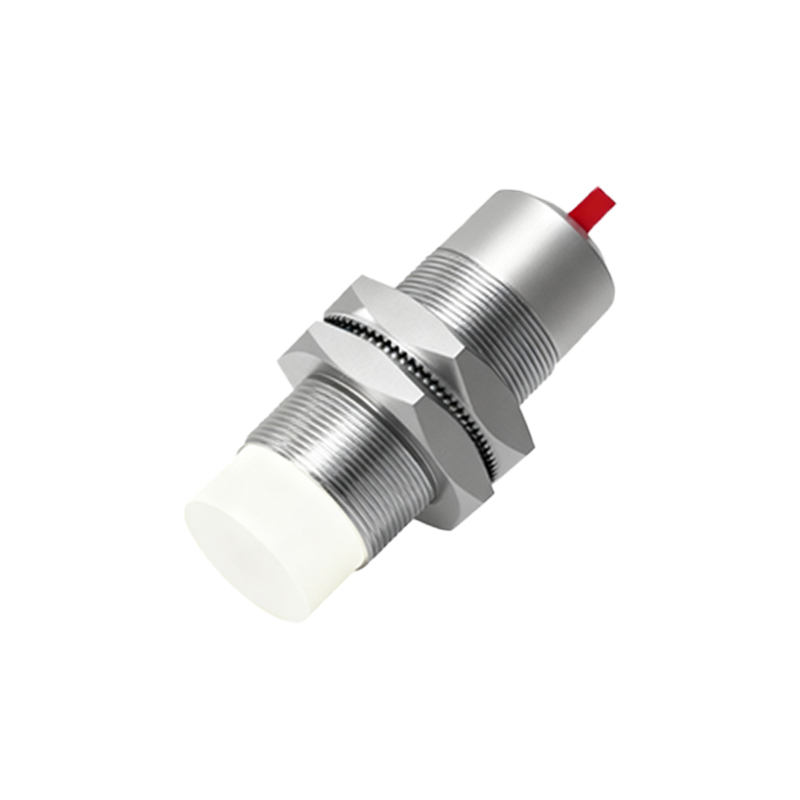
Despite the benefits, challenges exist. Integrated devices may have higher upfront costs compared to discrete components, and replacement requires swapping the entire unit. However, the long-term savings in maintenance and improved efficiency often justify the investment. As Industry 4.0 drives demand for smarter, interconnected systems, the trend toward sensor-amplifier integration is expected to grow, fostering innovations in miniaturization and energy efficiency.
In summary, amplifiers with embedded proximity sensors offer a compelling solution for enhancing precision and reliability in automation. By reducing signal path lengths and enabling real-time data exchange, they empower industries to achieve higher levels of operational excellence. Engineers and system integrators should evaluate these integrated options to optimize performance in their specific contexts, leveraging the synergy between sensing and amplification for future-ready applications.