In industrial automation systems, precise detection and control are paramount for ensuring efficiency, accuracy, and reliability. One common application involves using proximity switches to control color mark sensors, a setup critical in packaging, printing, textile, and food processing industries. This article delves into the principles, integration methods, and best practices for implementing proximity switch control with color mark sensors, tailored for electrical engineers and automation professionals.
A proximity switch, often an inductive or capacitive sensor, detects the presence or absence of an object without physical contact. It operates by generating an electromagnetic field or electrostatic field, triggering a signal when a target enters its sensing range. In contrast, a color mark sensor is an optical device that identifies specific colors or contrasts on materials, typically used for registration, sorting, or quality control. By combining these two components, systems can achieve synchronized operations—for instance, activating a color mark sensor only when a product is in position, thereby reducing false triggers and conserving energy.
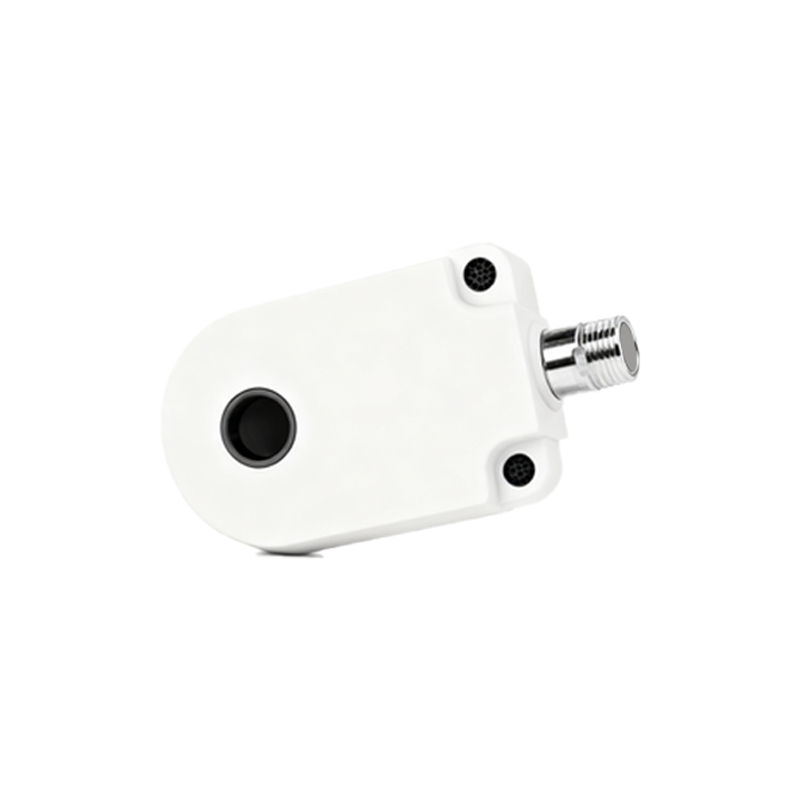
The control mechanism typically involves wiring the proximity switch to the color mark sensor's enable or trigger input. When the proximity switch detects an object, it sends a signal to the color mark sensor, prompting it to scan for the designated color mark. This setup is especially useful in high-speed production lines where timing is crucial. For example, in a labeling machine, a proximity switch can sense the approach of a product, then trigger the color mark sensor to detect the label position, ensuring accurate placement. This reduces waste and minimizes downtime caused by misalignment.
From an engineering perspective, selecting the right components is vital. Proximity switches should be chosen based on factors like sensing distance, material composition of targets, and environmental conditions (e.g., temperature, humidity). Inductive proximity switches are ideal for metallic objects, while capacitive versions can handle non-metallic materials. Color mark sensors must match the application's color resolution, response time, and light source type (e.g., LED or laser). Engineers should also consider the sensor's output type (e.g., NPN or PNP) to ensure compatibility with the control system, such as PLCs (Programmable Logic Controllers) or relays.
Installation and calibration require careful attention. Mount the proximity switch at an optimal distance from the target path to avoid interference from vibration or debris. For the color mark sensor, adjust the sensitivity and threshold settings to distinguish the color mark from background patterns reliably. Testing under real operating conditions is recommended to fine-tune parameters. Additionally, implement shielding and filtering to mitigate electrical noise, which can disrupt signal integrity in industrial environments.
Maintenance practices include regular cleaning of sensor lenses and checking for wear in wiring connections. Diagnostic tools, such as oscilloscopes or multimeters, can help troubleshoot issues like signal delay or false readings. Upgrading to smart sensors with IoT capabilities can enable predictive maintenance, alerting operators to potential failures before they impact production.
In summary, integrating proximity switches with color mark sensors enhances automation precision and efficiency. By understanding the technical nuances and following industry standards, engineers can design robust systems that meet demanding operational needs. This approach not only improves product quality but also supports sustainable manufacturing by optimizing resource use.