Proximity sensors are fundamental components in modern automation, manufacturing, and consumer electronics. Their ability to detect the presence or absence of an object without physical contact is critical for efficiency, safety, and precision. However, the reliability and interoperability of these sensors hinge on a complex framework of detection standards. These standards ensure that sensors from different manufacturers perform predictably in diverse applications, from automotive assembly lines to smartphone touchscreens.
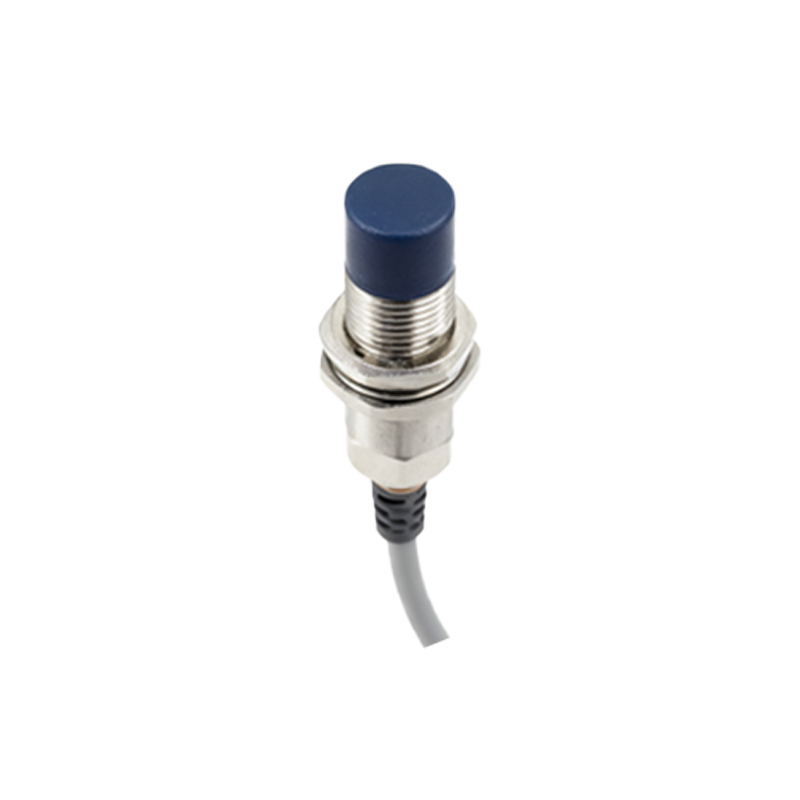
The concept of "detection standard" encompasses several key performance parameters. The most fundamental is the standard sensing distance (Sn). This is the nominal operating distance under specified conditions, typically with a standard target defined by the International Electrotechnical Commission (IEC). For inductive sensors, this target is a square of mild steel (Fe 360) with a side length equal to the sensor's face diameter or three times the rated operating distance, whichever is greater. For capacitive sensors, a grounded metal plate is used. This standardization allows for an apples-to-apples comparison between different sensor models.
Beyond the nominal distance, performance is defined by tolerance and repeatability. The operating distance (Sr) is the range within which the sensor is guaranteed to operate reliably, considering factors like supply voltage and temperature. It is typically 90-110% of the standard sensing distance. Hysteresis (H) is a crucial parameter that prevents output chatter when a target is at the detection boundary. It is the difference between the switch-on point (as the target approaches) and the switch-off point (as it moves away), usually expressed as a percentage of the standard sensing distance. High-quality sensors have well-defined hysteresis to ensure stable switching.
Environmental factors are rigorously standardized. Temperature drift specifications define how much the sensing distance may change across the sensor's operating temperature range, such as -25°C to +70°C for industrial models. Similarly, voltage drift specifications account for performance variations due to fluctuations in the supply voltage, often within a range like 10-30V DC. Reputable standards like those from IEC 60947-5-2 (for low-voltage switchgear and controlgear, proximity sensors) and ISO 13856 (for safety-related parts of control systems) provide the testing methodologies to quantify these drifts.
For safety-critical applications, such as in robotic cells or press brakes, a separate class of standards applies. These functional safety standards, primarily IEC 61496 (Electro-sensitive protective equipment) and ISO 13849, govern sensors used to protect human workers. They define performance levels (PL) and Safety Integrity Levels (SIL) that mandate rigorous design, testing, and diagnostic coverage. A safety-rated laser scanner or light curtain, for instance, must comply with these standards, which include requirements for fault detection, redundancy, and secure output signals.
Electrical output characteristics are also standardized. The output switching current and voltage must align with control system inputs. The switching frequency (how many on/off cycles per second the sensor can handle) is vital for high-speed applications. Protection standards like Ingress Protection (IP) ratings (e.g., IP67) and NEMA ratings define the sensor's resilience to dust and water, ensuring reliable operation in harsh environments.
In specific industries, additional standards come into play. The automotive industry often references ISO/TS 16949 quality management requirements. For food and pharmaceutical applications, sensors may need to comply with FDA or EHEDG guidelines for material safety and cleanability. Electromagnetic compatibility (EMC), governed by standards like IEC 61000, ensures the sensor does not emit disruptive interference and is immune to environmental electromagnetic noise.
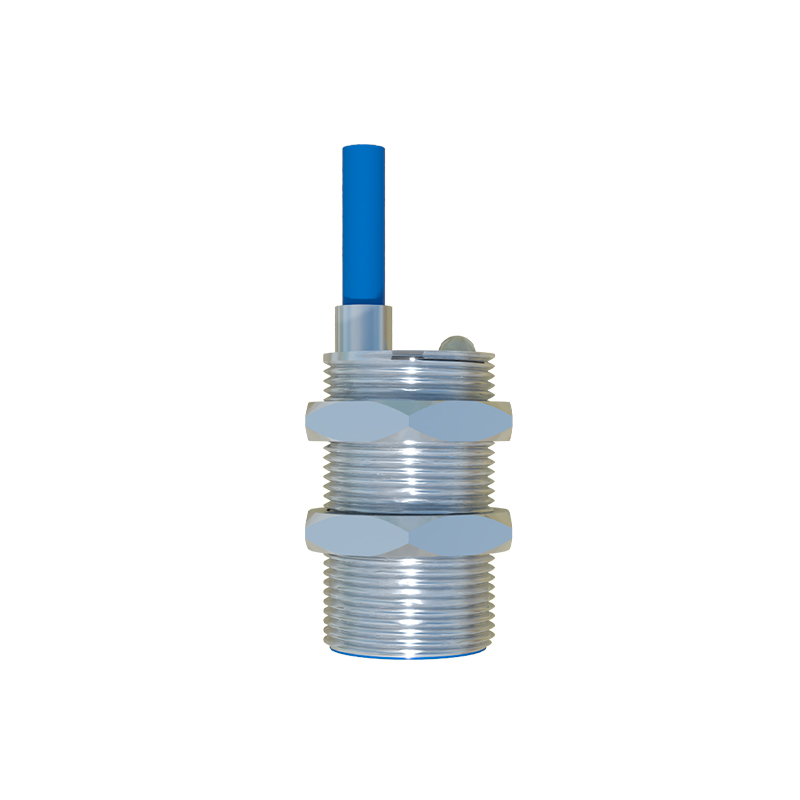
Selecting a proximity sensor requires careful cross-referencing of application needs with these standards. A designer must ask: What is the target material? What are the environmental conditions (temperature, contaminants)? Is functional safety required? What is the required switching speed and electrical interface? The datasheet, when compliant with international standards, provides the answers in a consistent language.
Ultimately, adherence to detection standards is not merely a regulatory hurdle; it is a cornerstone of quality and reliability. It reduces system integration risk, minimizes downtime, and ensures safety. As technology advances with miniaturization, IO-Link digital communication, and enhanced sensing materials, the underlying standards evolve in tandem, providing a stable foundation for innovation in non-contact detection. Engineers and procurement specialists must stay informed of these standards to build robust, future-proof automated systems.