In the realm of industrial automation and control systems, proximity sensors are indispensable components. They are non-contact devices designed to detect the presence or absence of an object within a specified sensing range without any physical contact. This capability makes them ideal for harsh environments, high-speed counting, position verification, and safety applications. The classification of proximity sensors is primarily based on their underlying sensing technology. This article provides a detailed overview of the main types of proximity sensors, their operating principles, typical applications, and key considerations for selection.
The most prevalent category is the Inductive Proximity Sensor. These sensors generate an electromagnetic field using a coiled wire wound around a ferrite core. When a metallic object (typically ferrous metals like steel or iron, though some models detect non-ferrous metals) enters this oscillating field, it induces eddy currents within the object. This causes a change in the oscillation amplitude, which is detected by the sensor's circuitry, triggering a solid-state output signal. Inductive sensors are highly robust, resistant to environmental contaminants like dust, oil, and coolant, and offer excellent repeatability. They are predominantly used for detecting metal objects in machine tools, automotive assembly lines, and material handling systems. Their sensing range is limited and varies based on the target metal's properties and size.
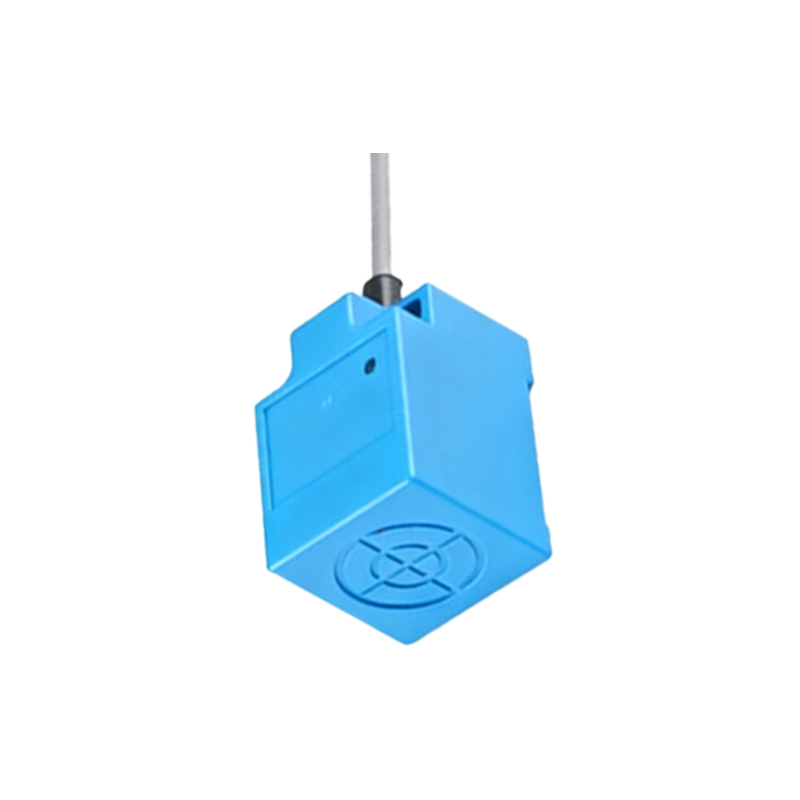
The second major type is the Capacitive Proximity Sensor. These sensors function by generating an electrostatic field. The sensor's active face and the detected object form two plates of a capacitor. When an object (which can be metallic or non-metallic, such as plastic, wood, glass, liquids, or granules) approaches the sensing face, it alters the capacitance of the system. This change is measured, and once it exceeds a preset threshold, the sensor switches its output state. Capacitive sensors can detect through certain non-metallic barriers, making them suitable for level detection of liquids, powders, or bulk materials in tanks and hoppers. They are also used in applications involving non-metallic object detection, such as bottle cap presence verification or paper stack monitoring. However, they can be susceptible to environmental factors like humidity and temperature fluctuations.
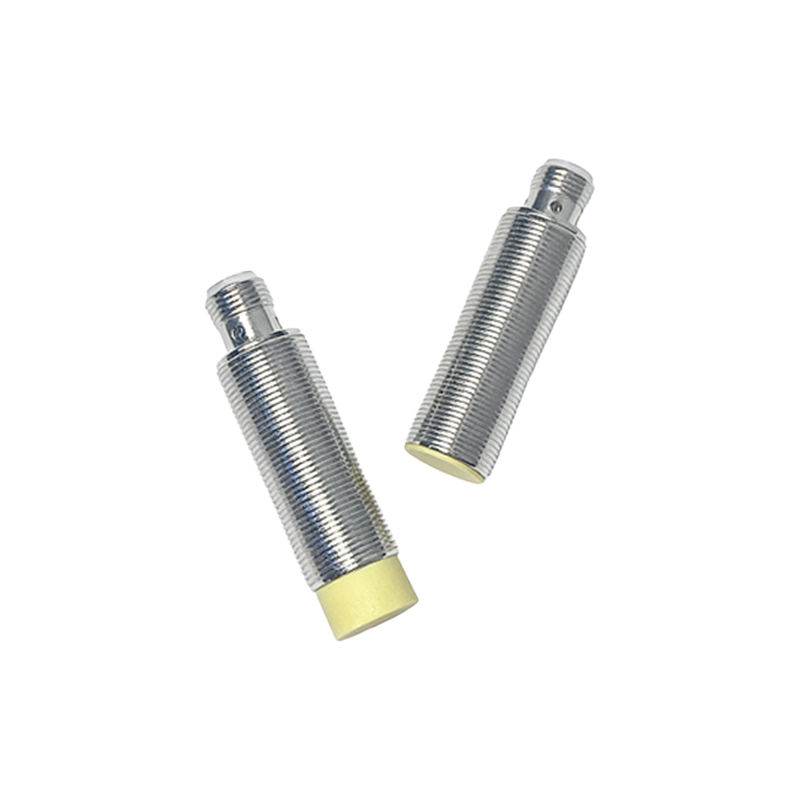
Ultrasonic Proximity Sensors operate on a principle similar to sonar. They emit high-frequency sound waves (typically beyond human hearing) and evaluate the echo reflected from a target object. The time interval between sending the signal and receiving the echo is used to calculate the distance to the object. These sensors can detect virtually any material, regardless of color, transparency, or surface texture, as long as it reflects sound adequately. They are excellent for long-range detection, precise distance measurement, and level sensing of liquids or solids in challenging conditions, including transparent containers or dusty environments. Common applications include pallet detection, loop control, and collision avoidance on automated guided vehicles (AGVs). Performance can be affected by factors like air turbulence, temperature gradients, and highly absorbent surfaces.
Photoelectric Sensors, while sometimes categorized separately, are a crucial form of proximity sensing. They use light beams (visible red, infrared, or laser) to detect objects. The main sub-types relevant for proximity detection are diffuse (reflective), retro-reflective, and through-beam. Diffuse photoelectric sensors are true proximity sensors where the emitter and receiver are housed in a single unit. The sensor detects light reflected directly from the target object. They are versatile for detecting a wide range of materials at moderate ranges but can be influenced by the object's color, reflectivity, and surface angle. They are widely used in packaging, material handling, and assembly automation.
Magnetic Proximity Sensors (often Reed Switches or Hall Effect sensors) detect the presence of a permanent magnet. Reed switches consist of two ferromagnetic reeds sealed in a glass tube. When a magnet approaches, the reeds attract and make contact, closing a circuit. Hall Effect sensors produce a voltage change when exposed to a magnetic field. These sensors are extremely reliable for detecting the position of cylinders with embedded magnets (piston position in pneumatic cylinders), in door/window security systems, and in low-speed rotational sensing. They are immune to non-magnetic contaminants and are often used in clean or explosive environments due to their sealed, spark-free operation.
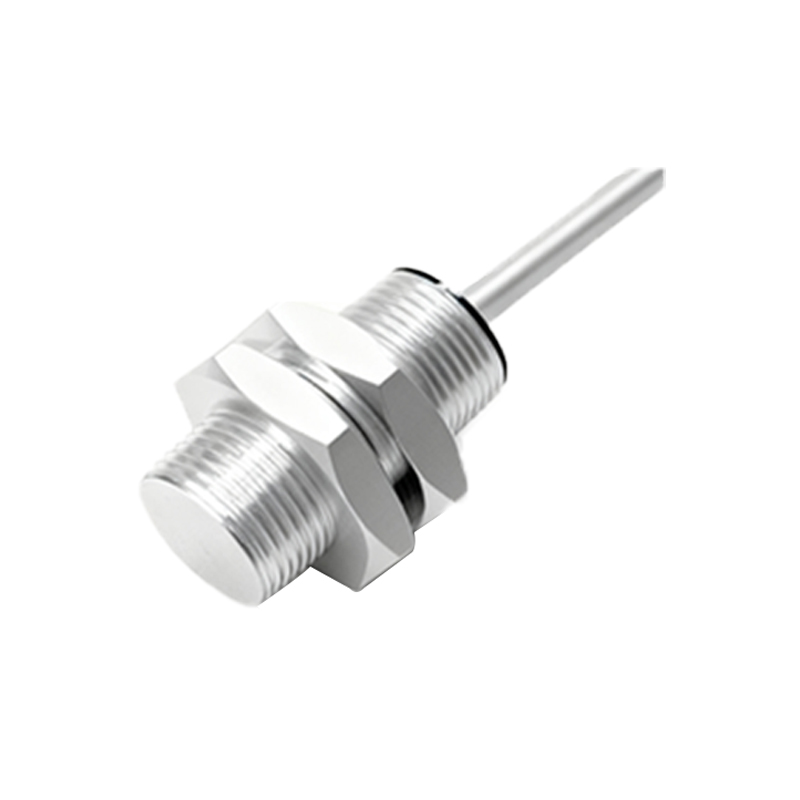
Choosing the right proximity sensor requires careful analysis of the application parameters: target material, required sensing distance, environmental conditions (IP rating, temperature, pressure), output type (PNP/NPN, analog, IO-Link), switching frequency, and mounting constraints. Inductive sensors are the workhorses for metal detection. Capacitive sensors handle diverse materials including non-metallics. Ultrasonic sensors excel at longer ranges and difficult materials. Photoelectric sensors offer flexibility and precision for many non-contact tasks. Magnetic sensors provide simple, reliable detection of magnetic fields.
Understanding these fundamental classifications empowers engineers and technicians to specify the optimal sensor, thereby enhancing