In the industrial automation and control landscape, metal sensing proximity sensors are indispensable components. Their pricing, however, is not a simple figure but a complex reflection of technology, performance, and market dynamics. For engineers, procurement specialists, and system integrators, a deep understanding of the factors influencing sensor cost is crucial for making informed, value-driven purchasing decisions.
The core technology behind the sensor is a primary cost driver. Inductive proximity sensors, the most common type for metal detection, operate on the principle of electromagnetic induction. The sophistication of the oscillator circuit, coil design, and the integrated chip that handles signal conditioning and switching directly impacts the price. More advanced models featuring embedded microprocessors for intelligent functions like diagnostics, temperature compensation, or IO-Link communication command a significant premium over basic, standalone switching units. Furthermore, sensors utilizing high-frequency oscillation can detect all metals, including non-ferrous ones like aluminum and copper, but their circuitry is typically more complex and costly than standard models optimized primarily for ferrous metals.
Performance specifications are intrinsically tied to cost. The sensing range, or nominal operating distance (Sn), is a key metric. A sensor with a 15mm range will generally be less expensive than an identical model with a 30mm range, as the latter requires more precise engineering and potentially more robust components to generate and manage a larger electromagnetic field. Switching frequency, which defines how quickly the sensor can detect objects in rapid succession, is another factor. High-speed sensors designed for fast-moving production lines necessitate superior electronic components, increasing the price. Other critical specs influencing cost include repeat accuracy, temperature rating (industrial-grade vs. high-temperature variants), housing material (stainless steel vs. nickel-plated brass or PBT plastic), and the degree of ingress protection (IP67, IP68, IP69K).
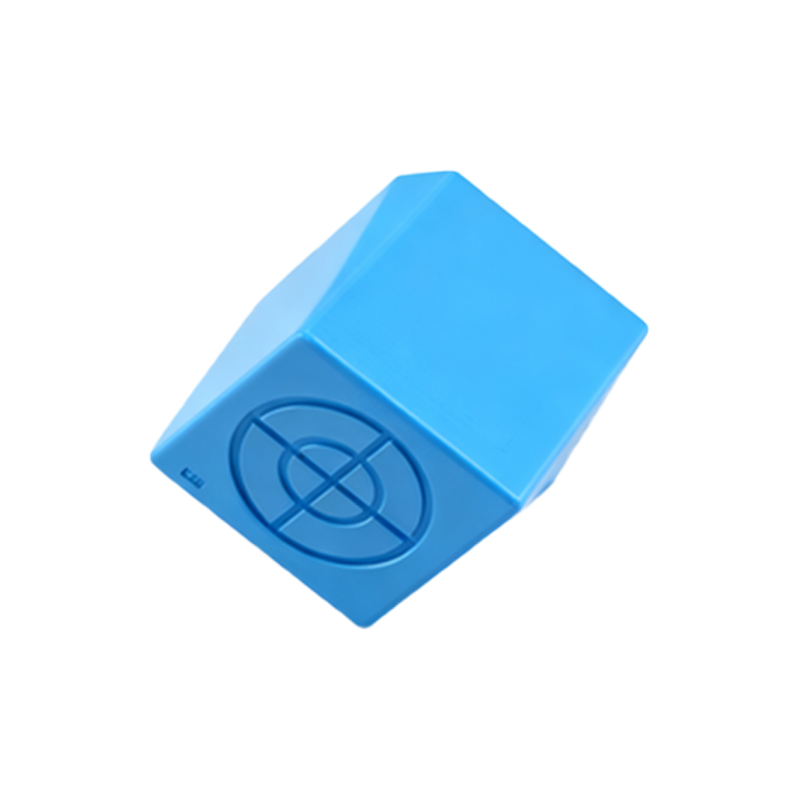
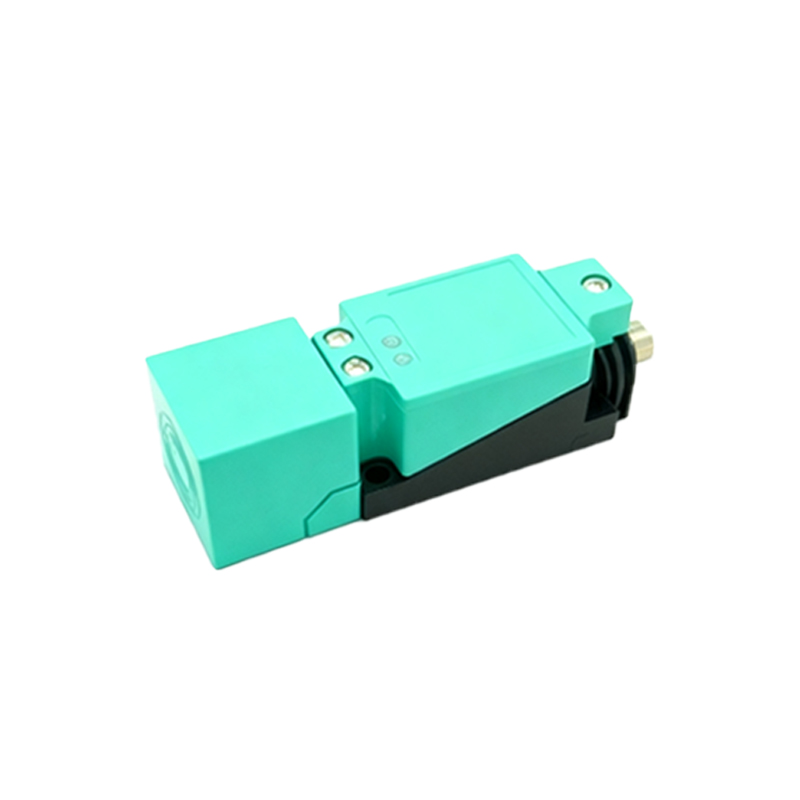
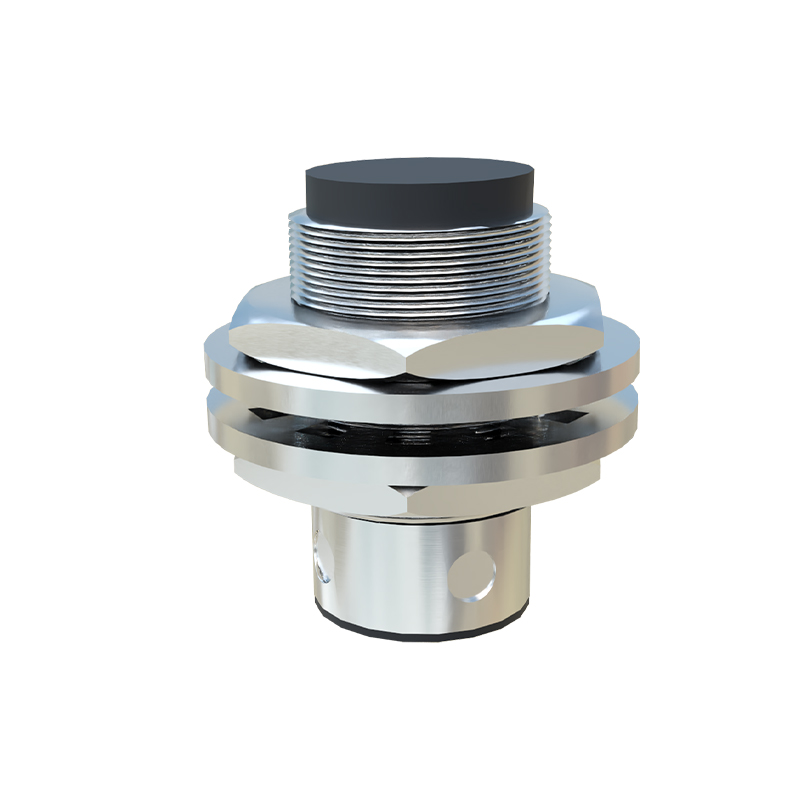
The form factor and housing design also contribute to the final price. Standard cylindrical shapes (e.g., M8, M12, M18, M30) are typically the most cost-effective due to mass production. Specialized rectangular, ring-shaped, or slot-style sensors involve more complex manufacturing processes and lower production volumes, leading to higher unit costs. The choice of connection type—pre-wired cable, quick-disconnect (M12 connector), or terminal block—adds another layer of cost variation. Pre-wired models offer convenience but can be pricier than connector versions, which offer easier replacement.
Beyond the product itself, brand equity and supply chain considerations are substantial price factors. Established global brands (e.g., Siemens, Omron, Pepperl+Fuchs, Balluff, ifm) invest heavily in research, development, quality control, and global support networks. This investment translates into higher prices but also offers reliability, extensive technical documentation, and readily available spare parts. In contrast, generic or value-brand sensors may offer similar nominal specs at a lower initial cost, but potential trade-offs can include shorter lifespan, less consistency in performance, and limited technical support. The choice here often boils down to the criticality of the application and total cost of ownership.
Market forces and purchase volume play the final role in determining the quoted price. Raw material costs for copper, electronics, and plastics fluctuate. Distributor markups, regional tariffs, and logistics expenses are all factored into the final quote. Most importantly, unit pricing drops considerably with volume. A quote for a single sensor will be vastly different from a quote for 500 or 5,000 units. Many suppliers offer tiered pricing or project-based discounts for large OEM integrations.
In conclusion, requesting a quote for a metal proximity sensor should never be based on a part number alone. A precise specification sheet detailing the required sensing technology, target metal, required range, switching frequency, housing material, size, connection, protection rating, and required certifications (e.g., UL, CE, ATEX for hazardous areas) is essential. By understanding the technological and commercial elements that build the price, professionals can engage in more productive discussions with suppliers, accurately compare offerings, and ultimately select the sensor that delivers optimal performance and value for their specific industrial application.