In the rapidly evolving landscape of industrial automation, long-distance proximity sensors have emerged as critical components for enabling non-contact detection and measurement in challenging environments. These sensors, capable of detecting objects from several millimeters to over a hundred meters away, are integral to applications ranging from material handling and logistics to automotive assembly and aerospace. The supply chain for these sophisticated devices is dominated by specialized factories that combine advanced engineering with rigorous manufacturing standards. This article delves into the technical aspects, market dynamics, and key considerations surrounding suppliers of long-distance proximity sensors.
Technologically, long-distance proximity sensors primarily utilize inductive, capacitive, ultrasonic, and laser-based principles. Inductive sensors, effective for metallic objects, typically offer ranges up to 120 mm, while capacitive variants can detect non-metallic materials at similar distances. For extended ranges, ultrasonic sensors employ sound waves to measure distances up to 10 meters, making them suitable for level monitoring and obstacle detection. The most advanced category, laser distance sensors (often LIDAR-based), can achieve detection ranges exceeding 200 meters with high precision, essential for autonomous vehicles, crane positioning, and large-scale surveying. Leading supply factories invest heavily in R&D to enhance signal processing algorithms, environmental robustness (against dust, moisture, and temperature extremes), and energy efficiency. For instance, modern laser sensors incorporate time-of-flight (ToF) technology and adaptive filtering to maintain accuracy in variable lighting conditions.
The global market for these sensors is driven by the proliferation of Industry 4.0, smart infrastructure, and robotics. Major supply hubs are concentrated in regions with strong electronics manufacturing ecosystems, such as Germany, Japan, the United States, and increasingly, South Korea and Taiwan. Factories in these regions often adhere to international standards like ISO 9001 for quality management and IEC 60947 for industrial control equipment. A key trend is the integration of Industrial Internet of Things (IIoT) capabilities, where sensors are equipped with Ethernet, IO-Link, or wireless interfaces (e.g., Bluetooth Low Energy) for real-time data transmission to cloud platforms. This enables predictive maintenance and process optimization, adding value beyond mere detection.
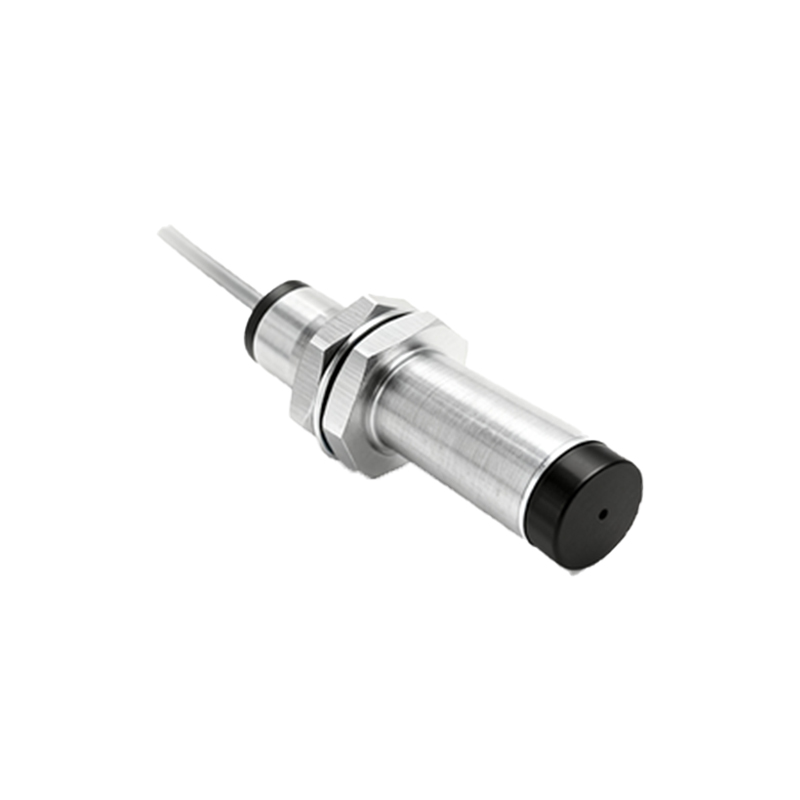
Selecting a reliable supply factory requires careful evaluation of several factors. Technical specifications, including sensing range, repeatability, response time, and housing material (e.g., stainless steel for corrosive environments), must align with application needs. Factories that offer customization—such as adjustable sensing angles or specialized lens coatings—are often preferred for niche applications. Additionally, scalability of production, lead times, and after-sales support (including calibration services and technical documentation) are crucial for long-term partnerships. Environmental and regulatory compliance, such as RoHS and REACH directives, is also a priority, especially for exports to European markets.
Despite advancements, challenges persist in the supply chain. Component shortages, particularly for semiconductors and optical elements, can disrupt production. Factories are addressing this by diversifying sourcing strategies and investing in vertical integration. Moreover, the need for cybersecurity in networked sensors is growing, prompting suppliers to implement encryption and secure boot mechanisms. Looking ahead, innovations in miniaturization, multi-sensor fusion, and artificial intelligence for anomaly detection are set to redefine the capabilities of long-distance proximity sensors. Supply factories that embrace these trends while maintaining cost competitiveness will likely lead the market.
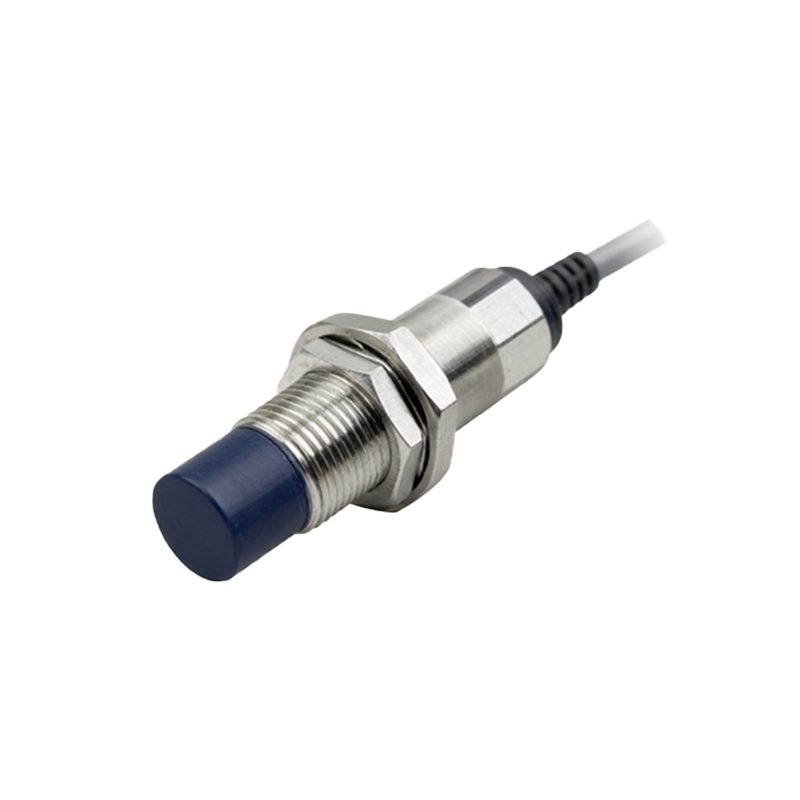
In conclusion, the ecosystem of long-distance proximity sensor suppliers is characterized by technological sophistication and strategic adaptation to industrial demands. From ultrasonic units in warehouse automation to laser sensors in autonomous systems, these factories play a pivotal role in enabling smarter, safer, and more efficient operations across sectors. As automation continues to expand, the collaboration between sensor manufacturers and end-users will be essential for driving further innovations in sensing technology.