In industrial automation systems, precise control of pneumatic or hydraulic actuators is critical for operational efficiency and safety. One common application involves using proximity sensors to detect the position of moving components and subsequently actuating solenoid valves to control fluid flow. However, direct, instantaneous switching can lead to mechanical stress, fluid hammer, or misalignment in sequential processes. Implementing a delay control mechanism between sensor detection and valve activation addresses these issues, enhancing system reliability and longevity.
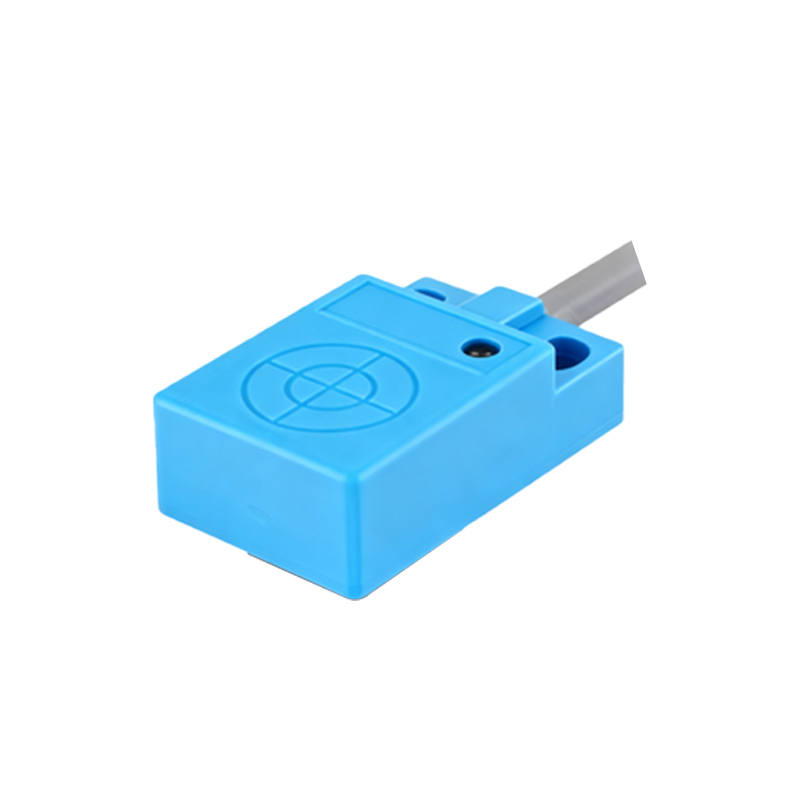
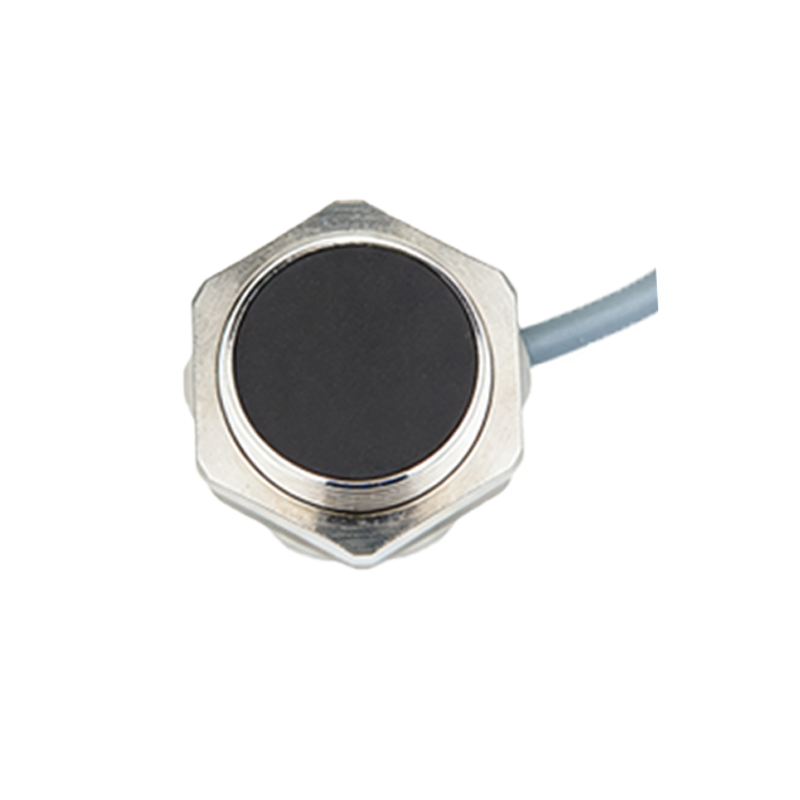
Proximity sensors, such as inductive, capacitive, or magnetic types, provide non-contact detection of metallic or non-metallic objects. When a target enters the sensor’s sensing range, it generates an electrical signal, typically a DC voltage output. This signal is sent to a control unit, such as a programmable logic controller (PLC), relay timer, or dedicated delay module. The key to delay control lies in configuring this intermediary device to introduce a programmable time lag before triggering the solenoid valve.
Solenoid valves, electromechanical devices that control fluid flow by converting electrical energy into linear motion, respond rapidly to electrical signals. Without delay, immediate activation upon sensor detection can cause abrupt starts or stops in machinery, leading to wear and tear. For instance, in a conveyor system where a proximity sensor detects a product’s arrival, a delayed valve actuation might be necessary to allow proper positioning before engaging a pneumatic pusher. Similarly, in hydraulic presses, a brief pause after sensor detection ensures that components are fully seated before applying pressure, preventing damage.
The implementation of delay control involves several technical considerations. First, the type of delay—on-delay (timer starts upon sensor signal) or off-delay (timer starts upon signal loss)—must be selected based on the application. On-delay is commonly used for postponing valve activation, while off-delay can be applied to maintain valve operation briefly after sensor deactivation. Second, the delay duration, typically adjustable from milliseconds to several seconds, should be calibrated to match the mechanical response times and process requirements. Using a PLC allows for flexible programming, integrating multiple sensors and valves with customized delay logic for complex automation sequences.
In practice, wiring and configuration are straightforward. The proximity sensor output connects to the delay timer’s input, and the timer’s output drives the solenoid valve coil. For noise immunity in industrial environments, shielded cables and proper grounding are recommended. Additionally, selecting sensors with high repeatability and valves with fast response times ensures that the delay does not introduce inefficiencies. Regular maintenance, such as checking sensor alignment and valve cleanliness, prevents false triggers or sticking that could undermine the delay control’s effectiveness.
Benefits of incorporating delay control include reduced mechanical shock, lower maintenance costs, and improved process accuracy. For example, in packaging machinery, delayed valve actions can synchronize multiple actuators, minimizing product jams. In safety systems, delays can provide buffer times for operator intervention or emergency stops. As Industry 4.0 advances, integrating smart sensors with IoT-enabled controllers allows for real-time delay adjustments based on data analytics, further optimizing performance.
Ultimately, proximity sensor delay control for solenoid valves represents a simple yet powerful technique in industrial automation. By fine-tuning the timing between detection and actuation, engineers can achieve smoother operations, extend equipment life, and enhance overall system productivity. Whether in manufacturing, automotive, or food processing, this approach underscores the importance of precision timing in electromechanical control systems.