In the rapidly evolving landscape of industrial automation, proximity switch sensors stand as fundamental components, enabling non-contact detection and precise control. This forum serves as a dedicated platform for engineers, technicians, and industry professionals to delve into the core technologies, emerging trends, and practical applications of these critical devices. The discussion encompasses a wide array of sensor types, including inductive, capacitive, ultrasonic, and photoelectric proximity switches, each with distinct operational principles suited for specific environmental and material challenges.
The core technology of inductive proximity sensors, for instance, revolves around generating an electromagnetic field. When a metallic target enters this field, it induces eddy currents, causing a change in oscillation amplitude that is detected by the sensor's circuit. This principle makes them indispensable in harsh manufacturing environments for detecting metal objects with high reliability and speed, immune to dust, oil, and moisture. Recent forum discussions highlight advancements in miniaturization and the development of models with extended sensing ranges and enhanced noise immunity, crucial for high-precision robotics and CNC machinery.
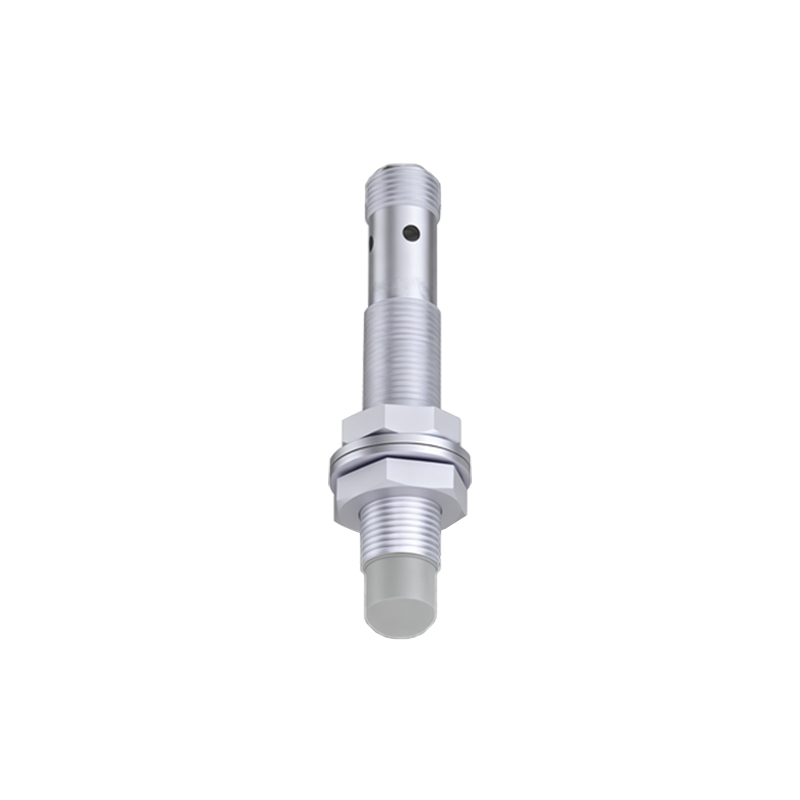
Capacitive proximity sensors, operating on the principle of capacitance change, detect both metallic and non-metallic materials, including liquids, plastics, and wood. Engineering dialogues here often focus on their application in level detection, material handling, and packaging industries. Key innovations include improved shielding techniques to prevent false triggering and sensors capable of detecting targets through non-metallic container walls, expanding their utility in process control.
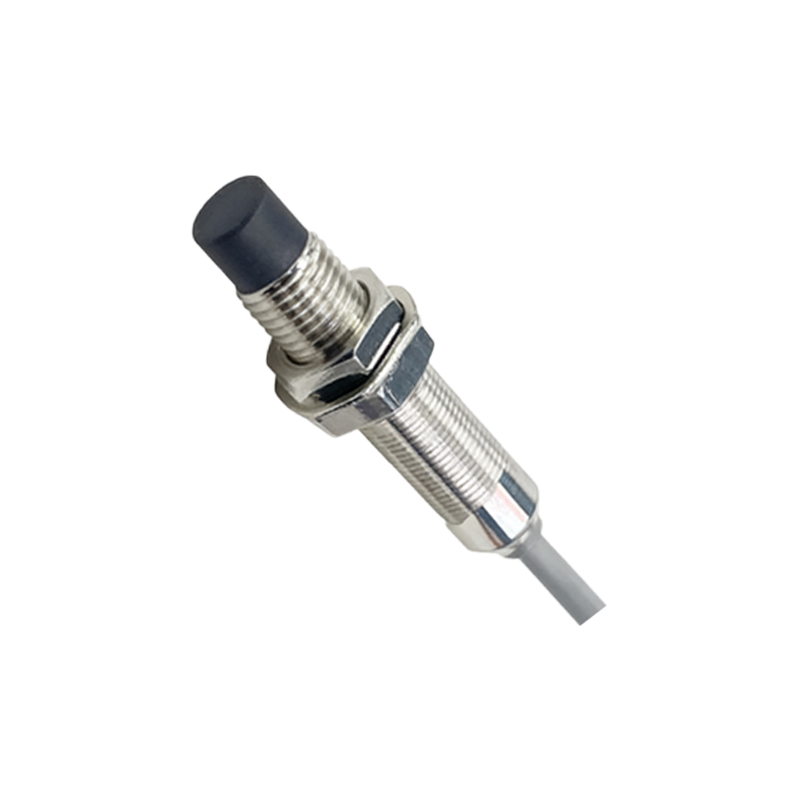
Photoelectric sensors, utilizing light beams, offer the longest sensing distances and are pivotal in object detection, counting, and positioning. Forum threads frequently analyze the choice between through-beam, retro-reflective, and diffuse reflective modes, weighing factors like environmental light interference, target color, and surface texture. The integration of advanced optics and laser technology has led to sensors with micrometer-level resolution, revolutionizing quality inspection systems.
Ultrasonic sensors, using sound waves, excel in distance measurement and presence detection of varied materials, even in challenging conditions with dust or steam. Technical exchanges emphasize their role in automated guided vehicles (AGVs), bulk material level monitoring, and complex object profiling. Developments in signal processing algorithms have significantly improved their accuracy and response time.
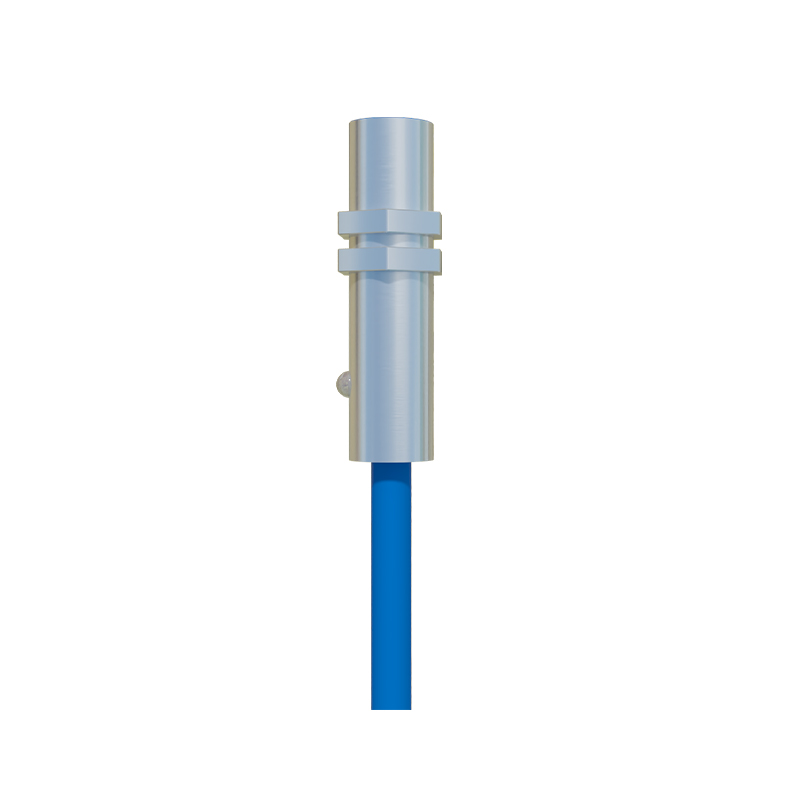
A recurring theme in this forum is the integration of smart features and Industrial Internet of Things (IIoT) connectivity. Modern proximity switches now often embed IO-Link communication, enabling parameter configuration, real-time diagnostics, and predictive maintenance data transmission directly to control systems. This digital transformation allows for remote monitoring of sensor health, reducing downtime and optimizing production workflows. Engineers share case studies on implementing networked sensor arrays that provide granular data for analytics and process optimization.
Furthermore, the forum addresses critical selection criteria: environmental factors like temperature extremes, chemical exposure, and IP ratings; electrical specifications such as output types (PNP/NPN, analog, relay) and supply voltage compatibility; and mechanical considerations including housing materials, form factors, and mounting configurations. Practical troubleshooting guides, contributed by seasoned veterans, help resolve common issues like electrical interference, sensor drift, and physical misalignment.
The application spectrum discussed is vast, spanning automotive assembly lines, food and beverage processing, pharmaceutical manufacturing, and material logistics. Specific threads explore how specialized sensors, like weld-field immune inductive models or high-temperature variants, solve niche but critical problems. The collective knowledge pool also delves into safety-rated proximity devices used in interlocking guards and safety systems, adhering to stringent international standards like IEC 60947-5-2.
In conclusion, this technology forum is more than a knowledge repository; it is a collaborative engine driving innovation. By dissecting technical specifications, sharing on-field experiences, and forecasting trends like the convergence with AI for pattern recognition, the community ensures that proximity switch sensor technology continues to be a robust, intelligent, and adaptable cornerstone of modern industrial automation, enhancing efficiency, safety, and reliability across global industries.