Proximity sensors are a cornerstone of modern industrial automation and smart device design. These non-contact devices detect the presence or absence of an object within a defined sensing range without any physical contact. Their ability to provide reliable, wear-free detection makes them indispensable in countless applications, from factory assembly lines to the smartphone in your pocket. Unlike mechanical limit switches, proximity sensors offer superior longevity and can operate in harsh environments where dirt, oil, or moisture would compromise other sensing methods.
The fundamental principle behind most industrial proximity sensors is electromagnetic induction. A typical inductive proximity sensor contains an oscillator circuit that generates a high-frequency electromagnetic field at its active face. When a metallic target enters this field, eddy currents are induced in the target, causing a load on the oscillator. The sensor's detection circuit monitors this oscillation amplitude. The change in amplitude triggers a solid-state output switch, signaling the presence of the object. This technology is exceptionally robust and is primarily used for detecting ferrous and non-ferrous metals, with sensing ranges varying from a few millimeters to several centimeters.
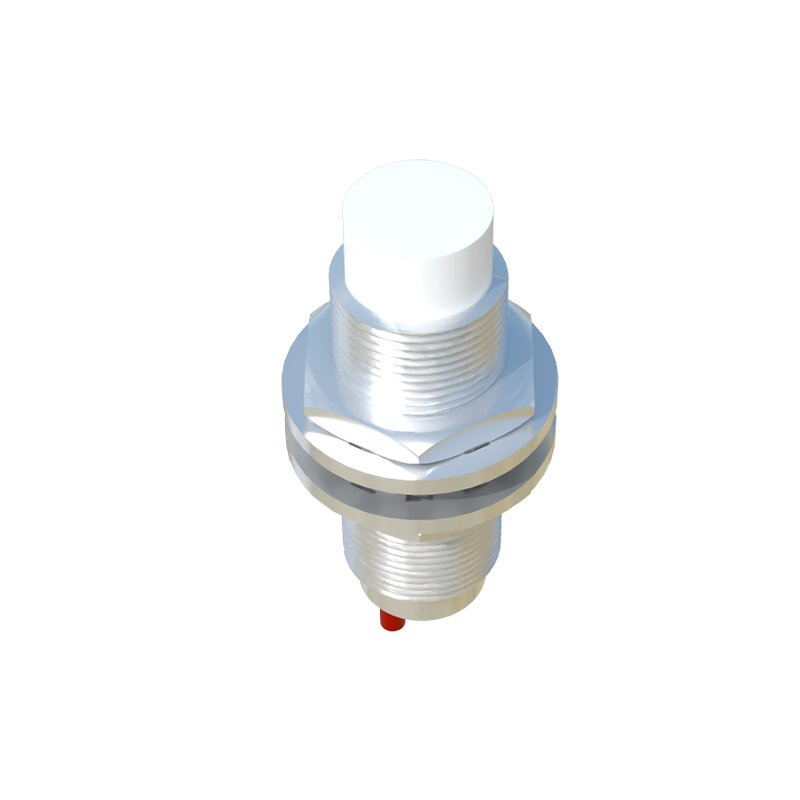
Another prevalent type is the capacitive proximity sensor. These operate on a similar principle but can detect both metallic and non-metallic materials, including liquids, plastics, wood, and granular substances. A capacitive sensor generates an electrostatic field. Any object that enters this field alters the capacitance of the sensor's circuit, which is measured and used to change the output state. This makes them ideal for applications like level detection in tanks, material handling, and presence detection of non-metallic objects. Their sensitivity is often adjustable to compensate for different target materials or to ignore background interference.
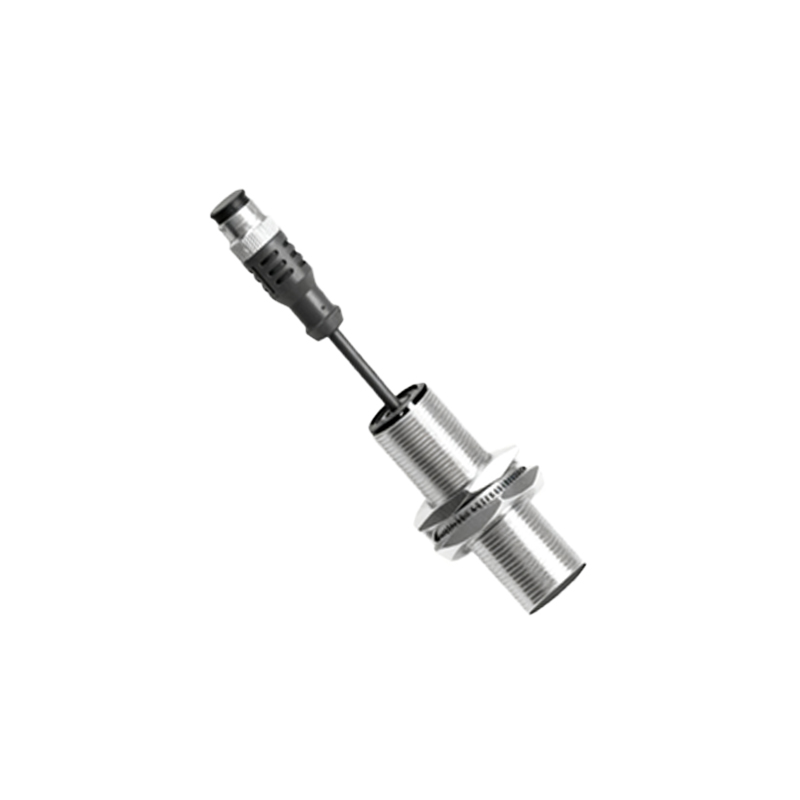
For applications requiring longer sensing distances or detection of any object regardless of material, photoelectric sensors are often the solution. These emit a beam of light (visible, infrared, or laser) and detect changes in the received light intensity. The "proximity" or diffuse reflective mode is a common configuration where the emitter and receiver are in the same housing. The sensor detects light reflected directly from the target. While offering longer ranges, they can be influenced by the target's color, reflectivity, and environmental conditions like dust or fog.
Selecting the right proximity sensor requires careful consideration of several key parameters. The sensing range, or nominal range (Sn), is the distance at which a standard target will reliably trigger the sensor under specified conditions. It is crucial to note that the actual sensing distance can vary with target material, size, and shape. Hysteresis is another critical factor; it is the difference between the switch-on point (as the target approaches) and the switch-off point (as it moves away). This built-in differential prevents output chatter when a target is at the exact sensing limit. Other vital specifications include the response frequency (how quickly it can detect objects passing by), output type (PNP/NPN, analog, IO-Link), and environmental ratings like IP (Ingress Protection) for dust and water resistance, and temperature tolerance.
The applications for proximity sensors are vast and growing. In automotive manufacturing, they count parts, verify robot arm positions, and ensure safety doors are closed. In packaging machinery, they detect labels, monitor fill levels, and control product flow. In the consumer electronics sector, they enable features like automatic screen turn-off during a phone call. Emerging trends include the integration of advanced diagnostics and communication protocols like IO-Link, which allows sensors to transmit detailed parameter and status data, facilitating predictive maintenance and smarter, more flexible production systems. Their reliability, versatility, and non-contact nature ensure that proximity sensors will remain a fundamental component in the ongoing evolution of automation and the Internet of Things (IoT).