In the realm of electrical engineering and industrial automation, the ability to detect the presence, absence, or position of an object without physical contact is paramount. This capability is primarily enabled by a class of devices known as proximity sensors. When an object approaches a sensor and triggers a response—often indicated by a light or signal—it is typically a proximity sensor at work. These sensors are fundamental components in countless applications, from consumer electronics to complex manufacturing assembly lines.
A proximity sensor is a device that detects the presence of nearby objects. The key principle is that it does so without any physical contact, hence the term "non-contact" sensing. The sensor emits a field or a beam of electromagnetic radiation (like infrared light, for instance) or uses an electrostatic field. When an object enters this field, it causes a change in the signal. The sensor's circuitry detects this change and converts it into an electrical signal that can be used to trigger an action, such as turning on an indicator light, activating a relay, or sending data to a programmable logic controller (PLC).
There are several primary types of proximity sensors, each operating on a distinct physical principle and suited for different materials and environments.
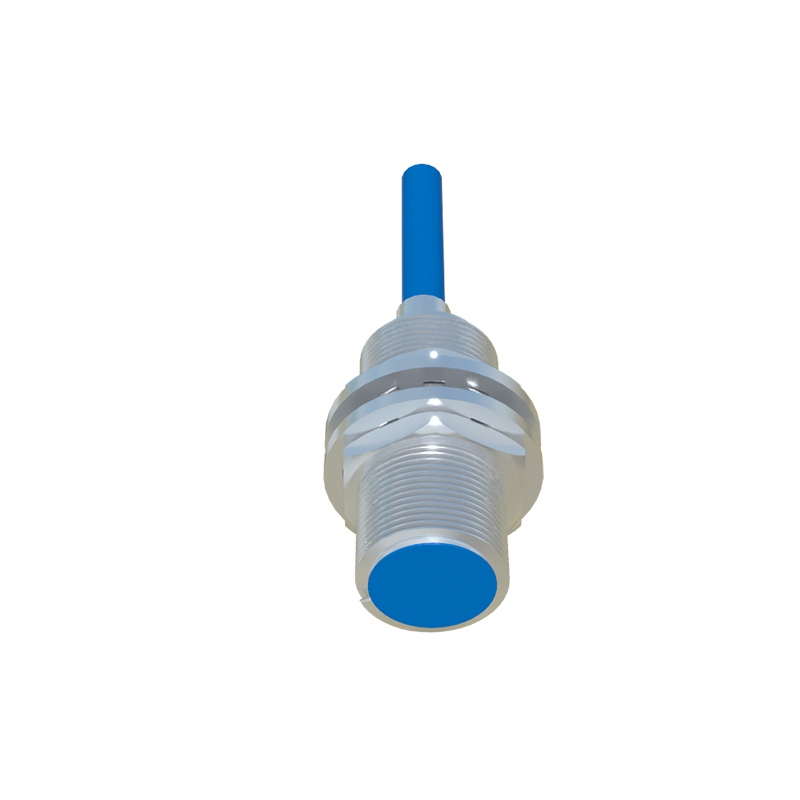
1. Inductive Proximity Sensors: These are among the most common in industrial settings. They generate an oscillating electromagnetic field. When a metallic object enters this field, it induces eddy currents within the object, which causes a change in the oscillation amplitude. The sensor detects this change. Inductive sensors are robust, reliable, and excellent for detecting metals, but they do not detect non-metallic materials like plastic, wood, or liquid.
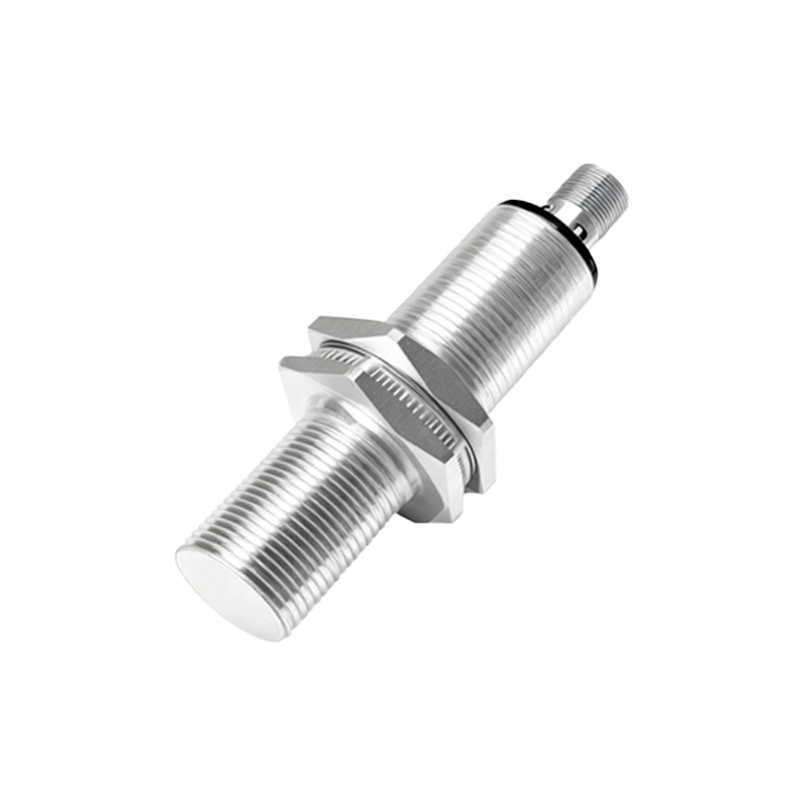
2. Capacitive Proximity Sensors: These sensors can detect both metallic and non-metallic objects, including liquids, powders, and plastics. They operate by generating an electrostatic field. Any object that enters this field alters the capacitance of the sensor's circuit. This change is measured and triggers the output. Capacitive sensors are versatile and are often used for level detection, material handling, and presence detection of a wide variety of materials.
3. Photoelectric Sensors: These sensors use light, typically infrared, visible red, or laser light. They consist of a light emitter and a receiver. When an object interrupts or reflects the light beam (depending on the sensing mode—through-beam, retro-reflective, or diffuse), the receiver detects the change in light intensity. The "light turning on" when an object is near is a classic behavior of a diffuse reflective photoelectric sensor, where the sensor detects light reflected back from the object itself. Photoelectric sensors offer long sensing ranges and can detect virtually any material.
4. Ultrasonic Proximity Sensors: These work on a principle similar to sonar. They emit high-frequency sound waves and evaluate the echo received back. The time lapse between sending the signal and receiving the echo is used to calculate the distance to an object. They are effective for detecting objects of most materials, including transparent ones, and are suitable for challenging environments with dust, mist, or vapors.
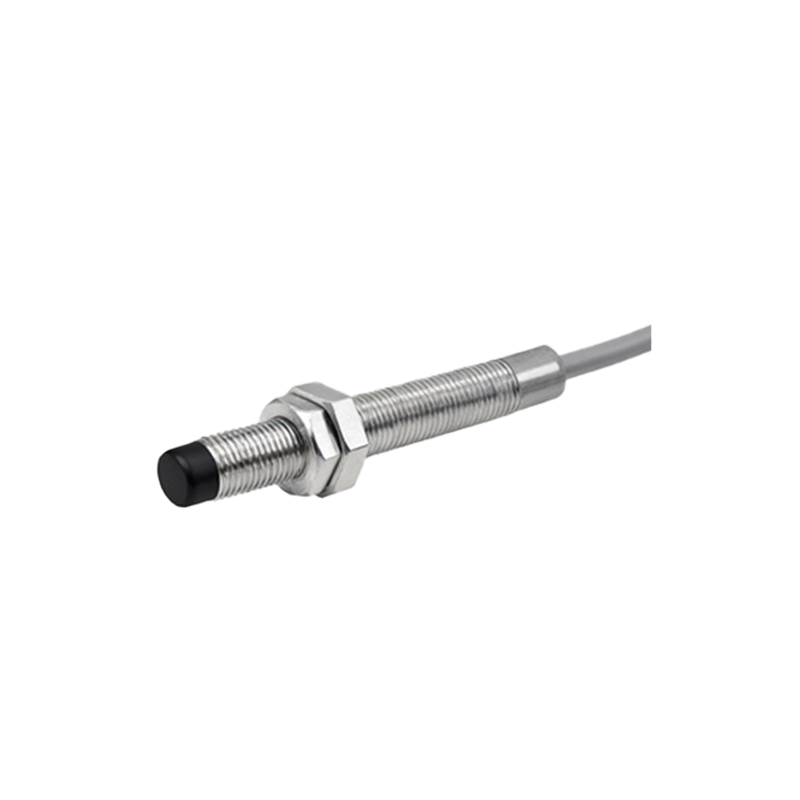
When an object approaches and a light illuminates, it is often part of the sensor's built-in diagnostic or status indicator. Many industrial proximity sensors feature an LED that lights up when the sensor is activated (object detected) or to indicate power status. This provides immediate visual feedback for technicians during installation, troubleshooting, and operation.
The applications are vast. In automotive manufacturing, inductive sensors count metallic parts on a conveyor. In packaging, capacitive sensors ensure bottles are filled to the correct level. Photoelectric sensors are the eyes of automated sorting systems. On a smartphone, a miniature infrared proximity sensor detects when the phone is held to your ear and turns off the touchscreen to save power and prevent accidental touches.
Selecting the right sensor involves careful consideration of several factors: the material of the target object (metal, plastic, liquid), the required sensing distance, the operating environment (temperature, presence of contaminants like oil or dust), the required output type (digital NPN/PNP, analog), and the response speed needed for the application.
In conclusion, the sensor that activates when an object comes near, often signaled by a light, is a proximity sensor. Its non-contact nature, reliability, and speed make it an indispensable tool in modern electrical engineering and automation. Understanding the different types—inductive, capacitive, photoelectric, and ultrasonic—allows engineers to design more efficient, safe, and intelligent systems across all industries. The humble proximity sensor, though often unseen, is a critical component in the seamless operation of the automated world.