Proximity sensors are critical components in modern compactor garbage trucks, such as those manufactured by Zhongtong. These sensors, typically inductive or capacitive types, are responsible for detecting the position of compactor blades, hopper lids, and other moving parts to ensure safe and efficient operation. When a proximity sensor fails, it can lead to operational disruptions, safety hazards, and increased maintenance costs. This article explores common causes of proximity sensor malfunctions in Zhongtong compactor trucks, diagnostic procedures, and practical solutions for fleet managers and technicians.
One of the primary causes of proximity sensor failure is environmental contamination. Garbage trucks operate in harsh conditions, exposed to dust, moisture, chemical residues, and physical impacts. Over time, debris can accumulate on sensor surfaces, interfering with their ability to detect targets accurately. For instance, inductive sensors may fail to recognize metal components if coated with grime, while capacitive sensors might trigger falsely due to wet waste materials. Regular cleaning and inspection are essential to prevent such issues. Technicians should use non-abrasive cleaners and check sensor alignment during routine maintenance.
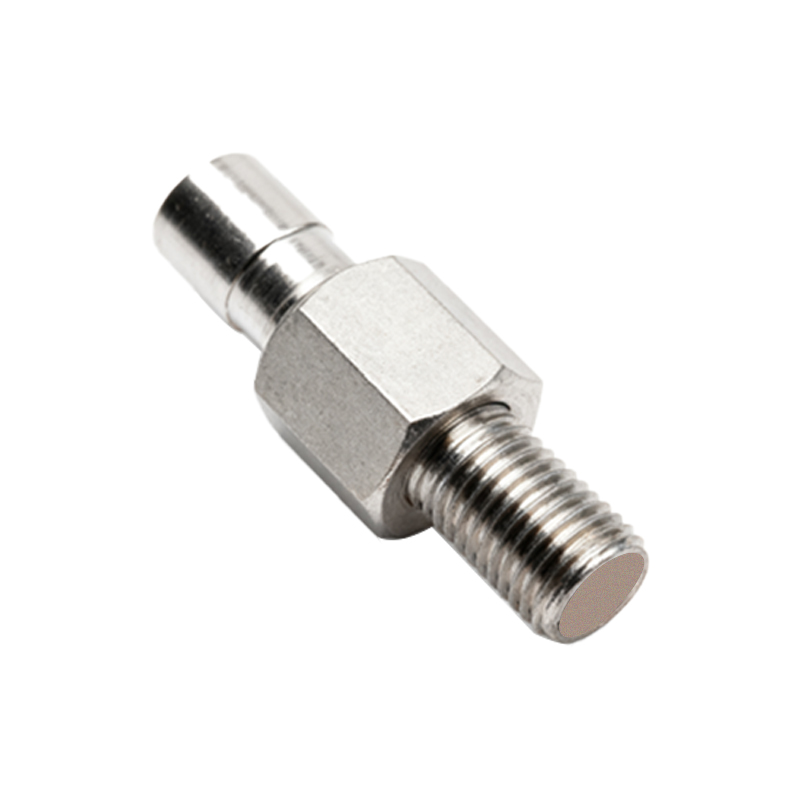
Electrical issues are another frequent culprit. Proximity sensors rely on stable power supplies and proper wiring connections. Voltage fluctuations, short circuits, or corroded connectors can lead to intermittent or permanent sensor failures. In Zhongtong trucks, the sensor wiring is often routed through areas prone to vibration and abrasion, which can degrade insulation over time. Using a multimeter to test voltage at the sensor terminal and inspecting wiring harnesses for damage are key diagnostic steps. Additionally, ensuring that the power source complies with the sensor’s specifications (e.g., 10-30V DC for many models) can prevent premature failures.
Mechanical misalignment or wear can also cause sensor malfunctions. Proximity sensors must be precisely positioned relative to their target objects—usually within a few millimeters. If the sensor bracket becomes loose due to vibration or impact, the detection range may shift, leading to false readings or no signal output. In compactor systems, this might result in the blade stopping mid-cycle or over-compacting, risking damage to the mechanism. Technicians should verify mounting stability and adjust the gap according to the manufacturer’s guidelines. Replacing worn brackets or sensors with OEM parts from Zhongtong ensures compatibility and reliability.
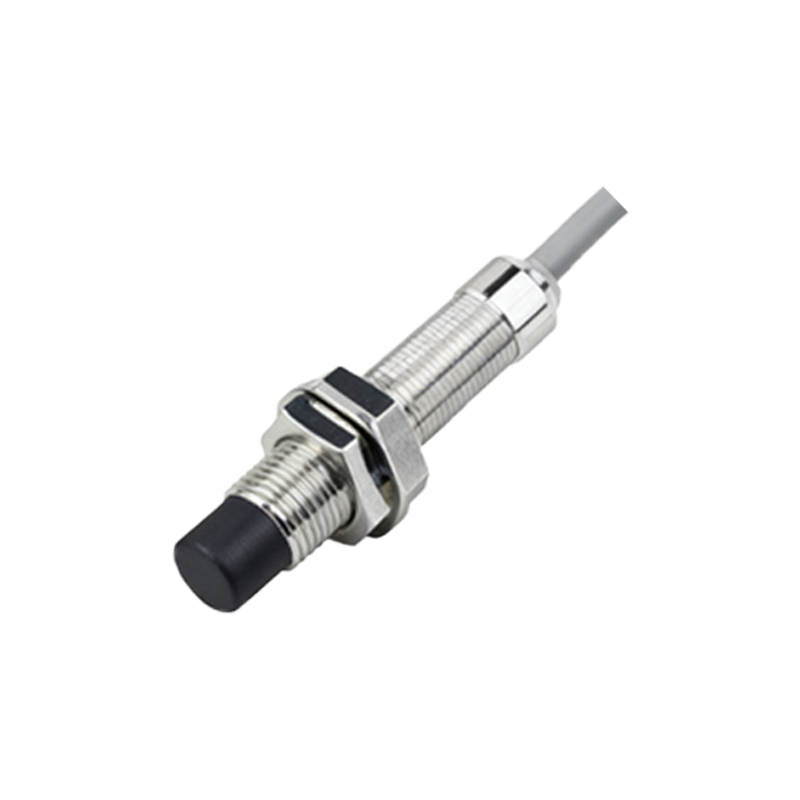
Sensor aging and component degradation are inevitable over time. Proximity sensors have a finite lifespan, often rated for millions of operating cycles. In high-use applications like garbage compaction, sensors may wear out faster due to constant activation. Signs of aging include reduced detection range, slower response times, or inconsistent output signals. When diagnostics point to aging, replacement is the most effective solution. Opting for high-temperature or waterproof sensor variants, if available, can enhance durability in truck environments.
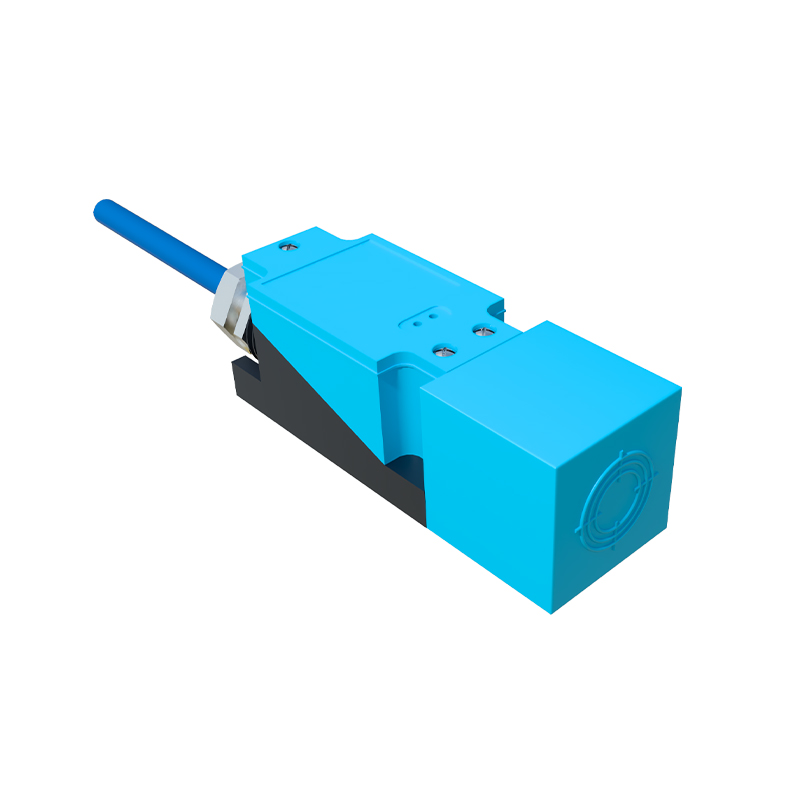
Diagnosing proximity sensor issues requires a systematic approach. Start by checking the truck’s diagnostic system for error codes related to the compactor or hydraulic systems. Many Zhongtong models feature onboard diagnostics that can pinpoint sensor faults. If no codes are present, visual inspection of the sensor and its surroundings is necessary. Look for physical damage, corrosion, or loose connections. Next, use an oscilloscope or multimeter to monitor the sensor’s output signal while activating the compactor. A healthy sensor should show a clean, consistent signal when the target is within range. Inconsistent or absent signals indicate a problem.
For persistent issues, consider environmental factors. Temperature extremes, common in garbage truck operations, can affect sensor performance. Some sensors may malfunction in very cold or hot conditions, leading to intermittent faults. Installing protective enclosures or selecting sensors with wider temperature tolerances can mitigate this. Additionally, electromagnetic interference (EMI) from nearby motors or hydraulic solenoids can disrupt sensor signals. Shielding cables or relocating sensors away from high-EMI sources may resolve such problems.
Preventive maintenance is crucial to minimize downtime. Implement a schedule that includes sensor cleaning, electrical testing, and mechanical inspections every 500 operating hours or as recommended by Zhongtong. Training technicians to recognize early warning signs—such as erratic compactor behavior or warning lights—can help address issues before they escalate. Keeping a log of sensor replacements and failures also aids in identifying patterns or recurrent problems specific to certain truck models or routes.
In summary, proximity sensor malfunctions in Zhongtong compactor garbage trucks stem from environmental, electrical, mechanical, and age-related factors. By understanding these causes and applying thorough diagnostic methods, fleet operators can maintain efficient and safe truck operations. Regular maintenance, proper installation, and timely replacements are key to extending sensor life and ensuring reliable performance in demanding waste management applications.