Inductive proximity sensors are non-contact electronic devices that detect the presence of metallic objects without physical contact. Operating on the principle of electromagnetic induction, these sensors generate an oscillating electromagnetic field from a coil. When a metallic target enters this field, eddy currents are induced in the target, causing a change in the oscillation amplitude. This change is detected by the sensor's circuitry, triggering an output signal. Their robustness, high switching frequency, and immunity to environmental factors like dust, oil, and moisture make them indispensable in modern industrial automation.
In manufacturing and assembly lines, inductive proximity sensors are fundamental for position detection and object counting. They precisely verify if components like metal brackets, engine blocks, or fasteners are correctly positioned before the next process stage, preventing jams and misalignments. For counting, sensors mounted along conveyor belts tally metallic items, such as cans or machined parts, enabling accurate production tracking and inventory management. Their rapid response time allows counting at high speeds without missing objects.
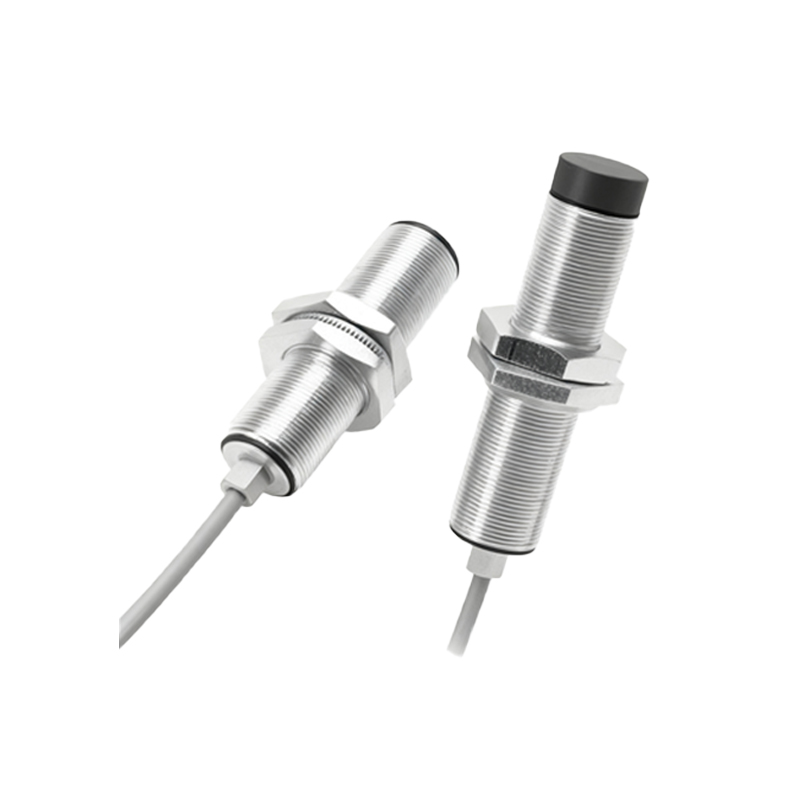
The automotive industry heavily relies on these sensors for robotic welding and painting. In welding cells, sensors confirm the presence of metal panels or frames, ensuring robots weld at exact locations. This enhances precision and reduces scrap. In painting booths, sensors detect vehicle bodies on overhead conveyors, triggering spray guns automatically. Their sealed housings withstand harsh conditions, including paint overspray and chemical exposure, ensuring consistent operation.
Packaging machinery utilizes inductive sensors for fill-level control and cap detection. In bottling lines, sensors monitor metal components within fillers to verify proper liquid levels. For metal caps on jars or bottles, sensors check if caps are present and securely fastened before labeling. This minimizes waste and maintains packaging integrity. Their small form factors allow installation in tight spaces without interfering with moving parts.
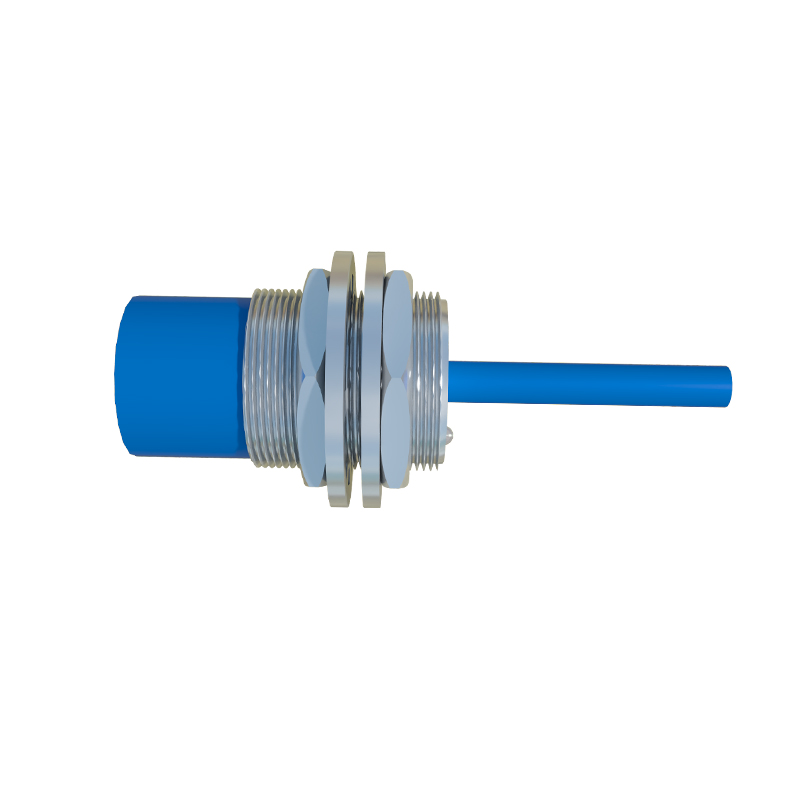
In metalworking and CNC machining, inductive sensors provide critical end-of-travel detection and tool monitoring. On lathes or milling machines, sensors detect the position of slides or turrets, preventing overtravel that could damage tools or workpieces. For tool monitoring, sensors identify broken drills or taps by checking if metal tools are present in holders, triggering alarms for immediate replacement. This reduces downtime and improves machining accuracy.
Material handling systems, such as automated guided vehicles (AGVs) and elevators, employ these sensors for safety and positioning. AGVs use sensors to detect metal floor tags for navigation, ensuring precise path following. In elevators, sensors confirm door closure by detecting metal plates, enhancing passenger safety. Their reliability in high-vibration environments makes them ideal for mobile applications.
The food and beverage sector, despite involving non-metallic products, uses inductive sensors in equipment with metal components. For instance, sensors detect metal pistons in fillers or metal gears in mixers, ensuring machinery operates within set parameters. Stainless steel housings with high IP ratings allow frequent washdowns, meeting hygiene standards without sensor failure.
Renewable energy installations, like wind turbines, incorporate inductive sensors for condition monitoring. They detect the position of metal components in pitch systems or brake calipers, helping optimize performance and schedule maintenance. Their ability to function in extreme temperatures and corrosive environments supports long-term reliability in outdoor settings.
Advancements in inductive sensor technology have expanded their utility. Miniaturized models, some as small as 3mm in diameter, enable detection in confined spaces. Analog versions provide continuous distance measurement for precise positioning tasks. Additionally, weld-field immune models resist interference from strong magnetic fields, making them suitable for welding applications without false triggering.
In summary, inductive proximity sensors are versatile tools that enhance efficiency, safety, and quality across diverse industries. From automotive plants to food processing facilities, their ability to reliably detect metallic objects in challenging conditions underscores their critical role in automation. As industries evolve toward smarter manufacturing, these sensors will continue to be integral to operational success, driven by ongoing innovations in durability and functionality.