Outdoor human presence detection represents a critical technological frontier, enabling smarter security, automated lighting, and responsive public infrastructure. Unlike controlled indoor settings, the outdoors presents a gauntlet of challenges that demand robust and intelligent sensing solutions. Proximity sensors designed for exterior use must operate reliably through temperature extremes, relentless precipitation, blinding sunlight, and unpredictable interference. This guide explores the core technologies, selection criteria, and implementation strategies for effective outdoor human detection.
The primary technologies for outdoor proximity sensing fall into several categories, each with distinct advantages. Passive Infrared (PIR) sensors are a prevalent choice, detecting changes in infrared radiation emitted by warm-bodied objects like humans. Modern outdoor PIR sensors are housed in weather-resistant casings and use sophisticated Fresnel lenses to create detection zones while filtering out false triggers from sunlight or hot surfaces. Their low power consumption makes them ideal for battery-operated applications like pathway lighting or trail counters.
Microwave (Radar) sensors emit continuous or pulsed radio waves and analyze the reflected signal. They excel at detecting motion through non-metallic obstacles like thin walls, fog, or light foliage. This makes them suitable for areas where line-of-sight is occasionally obscured. Advanced radar modules can now differentiate between human movement and smaller animals, reducing nuisance alerts. Their performance is largely unaffected by temperature or light conditions, but they require careful installation to avoid interference with other electronic devices.
Active Infrared beams, often used in security perimeters, consist of a transmitter and receiver pair. An interruption of the invisible beam signals an intrusion. While highly accurate for defining a specific boundary, they are best for controlled entry points rather than wide-area detection. For broader coverage, video analytics with motion detection has become more viable outdoors. Modern systems use on-edge processing to distinguish human shapes from other moving objects like blowing leaves or animals, though they require adequate (often IR-supplemented) lighting and raise privacy considerations.
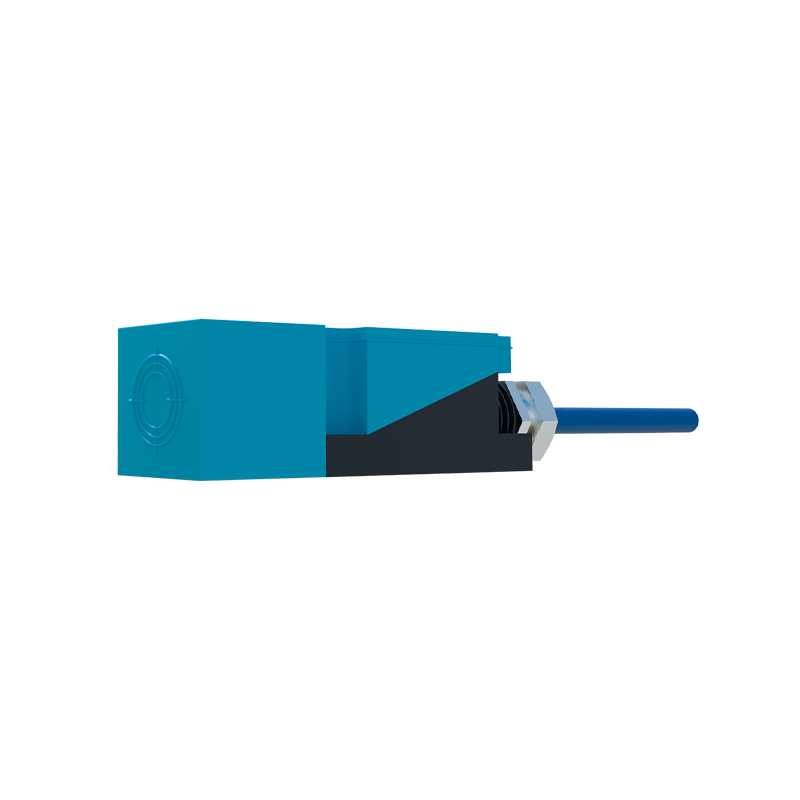
Selecting the right sensor hinges on a detailed analysis of the environment and the desired outcome. Key factors include the required detection range and coverage pattern. A sensor for a driveway gate needs a long, narrow field, while one for a patio area requires a wide arc. Environmental resilience is non-negotiable. Look for an Ingress Protection (IP) rating of at least IP65 (dust-tight and protected against water jets) and a wide operational temperature range, such as -40°C to 70°C. The sensor's housing should resist UV degradation.
Immunity to environmental noise is crucial. Sensors must be designed to ignore common triggers: PIR sensors should compensate for sudden temperature swings; radar sensors should filter out vibrations from wind; and all electronics must be shielded from electromagnetic interference. Power sourcing is another practical concern. While wired AC power is reliable for permanent installations, solar-charged battery systems offer flexibility for remote locations.
Successful implementation goes beyond simply mounting a sensor. Proper placement is paramount. Avoid pointing sensors directly at moving foliage, reflective surfaces, or heat sources like exhaust vents. The mounting height and angle dramatically affect the detection zone. For instance, a PIR sensor mounted too high may only detect the top of a person's head, reducing sensitivity. Most sensors have adjustable sensitivity and time-delay settings; these should be calibrated on-site to match the specific application, minimizing false positives without compromising security.
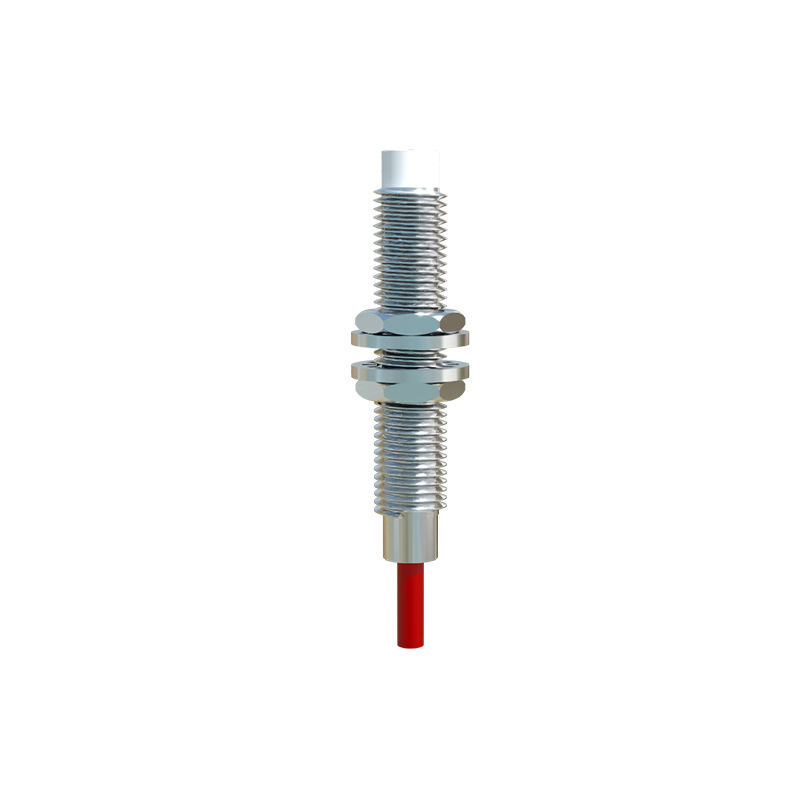
Integration transforms a standalone sensor into part of a smart system. The detection signal can trigger various actions: activating high-power LED floodlights, sending an alert to a security panel, incrementing a visitor counter, or enabling an automatic door. Using sensors with standardized output signals (like dry contact relays or digital protocols) ensures compatibility with existing automation or IoT platforms.
The future of outdoor presence detection lies in sensor fusion and increased intelligence. Combining PIR and radar in one unit leverages the strengths of both, cross-verifying signals for near-zero false alarms. Low-power, wide-area network (LPWAN) connectivity allows clusters of sensors to communicate over long distances, enabling monitoring of large parks or campuses. Furthermore, the advent of low-power millimeter-wave radar enables not just detection, but also rudimentary tracking of speed and direction, opening doors for more nuanced applications in traffic flow or public space management.
In conclusion, deploying proximity sensors outdoors is a solvable engineering challenge with significant rewards. By understanding the operational principles of available technologies, meticulously evaluating the installation environment, and following best practices for placement and integration, reliable and effective human presence detection can be achieved. This enables safer, more efficient, and more responsive outdoor spaces, from private homes to public infrastructure, regardless of the weather.