In the realm of industrial automation and machine design, the ability to detect the presence, absence, or position of an object without physical contact is paramount. Among the diverse family of proximity sensors, the diffuse reflective sensor stands out for its versatility and widespread application. This article delves into the operational principles, key characteristics, common applications, and critical selection factors for diffuse reflective proximity sensors, providing a comprehensive guide for engineers and system integrators.
At its core, a diffuse reflective sensor, often simply called a diffuse sensor, is a type of photoelectric sensor. It operates on a straightforward principle: it contains both a light emitter (typically an LED, with infrared, red, or laser light sources) and a receiver (phototransistor or photodiode) within a single housing. The emitter projects a beam of light towards a target. When this beam strikes an object, the light is scattered or "diffused" in many directions. A portion of this scattered light reflects back to the receiver within the sensor. The sensor's internal circuitry detects this returning light and triggers an output signal, indicating the presence of the object. Unlike retro-reflective sensors, which require a dedicated reflector, or through-beam sensors, which need separate emitter and receiver units, diffuse sensors detect the object itself. This self-contained nature simplifies installation.
The sensing range of a diffuse sensor is a critical specification and is highly dependent on the target's properties. Key factors include color, material, surface finish, and size. Light-colored, matte-finished objects reflect more light and can be detected at greater distances. Conversely, dark, shiny, or transparent objects absorb more light or reflect it away from the receiver, significantly reducing the effective sensing range. Manufacturers provide a standard sensing distance, usually defined for a matte white reference target (e.g., 90% reflectance). For real-world applications, a substantial reduction factor, often called the "material factor," must be applied. For instance, a black rubber object might only be detectable at 20% of the nominal range. Understanding this relationship is crucial for reliable system design.
Diffuse sensors offer several advantages that make them a popular choice. Their single-unit design reduces wiring complexity, mounting hardware, and alignment efforts compared to through-beam setups. They are excellent for detecting objects where mounting a reflector or a separate receiver is impractical due to space constraints or environmental conditions. Modern diffuse sensors incorporate advanced features to enhance performance. Background suppression (BGS) or foreground suppression (FGS) technology is a significant innovation. These sensors use triangulation principles to measure the angle of the returning light, allowing them to detect an object only within a defined "window" of distance. This makes them largely immune to variations in object color and reflectance, and they can ignore objects or backgrounds beyond the set range. Another common feature is the adjustable sensing range via a potentiometer or teach-in function, providing flexibility during commissioning.
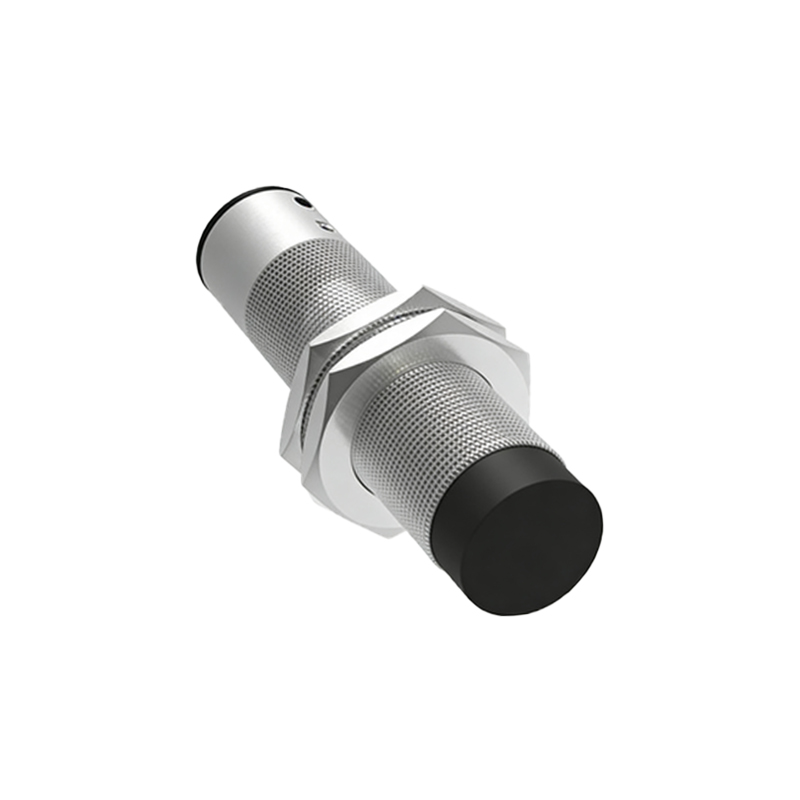
The applications for diffuse reflective sensors are vast and span numerous industries. In packaging and material handling, they count bottles, detect fill levels, or verify the presence of a product on a conveyor. In automotive assembly, they confirm the placement of components like gaskets or clips. In electronics manufacturing, they sense PCBs entering a soldering or testing station. They are used for edge detection on web materials like paper or fabric, and for detecting the presence of objects in automated storage and retrieval systems. Their robustness, when housed in appropriate materials (e.g., stainless steel for washdown environments), allows them to function in challenging conditions, though direct exposure to dust, steam, or heavy spray can interfere with the optical path.
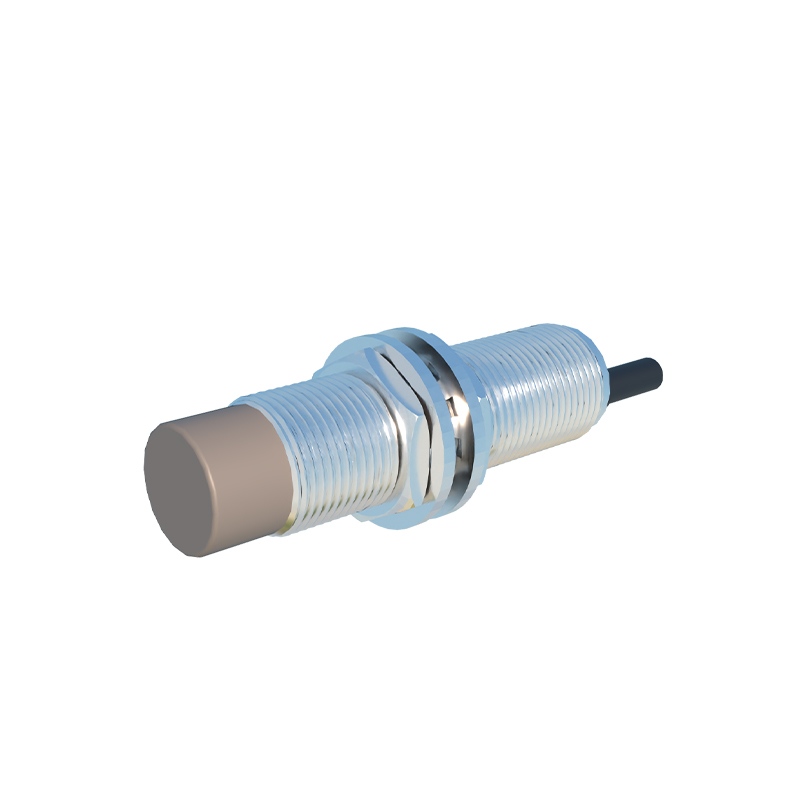
Selecting the right diffuse sensor for an application requires careful consideration of multiple parameters. First, define the target: its size, material, color, and expected surface condition. Next, determine the required sensing distance, applying the appropriate material factor for a reliable safety margin. The sensor's housing material and ingress protection (IP) rating must suit the environment (e.g., IP67 for dust and temporary immersion). Output type (PNP/NPN, analog, IO-Link) must match the control system's input card. Response time is vital for high-speed applications. For challenging detection tasks—such as a dark object against a dark background or needing precise positional control—a sensor with background suppression is highly recommended. Finally, consider form factor (barrel-style, rectangular) and mounting options to fit the mechanical design.
In conclusion, diffuse reflective proximity sensors are indispensable tools in industrial sensing. Their simple yet effective operating principle, combined with technological advancements like background suppression, provides a flexible solution for a multitude of object detection challenges. A thorough understanding of their operating limitations, particularly regarding target reflectance and environmental factors, is essential for successful implementation. By meticulously matching sensor specifications to the application's specific demands, engineers can ensure reliable, maintenance-free operation, contributing to the