In the realm of industrial automation and control systems, the precise detection and interaction with objects are paramount. Two critical components that facilitate this are read/write head sensors and proximity switches. While both serve the purpose of sensing, their operational principles, applications, and advantages differ significantly, making them suitable for distinct scenarios in modern engineering.
Read/write head sensors, often associated with data storage and retrieval, are electromagnetic devices designed to read from or write to magnetic media, such as tapes, disks, or RFID tags. In industrial contexts, these sensors are integral to systems requiring data encoding and decoding. For instance, in automated logistics, read/write heads are used in RFID systems to track inventory by reading and updating information stored on tags attached to products. They operate by generating a magnetic field that interacts with the media, allowing for high-speed data transfer with minimal physical contact. This non-contact nature reduces wear and tear, enhancing longevity and reliability in harsh environments like manufacturing floors or warehouses. Key features include high accuracy in data handling, immunity to dust and moisture when properly sealed, and the ability to function in dynamic settings where objects move rapidly. However, their effectiveness can be limited by distance and alignment requirements, necessitating precise installation.
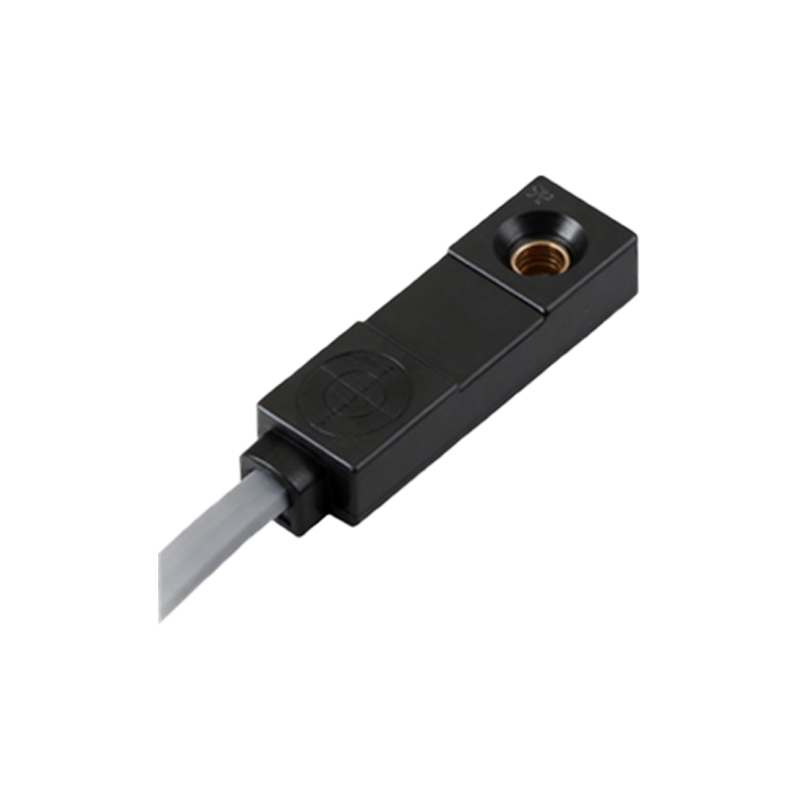
On the other hand, proximity switches are sensors that detect the presence or absence of an object without physical contact, using various technologies such as inductive, capacitive, ultrasonic, or optical methods. Inductive proximity switches, for example, are commonly used in metal detection applications. They generate an electromagnetic field and trigger a switch when a metallic object enters this field, making them ideal for positioning control in machinery or safety interlocks. Capacitive versions can detect non-metallic materials like plastics or liquids, expanding their utility in packaging or fluid level monitoring. Proximity switches are prized for their robustness, fast response times, and simplicity in integration with PLCs (Programmable Logic Controllers). They are often deployed in environments where durability is crucial, such as in automotive assembly lines or material handling systems, where they ensure smooth operations by preventing collisions or enabling automated sequences. Unlike read/write heads, proximity switches do not typically handle data storage but focus on binary detection—whether an object is present or not—which simplifies their design and reduces cost for basic sensing tasks.
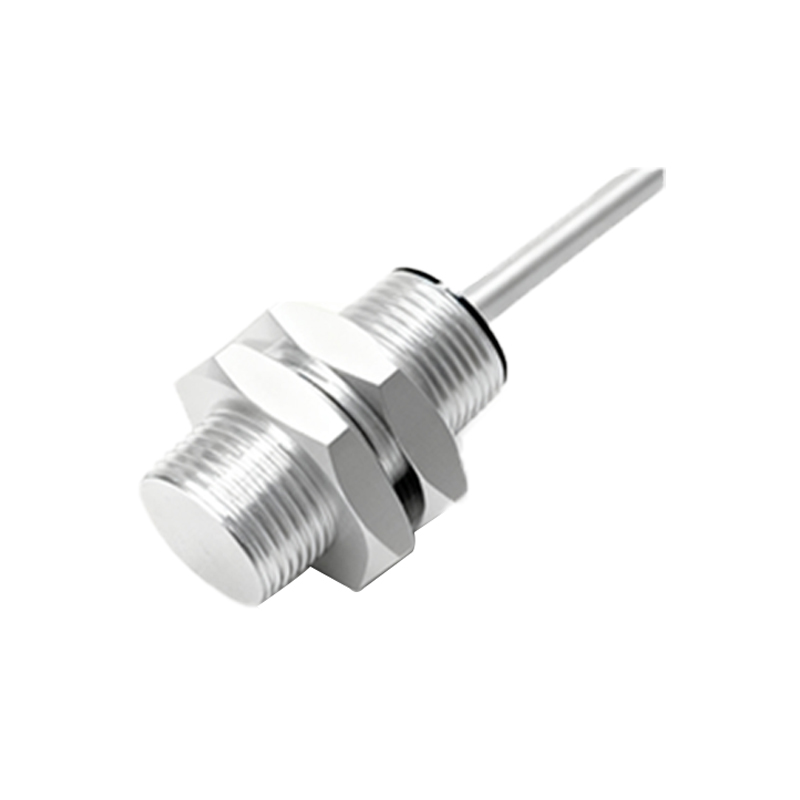
The choice between read/write head sensors and proximity switches hinges on the specific application requirements. Read/write heads excel in scenarios demanding data interaction, such as in smart manufacturing where product information needs to be logged or updated in real-time. For example, in an automated production line, a read/write head might be used to encode serial numbers onto RFID tags embedded in components, enabling traceability throughout the supply chain. In contrast, proximity switches are more suited for tasks like object counting, limit switching, or presence detection where no data exchange is necessary. A typical use case involves a proximity switch detecting when a pallet reaches a certain point on a conveyor belt, triggering the next action in the process.
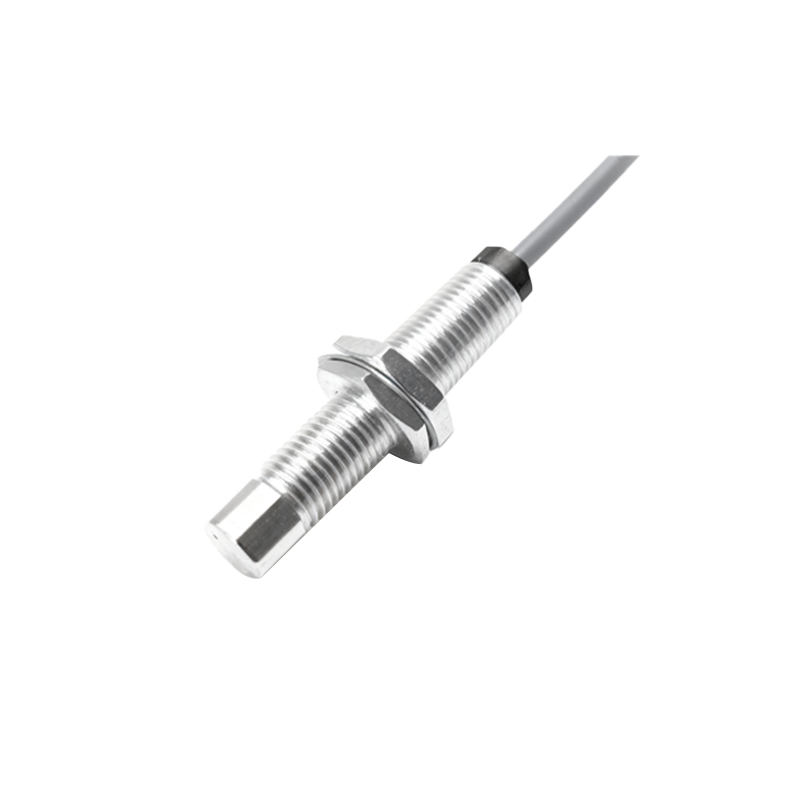
From an engineering perspective, integrating these sensors requires careful consideration of factors like environmental conditions, response speed, and maintenance needs. Read/write heads may demand more complex wiring and programming due to their data-centric functions, while proximity switches often offer plug-and-play compatibility. Both, however, contribute to enhanced efficiency and safety in industrial setups. As technology advances, hybrid systems are emerging, combining elements of both for smarter automation solutions. For instance, some modern sensors incorporate proximity detection with RFID capabilities, allowing for simultaneous object sensing and data communication.
In summary, read/write head sensors and proximity switches are indispensable tools in the electrical and automation industries. Understanding their distinct roles—read/write heads for data-driven applications and proximity switches for presence detection—enables engineers to optimize system designs. By selecting the appropriate sensor based on operational needs, industries can achieve higher productivity, reduced downtime, and improved reliability, driving innovation in an increasingly automated world.