In the rapidly evolving landscape of industrial automation and smart manufacturing, proximity sensors have become indispensable components. These non-contact devices detect the presence or absence of objects with high precision, enabling seamless operations in robotics, automotive assembly, packaging, and countless other sectors. As demand surges for efficiency and reliability, identifying the leading manufacturers becomes crucial for engineers and procurement specialists. This article provides an authoritative ranking of the top proximity sensor companies based on technological innovation, market share, product portfolio, and global service capabilities.
First on the list is Sick AG, a German powerhouse renowned for its cutting-edge sensor solutions. Sick's proximity sensors, particularly in the inductive and capacitive categories, are celebrated for their robustness, exceptional sensing ranges, and resilience in harsh environments. Their focus on Industry 4.0 integration and IO-Link communication capabilities sets a high industry standard. Following closely is Omron Corporation from Japan. Omron's extensive lineup, including its renowned E2E series inductive sensors and photoelectric variants, offers unparalleled versatility. The company's strength lies in its miniaturization technology and advanced features like noise immunity and embedded diagnostics, making them a preferred choice for high-density electronic assembly lines.
Pepperl+Fuchs, another German leader, secures a top position with its specialized expertise in intrinsic safety and hazardous location sensors. Their proximity sensors are engineered for extreme conditions found in chemical, oil, and gas industries. The company's innovative designs often incorporate modularity and long service life, reducing total cost of ownership. From the United States, Rockwell Automation (Allen-Bradley) stands out for its seamless integration within broader control systems. Their sensors are optimized for use with Rockwell's PLCs and networking products, providing a cohesive ecosystem for large-scale industrial automation projects, which is a significant advantage for system integrators.
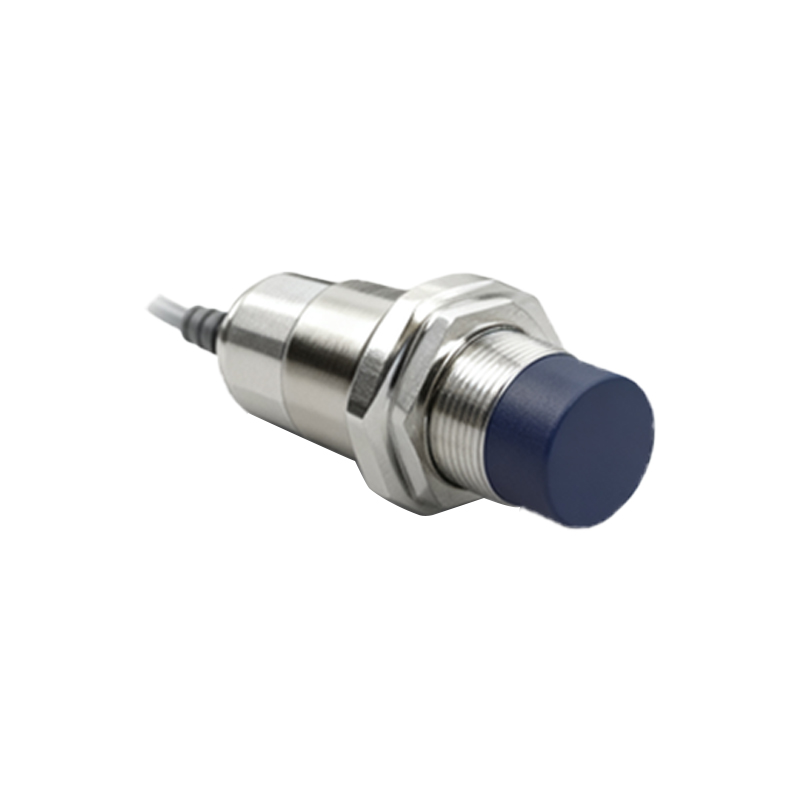
Balluff GmbH, a German sensor specialist, is highly regarded for its precision and innovation in RFID and sensor technology. Their proximity sensors are known for high switching frequencies and compact housings, ideal for modern, space-constrained machinery. Balluff's strong global distribution and technical support network further enhance its market position. IFM Electronic, also from Germany, impresses with its user-friendly design and diagnostic capabilities. IFM's sensors often feature visible LED indicators and advanced condition monitoring functions, simplifying maintenance and predictive upkeep strategies.
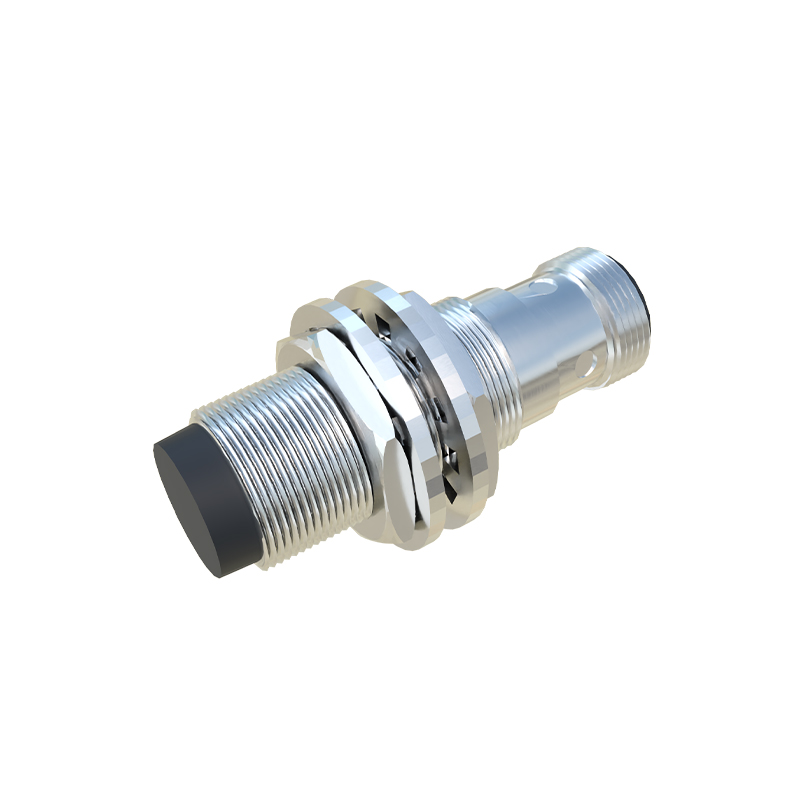
Keyence Corporation of Japan distinguishes itself through ultra-high-performance and specialized sensors. While often positioned at a premium, Keyence's products offer groundbreaking sensing distances and resolutions. Their strong application engineering support helps clients solve complex detection challenges, from tiny electronic components to large metallic objects. Turck, a German multinational, offers a remarkably broad portfolio of proximity sensors, including those with extended temperature ranges and high-pressure resistance. Their expertise in connector technology and network interfaces (like PROFINET and EtherNet/IP) makes them a versatile partner for diverse industrial applications.
Panasonic Corporation (Industrial Devices Division) from Japan leverages its electronics mastery to produce reliable and cost-effective inductive and photoelectric sensors. They are a major supplier to the automotive and consumer electronics manufacturing sectors. Finally, Schneider Electric (Telemecanique Sensors) from France rounds out the list with its robust and globally available sensor range. Known for durability and straightforward installation, their sensors are a staple in general industrial automation and building management systems.
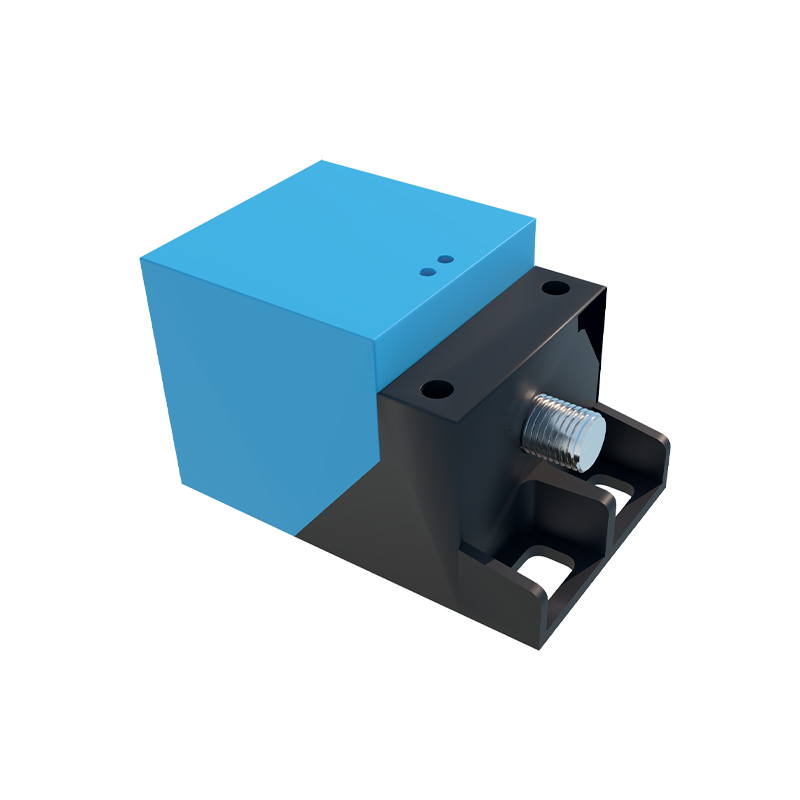
The competitive landscape is driven by trends like miniaturization, enhanced connectivity (IIoT), and improved energy efficiency. While European and Japanese firms currently dominate in terms of technological depth and specialization, companies worldwide are making significant strides. The choice of a supplier ultimately depends on specific application requirements, environmental conditions, required certifications (e.g., ATEX, IECEx), and the need for system integration. These top-tier companies not only provide the hardware but also contribute critical application knowledge, driving the future of automated sensing solutions.