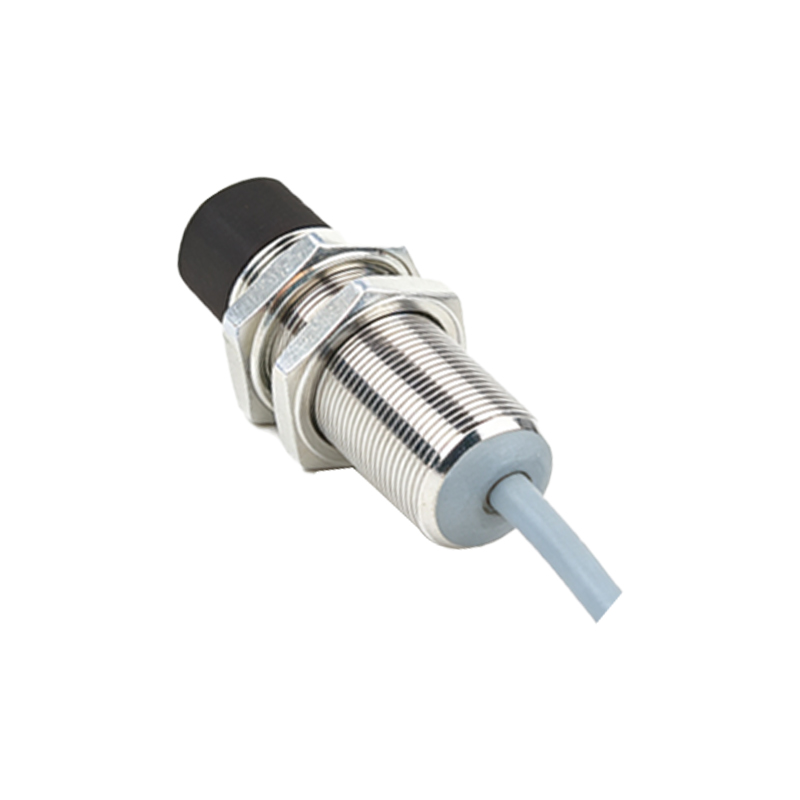
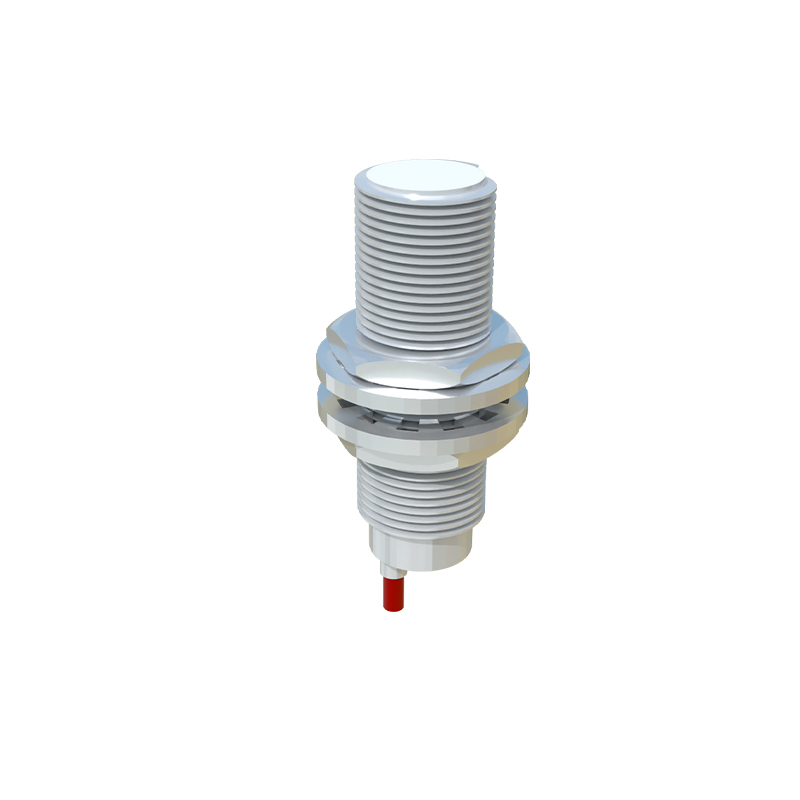
In the intricate world of industrial automation, the seamless and reliable operation of machinery hinges on a fundamental capability: the ability to detect. At the heart of this capability lies a class of devices often overlooked yet indispensable—proximity sensors. These non-contact sensing components are the silent sentinels of the factory floor, providing the critical data that drives control systems, ensures safety, and optimizes efficiency. Their role extends far beyond simple detection; they are enablers of precision, reliability, and intelligent automation.
A proximity sensor, by definition, is a device that detects the presence or absence of an object within a specified range without physical contact. This non-contact nature is its primary advantage, eliminating mechanical wear and tear, reducing maintenance needs, and allowing for high-speed operation. The operating principle varies by type, with inductive, capacitive, ultrasonic, and photoelectric sensors being the most prevalent. Inductive sensors, for instance, generate an electromagnetic field to detect metallic objects, making them ideal for counting metal parts on a conveyor or confirming the position of a robotic arm. Capacitive sensors can detect both metallic and non-metallic materials, including liquids and powders, by sensing changes in capacitance. This versatility is crucial in industries like food processing or packaging. Ultrasonic sensors use sound waves to measure distance or detect objects, excelling in challenging environments with dust or vapor. Photoelectric sensors, utilizing light beams, offer long-range detection and are perfect for transparent object detection or precise positioning.
The applications of proximity sensors are as diverse as industry itself. In automotive manufacturing, they ensure robotic welders are in the correct position before initiating a weld, preventing costly errors and damage. On assembly lines, they count products, control sorting gates, and verify that components are present before the next manufacturing step. In material handling, they prevent collisions by detecting the position of cranes, automated guided vehicles (AGVs), and elevator doors. Perhaps one of their most critical roles is in safety. Safety light curtains, essentially arrays of photoelectric sensors, create an invisible protective barrier around hazardous machinery. If the beam is broken, the system immediately halts operation, preventing potential injuries. This function is paramount in compliance with stringent international safety standards like ISO 13849.
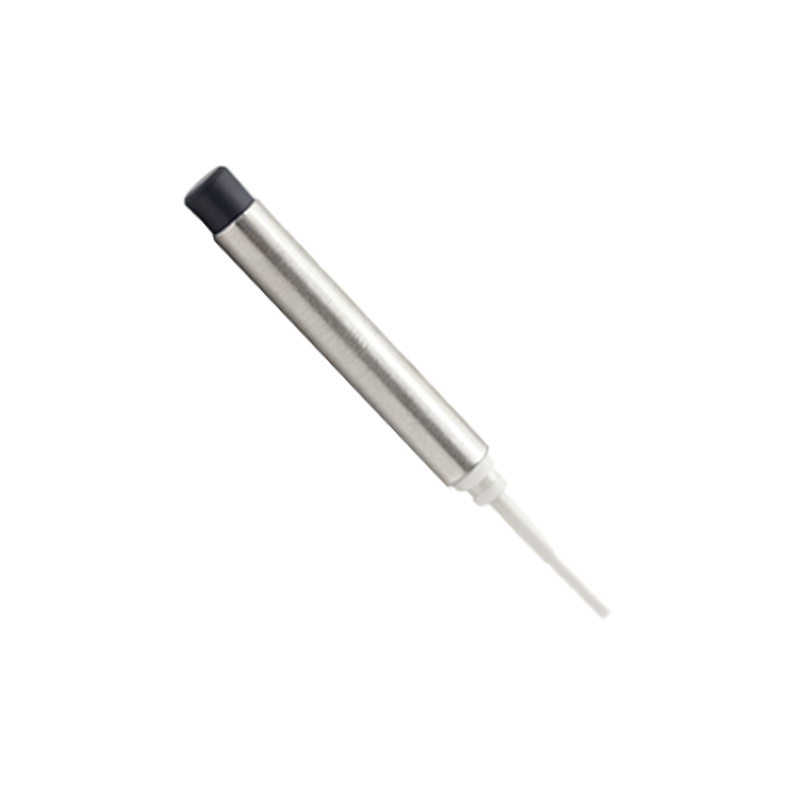
Furthermore, the integration of proximity sensors with Programmable Logic Controllers (PLCs) and Industrial Internet of Things (IIoT) systems marks a leap towards Industry 4.0. Modern sensors often come with IO-Link communication, a point-to-point serial connection that goes beyond simple on/off signals. IO-Link enables the bidirectional exchange of detailed parameter and diagnostic data. A sensor can now report not just "object detected," but also its own operating temperature, signal strength, or even predict maintenance needs based on performance drift. This data richness allows for predictive maintenance, reducing unplanned downtime, and enables finer process control and optimization. For example, a capacitive sensor monitoring a liquid level can provide continuous analog data to a control system, allowing for precise dosing rather than simple full/empty alerts.
The selection of the appropriate proximity sensor is a nuanced engineering decision. Factors such as the sensing distance (rated operating distance), the target material, the required switching frequency, environmental conditions (temperature, pressure, exposure to chemicals or washdowns), and the electrical output type (PNP/NPN, analog, IO-Link) must all be carefully considered. An inductive sensor chosen for a dusty metal-cutting environment, for instance, must have a robust housing and be immune to airborne metallic particles. Similarly, a sensor in a food and beverage plant may require a stainless-steel housing and specific ingress protection (IP) ratings for frequent cleaning.
In conclusion, proximity sensors are far more than simple switches. They are the foundational sensory organs of automated systems, translating physical presence into actionable electrical signals. Their evolution from basic detection devices to smart, communicative components mirrors the evolution of industry itself—towards greater intelligence, efficiency, and safety. For any engineer designing, maintaining, or optimizing an industrial system, a deep understanding of proximity sensor technology is not merely beneficial; it is essential. They enable the precise, reliable, and data-driven operations that define modern manufacturing and automation, proving that sometimes, the most critical components are those you never see—or touch.