Capacitive proximity sensors are widely utilized in industrial environments for non-contact detection of various materials, including liquids. Unlike inductive sensors that primarily detect metals, capacitive sensors can sense a broad range of substances by measuring changes in capacitance. The fundamental principle involves an oscillator circuit that generates an electrostatic field. When a target object, such as a liquid, enters this field, it alters the dielectric constant, causing a measurable change in capacitance. This change triggers the sensor's output switch, signaling the presence or absence of the liquid.
A key advantage of capacitive sensors in liquid detection is their ability to function through non-metallic container walls, such as plastic or glass. This allows for non-invasive level monitoring without direct contact with the liquid itself. Common applications include detecting the fill level in tanks, bottles, or pipelines, preventing overflows or dry running of pumps. They are particularly effective for monitoring conductive liquids like water, acids, or bases, as these cause a more pronounced capacitive shift. However, with proper calibration, they can also detect non-conductive liquids such as oils, solvents, or fuels by sensing the change in the dielectric properties.
When selecting a capacitive sensor for a liquid detection task, several critical factors must be considered. The dielectric constant (εr) of the liquid is paramount; higher values generally yield stronger signals. Environmental conditions like temperature fluctuations, humidity, and the presence of dust or foam can influence performance. Modern sensors often feature sensitivity adjustment potentiometers, allowing engineers to fine-tune the sensing range and ignore the container wall's influence. The sensor's housing material is also vital, with options like PTFE (Teflon) or PVDF recommended for aggressive chemicals to ensure long-term reliability and prevent corrosion.
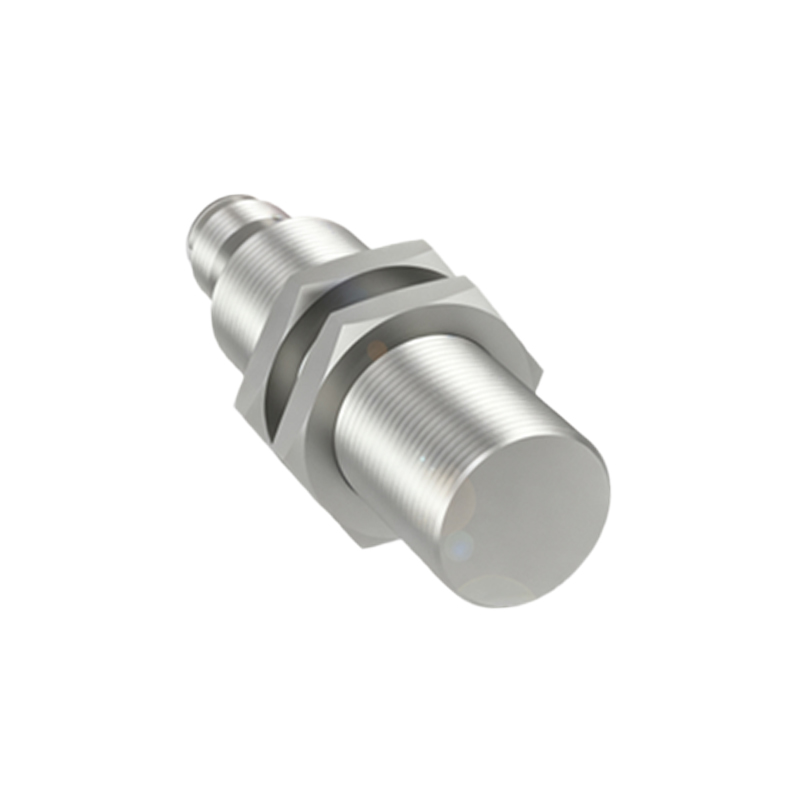
Installation and calibration are crucial steps. The sensor should be mounted securely, with consideration for the container's material and thickness. False triggering can occur if the sensor is too sensitive to background objects or container vibrations. Proper shielding and grounding are essential to minimize electrical noise interference in industrial settings. Many advanced models now incorporate temperature compensation and built-in diagnostics to enhance stability in challenging conditions.
In summary, capacitive proximity sensors offer a versatile and reliable solution for liquid presence and level detection across numerous industries, from food and beverage processing to chemical manufacturing and water treatment. Their non-contact nature, adaptability to various container materials, and ability to detect both conductive and non-conductive liquids make them indispensable in modern automation and process control systems. Ongoing advancements in microelectronics continue to improve their accuracy, robustness, and integration capabilities with industrial networks like IO-Link, paving the way for smarter, more connected liquid management solutions.