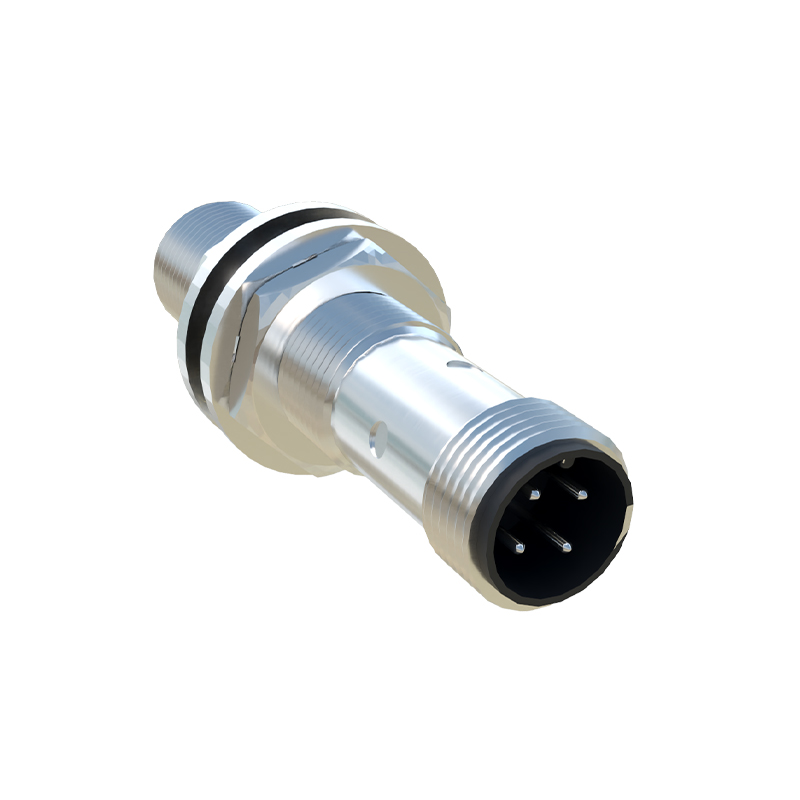
In the realm of industrial automation, proximity sensors play a pivotal role in detecting the presence or absence of objects without physical contact. Among the diverse types available, two-wire proximity sensors stand out for their simplicity and efficiency, particularly in applications where space and wiring complexity are critical constraints. Unlike their three-wire or four-wire counterparts, which require separate power and signal lines, two-wire sensors integrate both functions into a single pair of wires, making them an ideal choice for streamlined installations.
The fundamental operation of a two-wire proximity sensor relies on the principle of electromagnetic induction or capacitive sensing, depending on the target material. Inductive sensors, for instance, generate an oscillating electromagnetic field to detect metallic objects, while capacitive variants can sense both metallic and non-metallic materials by measuring changes in capacitance. In a two-wire configuration, the sensor modulates the current flow through the same wires used for power supply, typically within a 4-20 mA or 10-30 V DC range. This current modulation corresponds to the sensor's output state—such as a high current indicating object detection and a low current signaling no detection—allowing seamless integration with programmable logic controllers (PLCs) and other control systems.
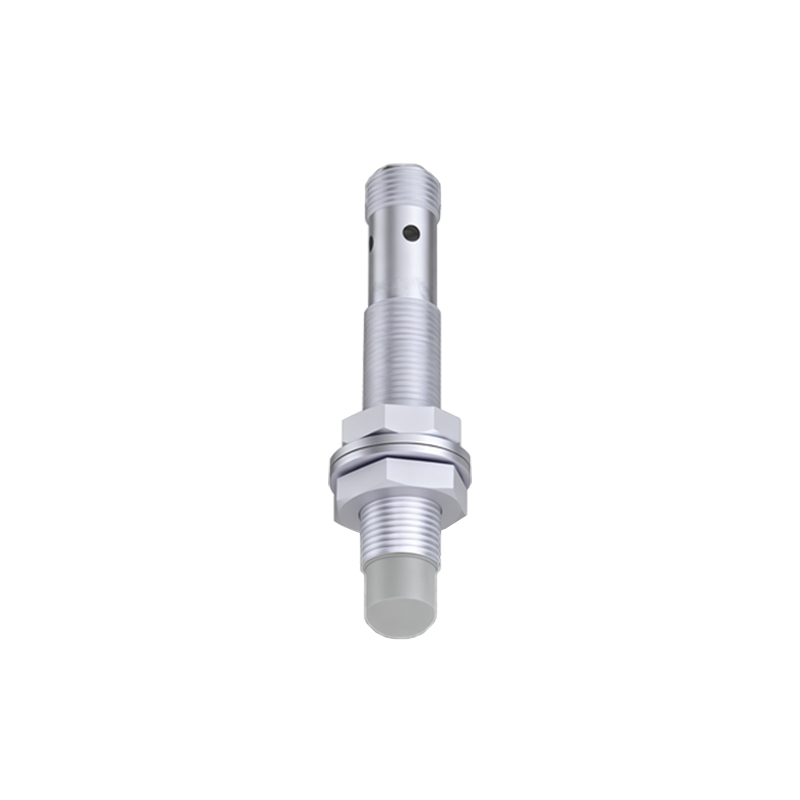
One of the key advantages of two-wire proximity sensors is their reduced wiring complexity. In large-scale industrial setups, minimizing cable runs and connection points not only cuts installation costs but also enhances system reliability by reducing potential failure points. Additionally, these sensors often feature built-in protection against short circuits, overloads, and reverse polarity, ensuring durability in harsh environments like manufacturing floors or outdoor facilities. Their compact design further enables deployment in tight spaces where traditional sensors might not fit, supporting applications ranging from conveyor belt monitoring to robotic arm positioning.
However, it's essential to consider the limitations of two-wire sensors. They typically have lower switching frequencies compared to multi-wire models, which may affect performance in high-speed operations. Also, the voltage drop across the sensor can influence the load current, necessitating careful circuit design to avoid false triggers. Engineers must evaluate factors like sensing distance, environmental conditions (e.g., temperature, humidity, and electromagnetic interference), and compatibility with existing control interfaces when selecting these sensors.
In practice, two-wire proximity sensors are widely used in industries such as automotive, packaging, and material handling. For example, in an assembly line, they can detect components on a moving belt, triggering subsequent actions like sorting or welding. Their robustness and ease of maintenance make them a cost-effective solution for continuous operations, contributing to improved productivity and safety. As automation technology evolves, advancements in two-wire sensor design—such as enhanced sensitivity and digital communication capabilities—are expected to broaden their applicability, reinforcing their status as a cornerstone in modern industrial systems.
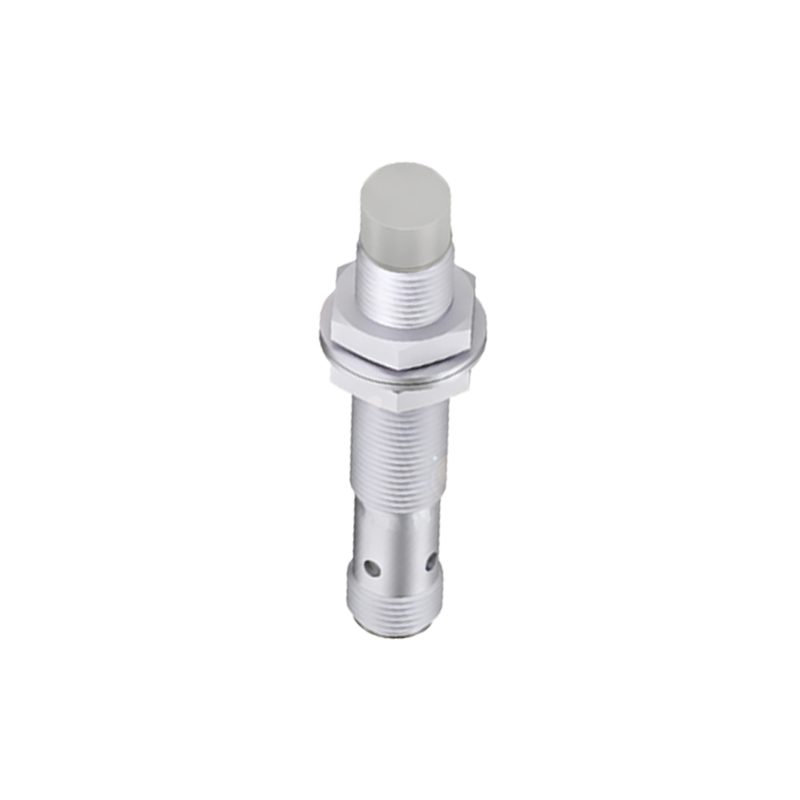
Overall, two-wire proximity sensors offer a balance of simplicity and functionality, addressing the growing demand for efficient automation solutions. By understanding their operational principles and practical considerations, engineers can leverage these devices to optimize processes, reduce downtime, and achieve higher levels of precision in diverse industrial settings.