Proximity sensors are critical components in industrial automation, providing non-contact detection of metallic or non-metallic objects. However, sensor burnout remains a frequent issue that disrupts production lines and increases maintenance costs. Understanding the root causes is essential for preventing failures and ensuring operational reliability.
One primary cause of proximity sensor burnout is electrical overload. This often occurs due to voltage spikes or transient surges in the power supply. Industrial environments are prone to electrical noise, such as from motor starters, welding equipment, or lightning strikes. Without proper protection like surge suppressors or voltage regulators, these spikes can exceed the sensor's rated voltage, leading to overheating and eventual failure. Additionally, incorrect wiring—such as connecting AC sensors to DC power sources or vice versa—can cause immediate damage. Always verify the sensor's specifications and ensure compatibility with the power system.
Another common factor is excessive current draw. Proximity sensors are designed to handle specific load currents. If the connected load, such as a relay or solenoid, draws more current than the sensor's maximum rating, it can overheat the internal circuitry. This is particularly problematic in short-circuit scenarios where fault currents surge uncontrollably. Implementing fuses or circuit breakers rated for the sensor's capacity can mitigate this risk. Regular inspection of connected loads and wiring integrity is also crucial.
Environmental conditions play a significant role in sensor longevity. High ambient temperatures can cause thermal stress, especially if sensors are installed near heat sources like furnaces or engines. Prolonged exposure may degrade insulation materials and electronic components, leading to burnout. Similarly, moisture, dust, or chemical contaminants can corrode contacts or create short circuits. Selecting sensors with appropriate IP (Ingress Protection) ratings for the operating environment—such as IP67 for dust and water resistance—is vital. Additionally, proper sealing and enclosures can shield sensors from harsh conditions.
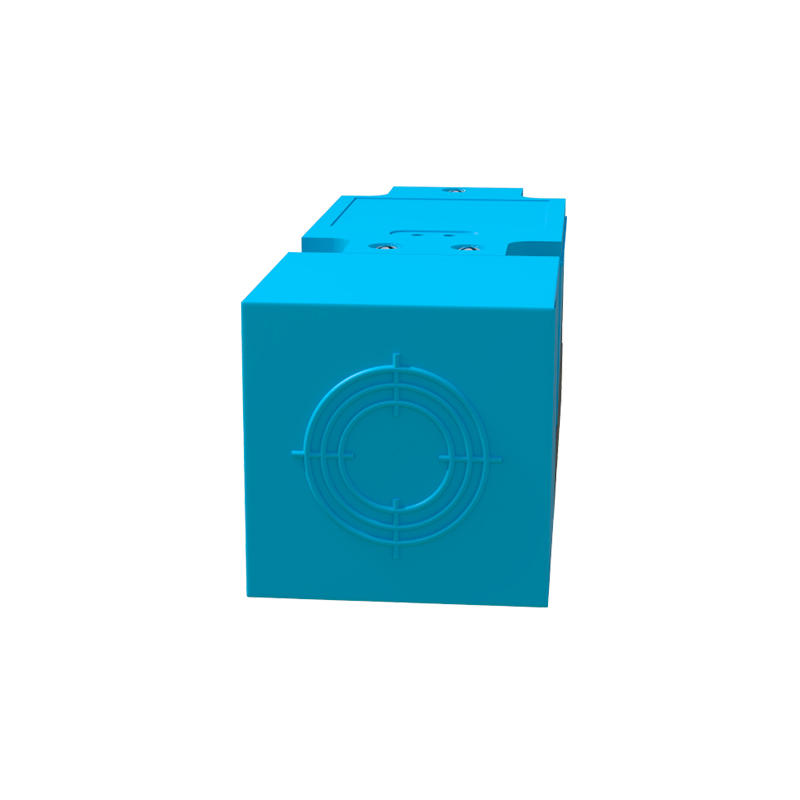
Mechanical stress and improper installation are often overlooked culprits. Vibration from machinery can loosen electrical connections, causing arcing or intermittent contacts that generate excess heat. Mounting sensors too close to moving parts may lead to physical damage or misalignment, forcing them to operate outside designed parameters. Ensure sensors are securely fastened using vibration-resistant mounts and follow manufacturer guidelines for clearance distances.
Lastly, manufacturing defects or component aging can contribute to burnout. Over time, internal elements like capacitors or transistors may degrade, reducing the sensor's ability to handle electrical stress. While less common, substandard materials or assembly errors can accelerate failure. Sourcing sensors from reputable manufacturers and adhering to scheduled maintenance—including testing insulation resistance and output signals—helps identify early signs of wear.
To prevent proximity sensor burnout, adopt a proactive approach. Use protective devices such as varistors or RC networks to suppress voltage spikes. Ensure correct wiring and grounding practices to minimize electrical interference. Monitor environmental factors and choose sensors with suitable ratings for temperature, humidity, and chemical exposure. Regularly inspect installations for mechanical integrity and replace aging sensors before they fail. By addressing these causes systematically, industries can enhance sensor durability, reduce downtime, and optimize automation systems.
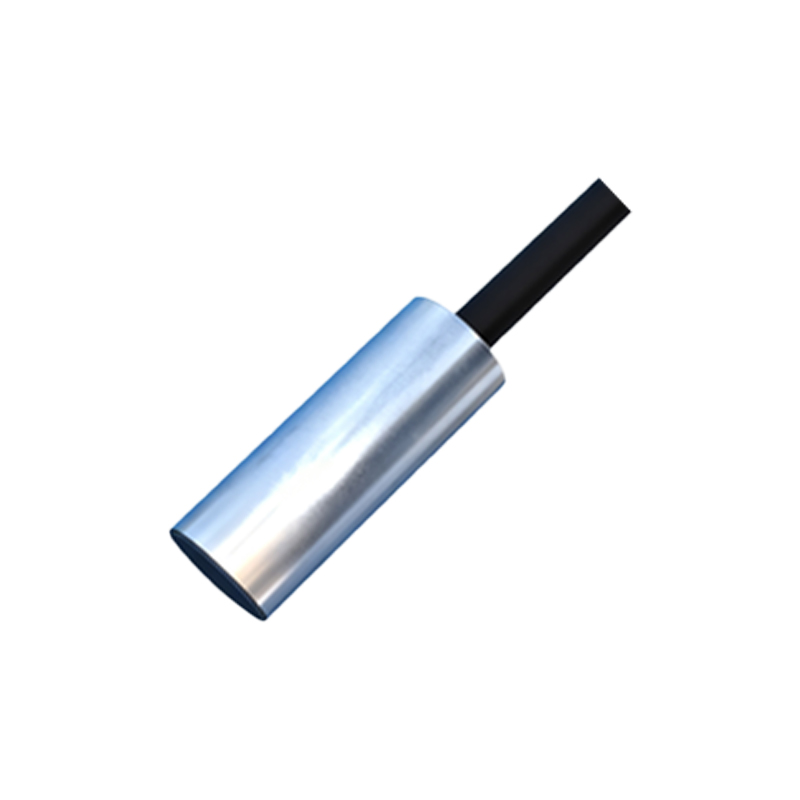
In summary, proximity sensor burnout typically stems from electrical overloads, excessive current, harsh environments, mechanical issues, or aging components. A combination of proper selection, installation, and maintenance is key to mitigating these risks and ensuring long-term performance in industrial applications.