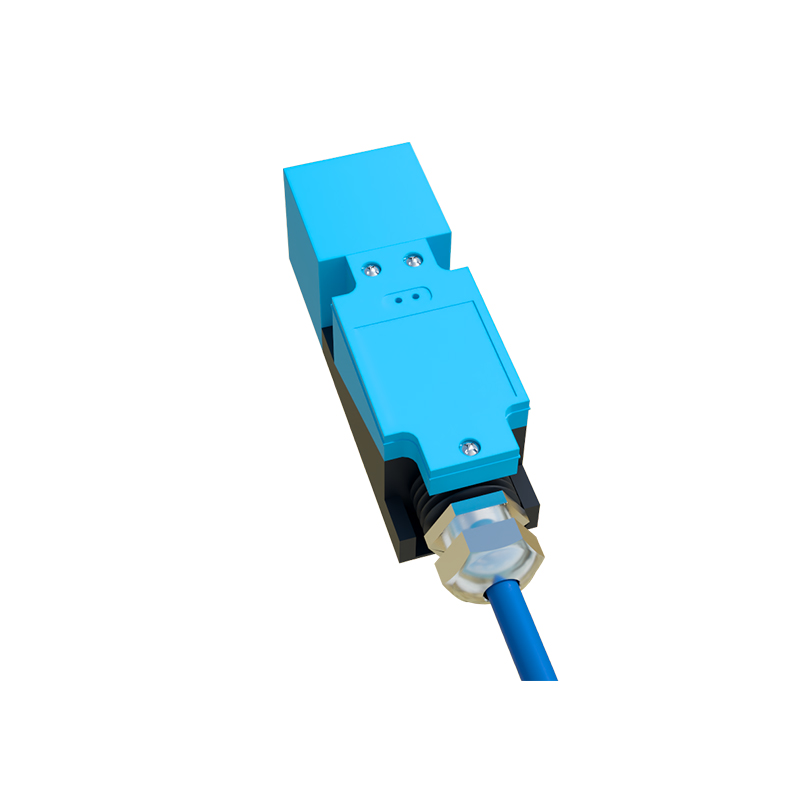
In the realm of industrial automation, inductive proximity switch sensors stand as fundamental components, enabling non-contact detection of metallic objects with high reliability and precision. The manufacturing of these sensors is a sophisticated process that blends advanced electronics, precision engineering, and stringent quality control. This article delves into the operations of a modern inductive proximity switch sensor production facility, outlining the key stages from design to final testing.
The journey begins in the Research and Development (R&D) department. Here, engineers utilize sophisticated CAD and simulation software to design sensor cores, oscillator circuits, and signal evaluation units. Key parameters such as sensing range, switching frequency, temperature tolerance, and housing material (often nickel-plated brass, stainless steel, or PBT plastic) are meticulously defined. Prototypes are built and subjected to rigorous environmental and functional tests to validate design integrity before mass production commences.
Core manufacturing is a critical phase. The heart of an inductive sensor is its ferrite core and coil assembly. Automated winding machines precisely wind copper wire onto the ferrite core to create the oscillator coil. This process requires extreme precision to ensure consistent inductance values, which directly impact the sensor's performance and sensing distance. The wound cores are then potted with a specialized epoxy resin to protect against moisture, vibration, and chemical exposure.
The electronic assembly line is where the sensor comes to life. Surface-Mount Technology (SMT) lines populate printed circuit boards (PCBs) with micro-components like oscillators, amplifiers, and output switching elements (transistors or ICs). High-speed pick-and-place machines and reflow soldering ovens ensure accurate, reliable connections. The populated PCB is then integrated with the potted coil assembly. For many models, this sub-assembly is further encapsulated in a protective housing, creating a hermetically sealed unit that is immune to harsh industrial environments.
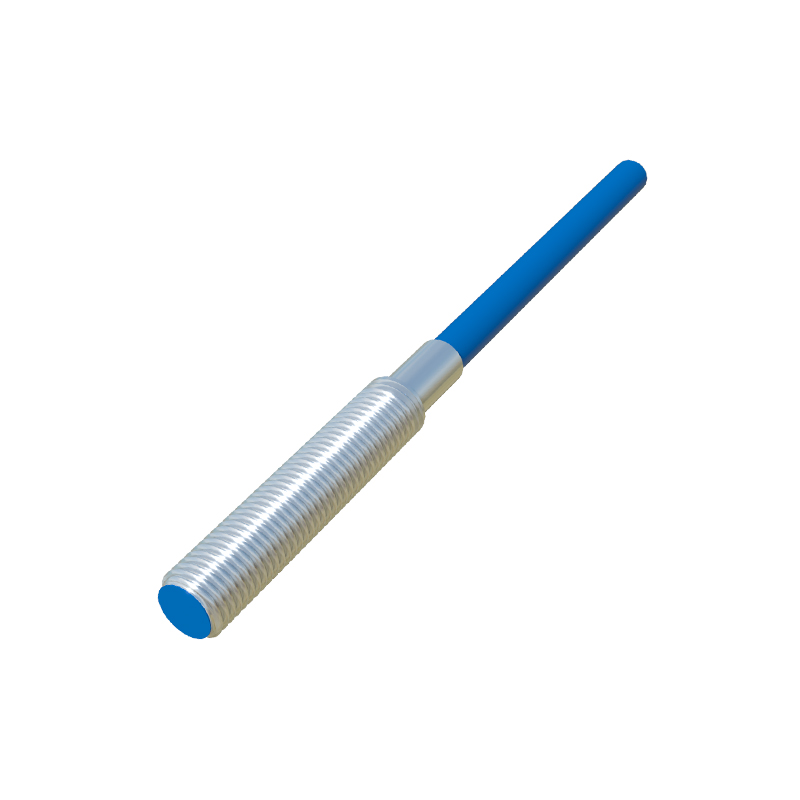
Calibration and programming follow assembly. Each sensor must be calibrated to its specified nominal sensing distance. Automated test stations apply standardized metal targets (typically steel) and adjust internal potentiometers or program EEPROMs to ensure every unit meets exact specifications. This stage also involves programming output types (PNP/NPN, NO/NC) and, for advanced models, setting parameters like hysteresis and response time.
Quality assurance is not a single step but an integrated philosophy throughout the factory. Incoming materials undergo inspection for compliance with specifications. In-process checks monitor critical parameters like coil resistance and PCB functionality. The final 100% testing is the most comprehensive. Sensors pass through automated test rigs that simulate real-world conditions: they are checked for switching accuracy, repeatability, temperature cycling performance, resistance to electrical noise (EMC), and ingress protection (IP rating) against dust and water. Only sensors passing all these stringent tests are approved for shipment.
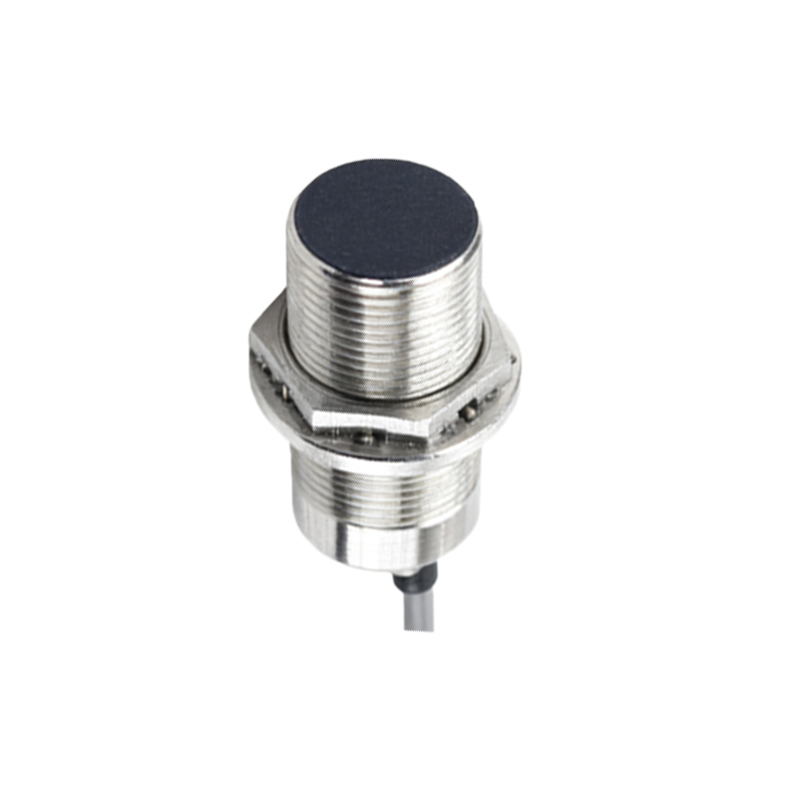
A modern manufacturing plant also emphasizes sustainability and efficiency. Lean manufacturing principles minimize waste, while automated optical inspection (AOI) systems reduce human error. The facility likely employs robust ERP and MES systems to track every component and finished product, ensuring full traceability—a crucial requirement for automotive and aerospace industries.
In conclusion, a state-of-the-art inductive proximity sensor factory is a symphony of precision engineering, automated processes, and uncompromising quality control. It transforms raw materials into robust, intelligent devices that form the sensory backbone of countless automated systems worldwide, from packaging machines and robotic arms to automotive assembly lines. The relentless focus on consistency, durability, and performance within these plants is what makes modern industrial automation both possible and reliable.