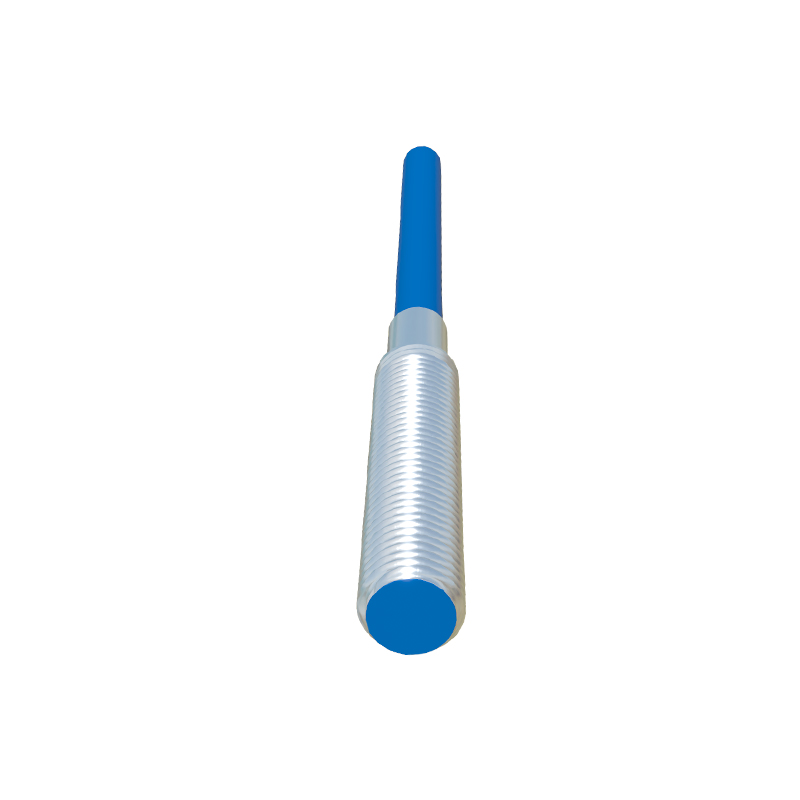
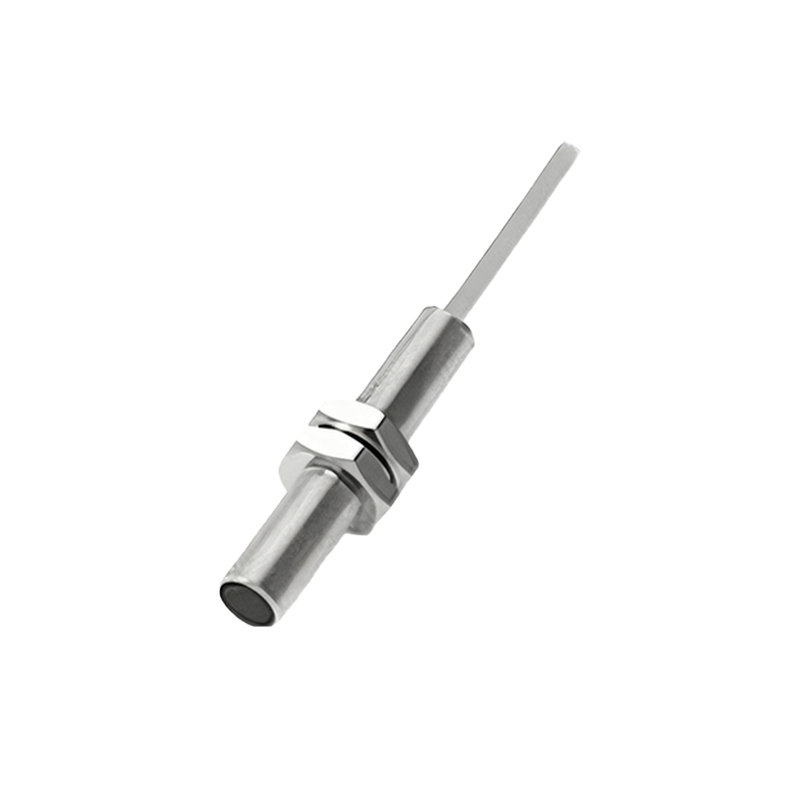
Magnetic proximity sensors are indispensable components in modern industrial automation, offering reliable non-contact detection of ferromagnetic objects. These sensors operate based on the principle of detecting changes in a magnetic field, typically utilizing reed switches, Hall effect elements, or magnetoresistive technologies. One of their standout features is their exceptional durability. Since they have no mechanical moving parts in the sensing element, they are highly resistant to wear, vibration, and shock, ensuring a long operational lifespan even in harsh environments. This makes them ideal for heavy-duty applications in manufacturing, material handling, and automotive assembly lines.
Another significant characteristic is their insensitivity to environmental contaminants. Unlike optical sensors, magnetic sensors are not affected by dust, dirt, oil, or moisture. This allows for consistent performance in foundries, welding shops, or outdoor settings where cleanliness cannot be guaranteed. Their sealed housings, often rated IP67 or higher, provide additional protection against liquid ingress.
The installation and setup of magnetic proximity sensors are notably straightforward. They typically consist of two parts: the sensor itself and a separate actuator (a permanent magnet). This separation allows for flexible mounting, as only the actuator needs to be attached to the moving target. Alignment is generally less critical than with other sensor types, simplifying maintenance and reducing downtime. Furthermore, many models offer a wide operating temperature range, functioning reliably from -40°C to over 100°C, which is crucial for extreme industrial climates.
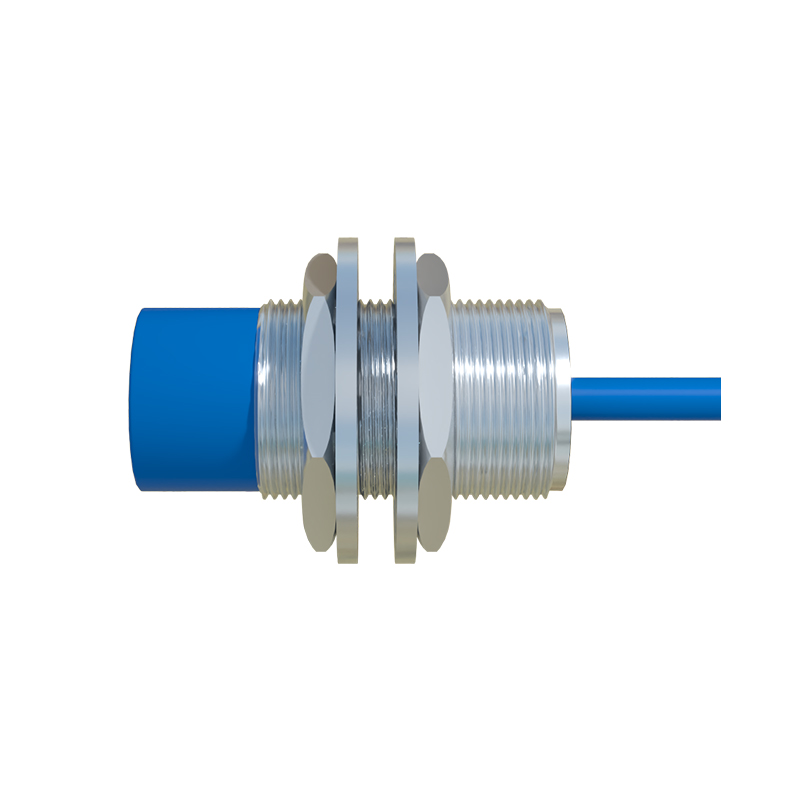
In terms of electrical performance, these sensors provide stable switching signals. They are known for their high switching frequency and fast response times, enabling precise detection in high-speed processes like packaging or sorting. Modern versions incorporate advanced diagnostics and IO-Link communication, facilitating predictive maintenance and seamless integration into Industry 4.0 networks. Their ability to work through non-ferrous materials like aluminum, plastic, or stainless steel also allows for innovative design solutions, enabling hidden installation for aesthetic or protective purposes.
A key application area is in position sensing for cylinders in pneumatic and hydraulic systems. Here, magnetic sensors reliably detect the piston position without physical contact, a critical function for sequence control. They are also extensively used for speed monitoring (e.g., detecting gear teeth), end-of-travel detection on linear actuators, and safety interlocks on doors or guards. The variety of housing shapes (tubular, rectangular, ring-shaped) and output types (PNP, NPN, analog, Namur) ensures a suitable model for virtually any control system requirement.
While highly effective for ferrous metals, it is important to note their limitation: they generally cannot detect non-magnetic materials like brass, aluminum, or plastics. Therefore, proper material selection for the target is essential. Overall, the combination of robustness, environmental immunity, simple integration, and versatile design solidifies the magnetic proximity sensor's role as a fundamental and reliable workhorse in industrial sensing technology.