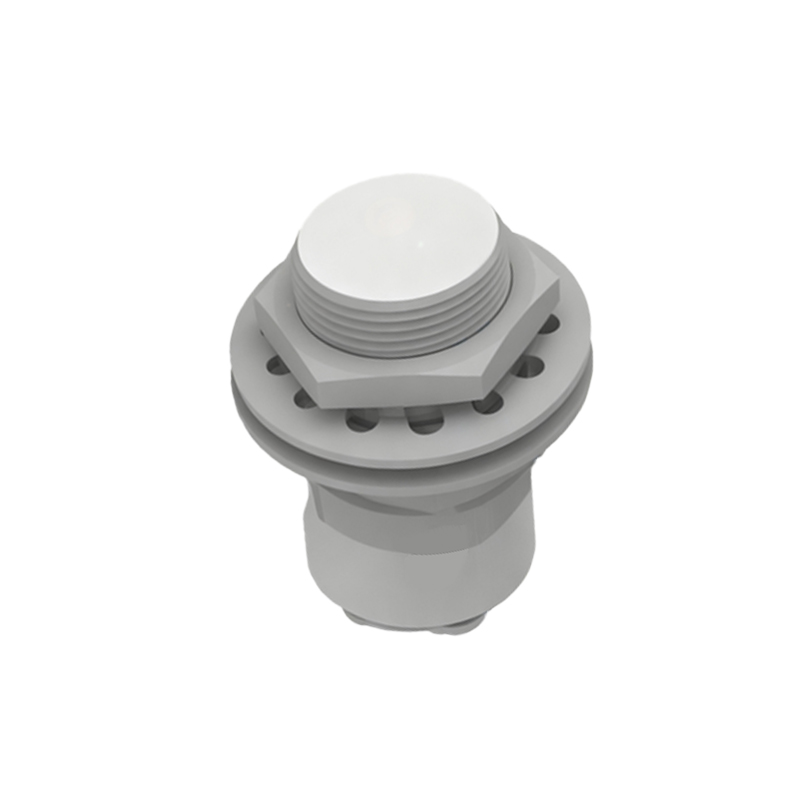
Metal proximity sensors are indispensable components in modern industrial automation, offering non-contact detection of metallic objects. These sensors operate based on electromagnetic principles, generating an oscillating field that interacts with metallic targets to trigger detection. One of the most prominent features is their high reliability, as they lack moving parts, reducing wear and tear in harsh environments like manufacturing floors or robotic systems. This durability ensures consistent performance even under extreme conditions, including exposure to dust, moisture, or temperature fluctuations.
Another critical characteristic is the sensing range, which varies depending on the sensor type and target material. Typically, these sensors can detect ferrous metals at greater distances compared to non-ferrous metals, with ranges extending from a few millimeters to several centimeters. The response time is exceptionally fast, often in milliseconds, enabling real-time control in high-speed applications such as conveyor belts or assembly lines. This speed minimizes production delays and enhances operational efficiency.
Metal proximity sensors also exhibit excellent repeatability, meaning they consistently detect targets at the same position with minimal deviation. This precision is vital for tasks requiring accurate positioning, like part counting or machine tool alignment. Additionally, many models feature adjustable sensitivity, allowing customization for specific metals or environmental interferences. This flexibility helps prevent false triggers from non-target materials or background noise.
The construction of these sensors often includes robust housing materials like stainless steel or nickel-plated brass, providing resistance to mechanical impacts and corrosion. Some variants are designed with embedded LEDs for visual status indication, simplifying installation and maintenance. Furthermore, they support various output configurations, such as NPN, PNP, or analog signals, ensuring compatibility with diverse control systems like PLCs or microcontrollers.
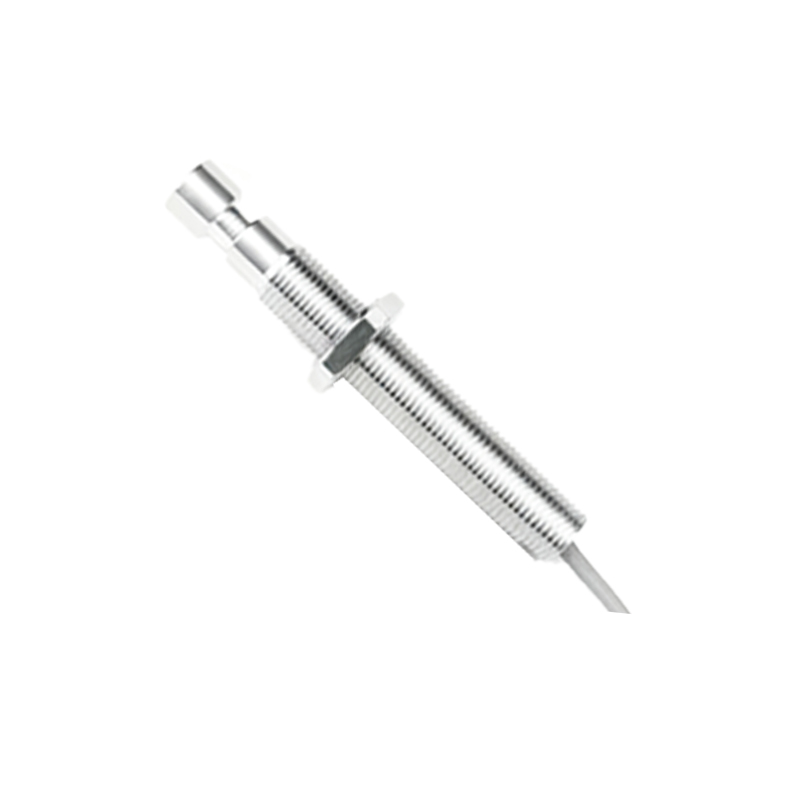
In terms of energy efficiency, modern metal proximity sensors consume low power while maintaining high detection accuracy. This makes them suitable for battery-operated devices or energy-conscious setups. Their ability to operate without physical contact eliminates the risk of damage to both the sensor and the target, extending service life and reducing maintenance costs. Industries ranging from automotive to packaging rely on these features to optimize safety and productivity.
Overall, metal proximity sensors combine durability, precision, and adaptability, making them essential for automated processes. As technology advances, innovations like miniaturization and enhanced connectivity continue to expand their applications, reinforcing their role in smart manufacturing and Industry 4.0 initiatives.