Inductive proximity sensors are fundamental components in modern industrial automation, offering non-contact detection of metallic objects with high reliability and precision. Among the various models available, the GAM4 series stands out as a versatile and robust solution designed to meet the demanding requirements of diverse industrial environments. This article delves into the technical specifications, operational principles, application scenarios, and key advantages of the GAM4 inductive proximity sensor, providing engineers and technicians with essential insights for optimal integration.
The GAM4 inductive proximity sensor operates on the principle of electromagnetic induction. It generates an oscillating electromagnetic field via a coil and ferrite core within its sensing face. When a metallic object enters this field, eddy currents are induced on the object's surface, causing a change in the oscillation amplitude. The sensor's internal circuitry detects this change and triggers a switching signal, typically through a solid-state output. This non-contact mechanism ensures wear-free operation, making it ideal for high-cycle applications where mechanical wear is a concern. Key specifications of the GAM4 include a sensing range tailored for precise detection, often up to several millimeters depending on the specific model and target material. It is commonly available in both normally open (NO) and normally closed (NC) configurations, with output types such as PNP or NPN transistor outputs, facilitating compatibility with various programmable logic controllers (PLCs) and control systems. The housing is typically constructed from nickel-plated brass or stainless steel, providing high resistance to mechanical stress, oils, and coolants, which aligns with IP67 or higher ingress protection ratings for use in harsh conditions.
In practical applications, the GAM4 sensor excels in tasks such as position detection, counting, and end-position monitoring in machinery. For instance, on conveyor systems, it can detect the presence of metal components to control sorting mechanisms or verify part placement. In automotive manufacturing, it is employed to monitor robotic arm movements or confirm the seating of metal parts in assembly lines. Its immunity to non-metallic materials like plastics, wood, or liquids ensures false triggers are minimized, enhancing system reliability. Additionally, the GAM4 series often features built-in protection against short-circuits, overload, and reverse polarity, which safeguards both the sensor and connected equipment from electrical faults. Installation is straightforward, with standard mounting options like M8, M12, or M18 threaded barrels, allowing for easy integration into existing setups. Engineers should consider factors such as the target material (e.g., steel, aluminum, copper), as different metals affect the sensing range due to variations in conductivity and permeability. For optimal performance, it is recommended to maintain a clean sensing face free from debris and to avoid mounting multiple sensors in close proximity without proper shielding to prevent mutual interference.
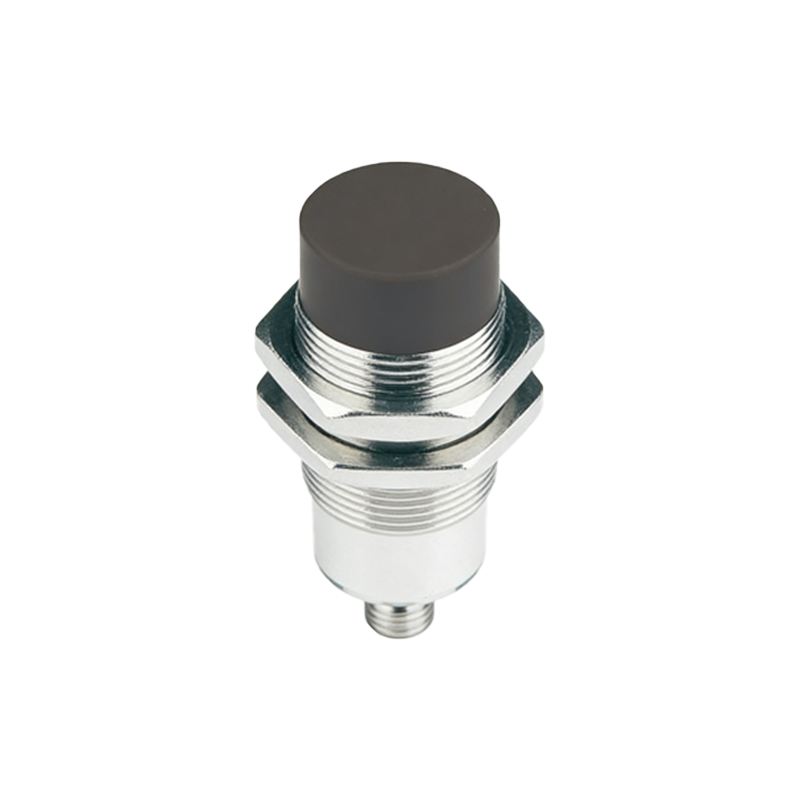
The advantages of the GAM4 inductive proximity sensor are manifold. Its high switching frequency enables rapid detection in fast-paced production lines, while the robust design ensures longevity even in environments with vibration, temperature fluctuations, or exposure to chemicals. Compared to mechanical limit switches, it offers silent operation and eliminates physical contact, reducing maintenance needs and downtime. Furthermore, many GAM4 models incorporate LED indicators for status monitoring, simplifying diagnostics and troubleshooting. When selecting a GAM4 sensor, users should refer to manufacturer datasheets for detailed parameters like operating voltage (commonly 10-30V DC), current consumption, and temperature ranges to ensure compatibility with specific application requirements. Regular testing with actual target materials during commissioning is advised to verify sensing consistency.
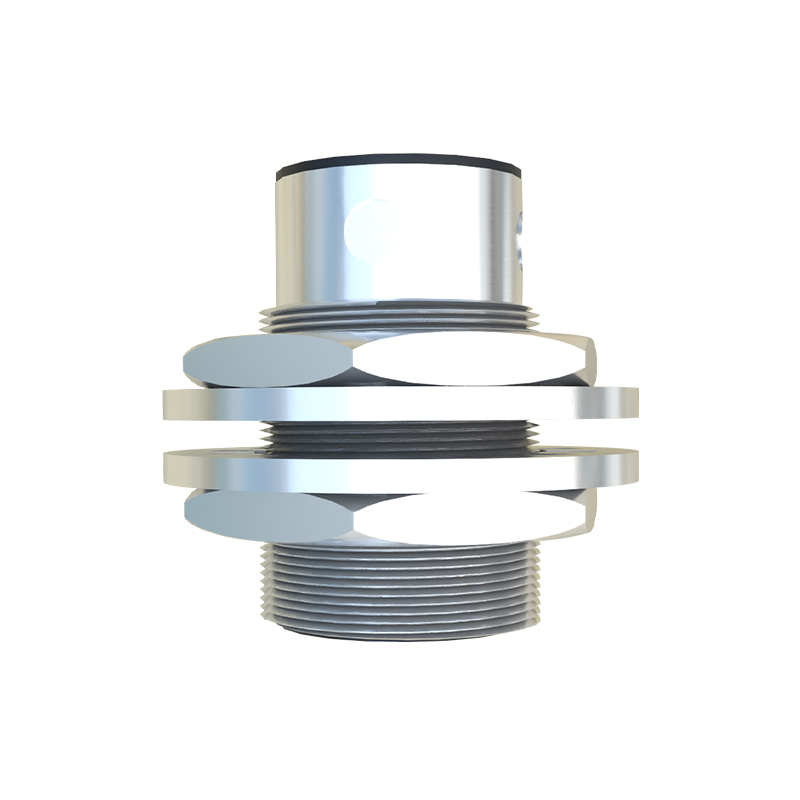
In summary, the GAM4 inductive proximity sensor represents a reliable and efficient choice for industrial automation, combining advanced sensing technology with durable construction. By understanding its operational nuances and application best practices, professionals can leverage its capabilities to enhance system accuracy, safety, and productivity. As industries continue to evolve toward smarter manufacturing, sensors like the GAM4 will remain integral to achieving seamless automation and control.
