In today's rapidly evolving industrial and consumer electronics landscapes, the demand for tailored proximity sensor solutions has surged. Customization allows businesses to address specific operational challenges, enhance product performance, and gain a competitive edge. However, defining precise requirements for proximity sensor customization is critical to ensure optimal functionality, reliability, and cost-effectiveness. This guide outlines key considerations and steps involved in specifying customization needs for proximity sensors.
Proximity sensors are pivotal in applications ranging from automotive safety systems and industrial automation to smart devices and healthcare equipment. Off-the-shelf sensors may not always meet unique environmental, spatial, or performance demands. Customization bridges this gap by adapting sensor parameters to exact use cases. The process begins with a clear understanding of the application's core objectives. For instance, in a high-vibration manufacturing environment, a sensor might require robust housing and shock resistance, whereas a medical device may prioritize miniaturization and biocompatibility.
One of the primary customization aspects is sensing range and accuracy. Clients must specify the exact detection distance needed, whether it's a few millimeters for precision assembly or several meters for large-scale monitoring. Accuracy tolerances, such as ±0.1mm or ±5%, should be defined to avoid operational errors. Additionally, the target material—metallic, non-metallic, liquid, or transparent—impacts sensor selection. Inductive sensors excel with metals, while capacitive variants handle diverse materials, including plastics or glass. Environmental factors like temperature extremes, humidity, dust, or corrosive substances necessitate protective features like IP ratings, stainless steel casings, or conformal coatings.
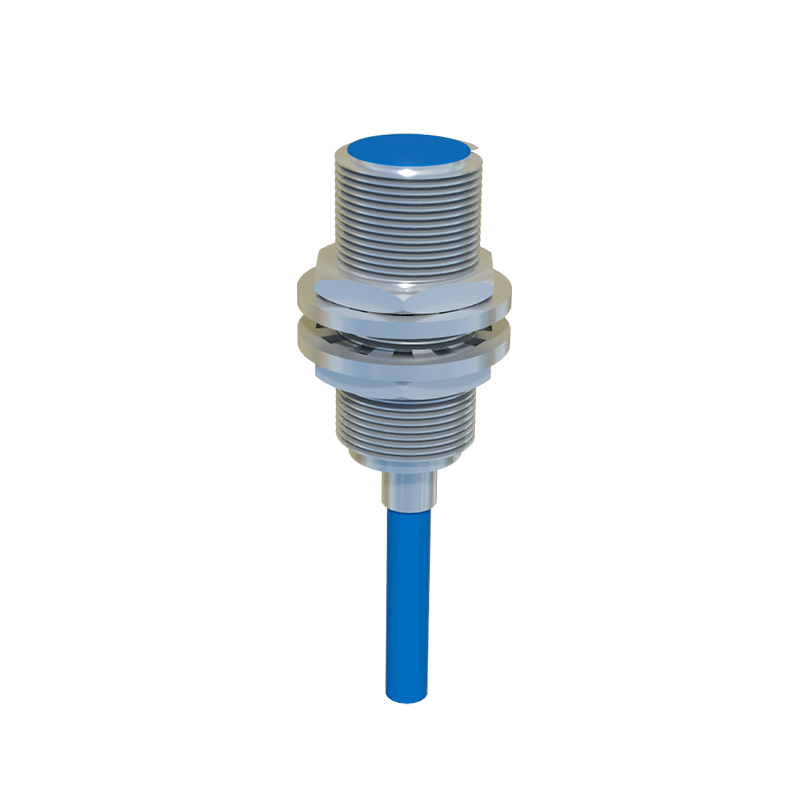
Output configuration is another vital element. Custom sensors can be designed with analog outputs (e.g., 4-20mA, 0-10V) for continuous data or digital outputs (e.g., NPN/PNP, IO-Link) for discrete signals. Integration with existing control systems, such as PLCs or IoT networks, may require specific communication protocols like Modbus, CAN bus, or wireless options (Bluetooth, Wi-Fi). Power supply requirements, including voltage ranges (e.g., 10-30V DC) and energy efficiency needs, must align with the host system's capabilities.
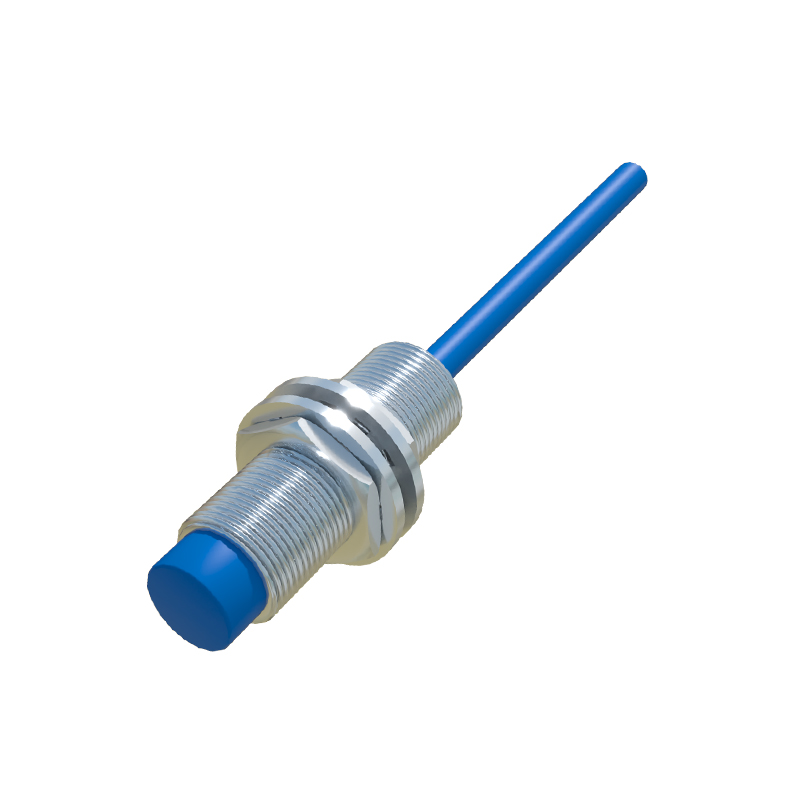
Physical design constraints, such as size, shape, and mounting options, often drive customization. Miniaturized sensors are essential for compact devices like wearables, while ruggedized designs suit heavy machinery. Connector types, cable lengths, and ingress protection (e.g., IP67 for water resistance) should match installation conditions. Furthermore, regulatory compliance, such as CE, RoHS, or FDA standards, may be mandatory for certain industries, influencing material choices and manufacturing processes.
Collaboration with sensor manufacturers is key to successful customization. Providing detailed application notes, prototypes, or testing scenarios helps engineers refine designs. Iterative testing under real-world conditions ensures the sensor meets performance benchmarks. Cost considerations should balance upfront development expenses with long-term benefits like reduced maintenance or improved productivity.
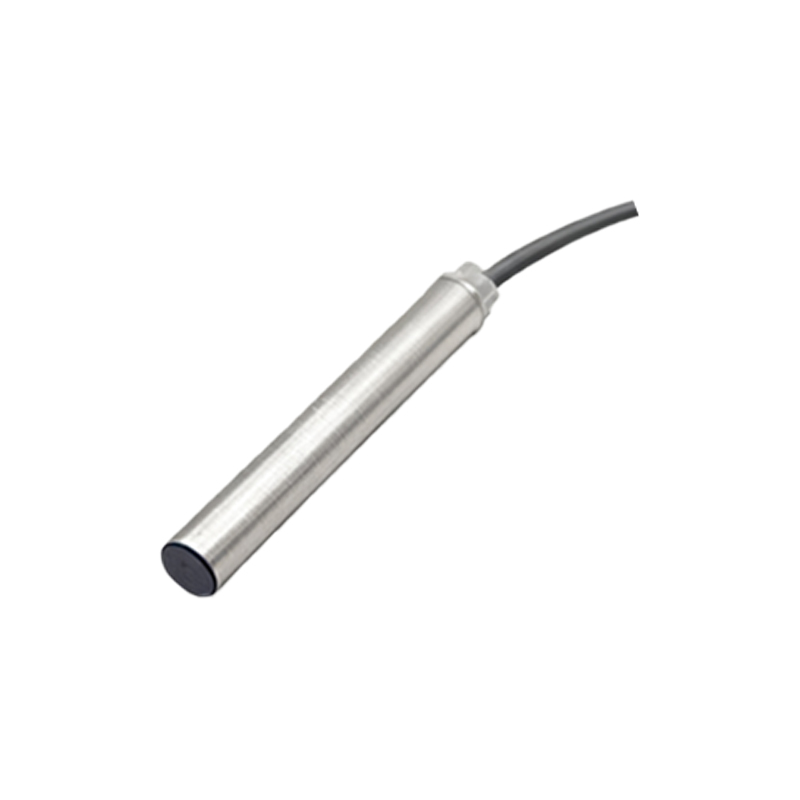
In summary, customizing proximity sensors involves a holistic approach—from technical specifications to environmental adaptability. By meticulously defining requirements, businesses can achieve seamless integration, enhanced durability, and superior sensing outcomes, ultimately driving innovation and efficiency in their operations.