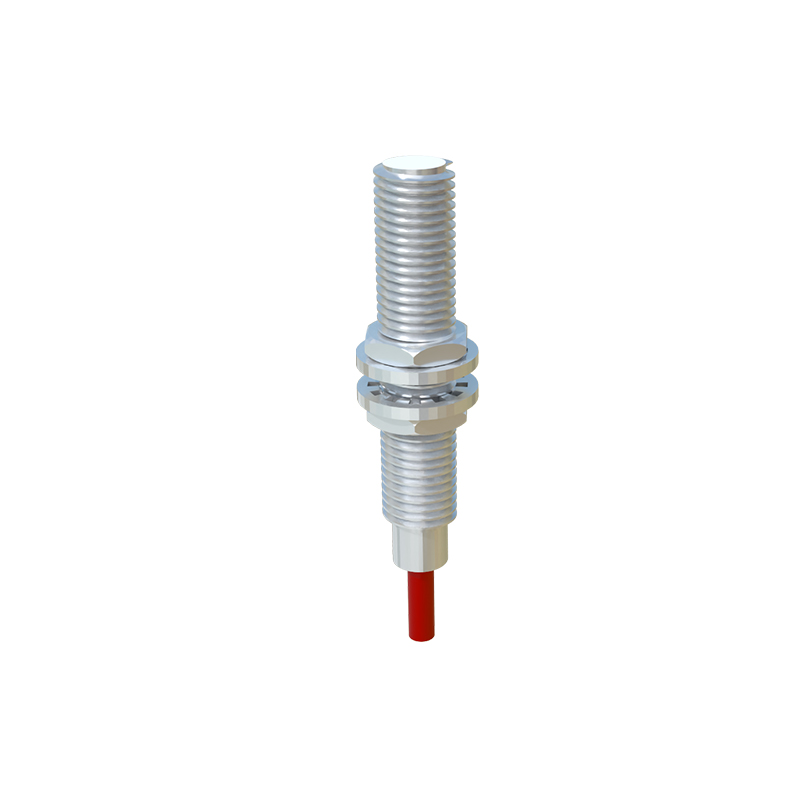
In the world of personal audio, convenience is king. A subtle yet transformative feature that has become commonplace in modern headphones and earbuds is the proximity sensor. This small, often unnoticed component plays a crucial role in creating a seamless and intuitive user experience. But what exactly is a headphone proximity sensor, and how does it enhance our daily interactions with audio devices?
At its core, a proximity sensor in headphones is a small electronic component designed to detect the presence or absence of an object—specifically, the user's ear or head—within a very short range, typically a few millimeters. The most common type used is an infrared (IR) sensor. It works by emitting an invisible beam of infrared light. When you wear the headphones, your ear or skin reflects this light back to a receiver within the sensor. The device's logic board interprets this reflected signal as "on-head" or "in-ear." Conversely, when you remove the headphones, the beam is no longer reflected, and the sensor registers the state as "off-head."
The primary and most appreciated function of this technology is automatic play/pause control. When you take off your headphones, the media playback automatically pauses. When you put them back on, it resumes. This intelligent behavior eliminates the need to fumble for your phone or computer to manually control playback, whether you're briefly answering a question from a colleague, ordering a coffee, or simply taking a moment of silence. It conserves battery life by stopping unnecessary audio output and provides a polished, hands-free experience.
Beyond basic media control, proximity sensors enable other smart features. In true wireless earbuds, sensors can detect if an earbud is in your ear, allowing for features like single-earbud mode or ensuring audio is only routed to the earbud that is actually being worn. Some advanced systems use the sensor data to optimize audio processing, such as adjusting noise cancellation profiles based on whether the headphones are properly sealed against your ear. In the realm of voice calls, removing an earbud might automatically switch the audio from the earbud's microphone to the phone's built-in mic, facilitating quick conversations without ending the call.
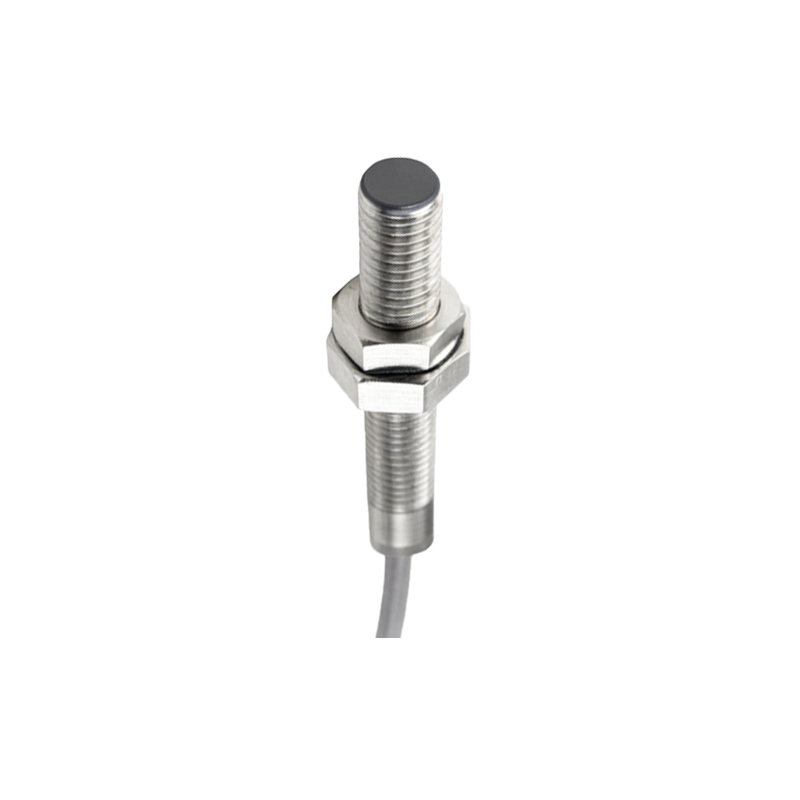
The implementation of these sensors requires careful engineering. They must be highly reliable, distinguishing between a deliberate removal and minor adjustments. Environmental factors like bright sunlight, which contains infrared radiation, can sometimes interfere with IR sensors, causing false triggers. Manufacturers combat this with software algorithms that filter out ambient IR noise and by calibrating sensors for specific detection thresholds. Alternative technologies, such as capacitive sensing (which detects the electrical capacitance of the human body), are also used, particularly in earbuds, for their precision and resistance to light interference.
For the end-user, the magic of a proximity sensor lies in its invisibility. A great implementation is one you don't have to think about; it simply works as expected, making the technology feel like a natural extension of your intent. This "just works" philosophy is a key driver in product satisfaction. When evaluating headphones, the responsiveness and accuracy of these auto-pause/resume functions are now a standard part of reviews and user feedback.
Looking forward, the role of proximity sensing is set to expand. As headphones evolve into more comprehensive wearable computers for health monitoring, fitness, and augmented audio, context-awareness becomes paramount. Future sensors might work in concert with accelerometers and heart-rate monitors to determine not just if the device is worn, but how it is being used—distinguishing between listening during a workout, a work call, or relaxation—and adapting functionality accordingly.
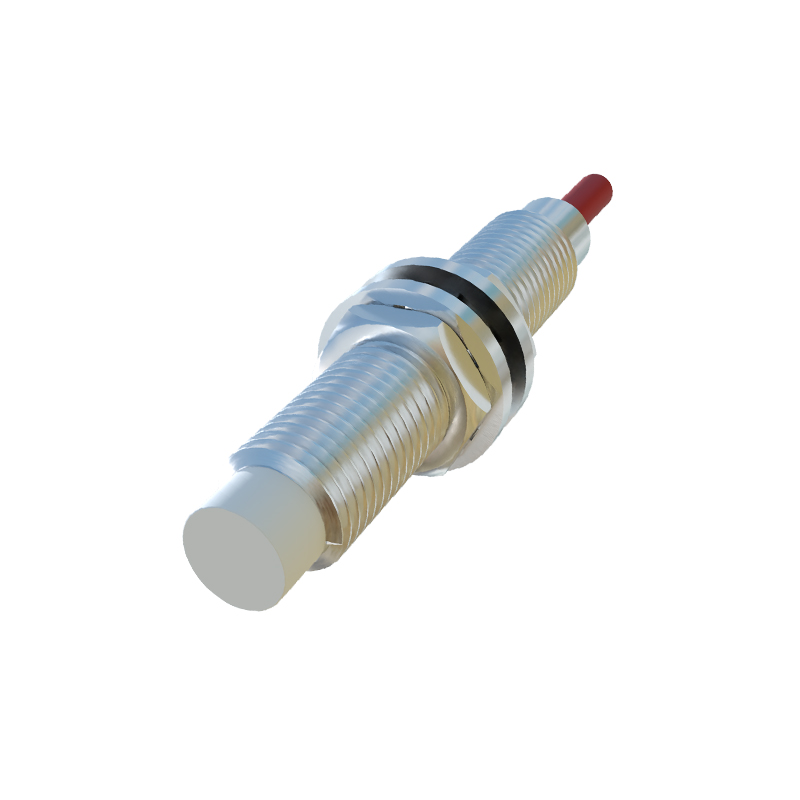
In conclusion, the humble proximity sensor is a cornerstone of modern headphone intelligence. It transforms a passive listening device into an interactive, context-aware companion. By automating fundamental controls, it removes friction from the user experience, allowing us to stay immersed in our audio or seamlessly transition back to the physical world. As audio wearables continue to advance, this small sensor will remain a critical enabler of the intuitive, effortless interactions we have come to expect from our personal technology.