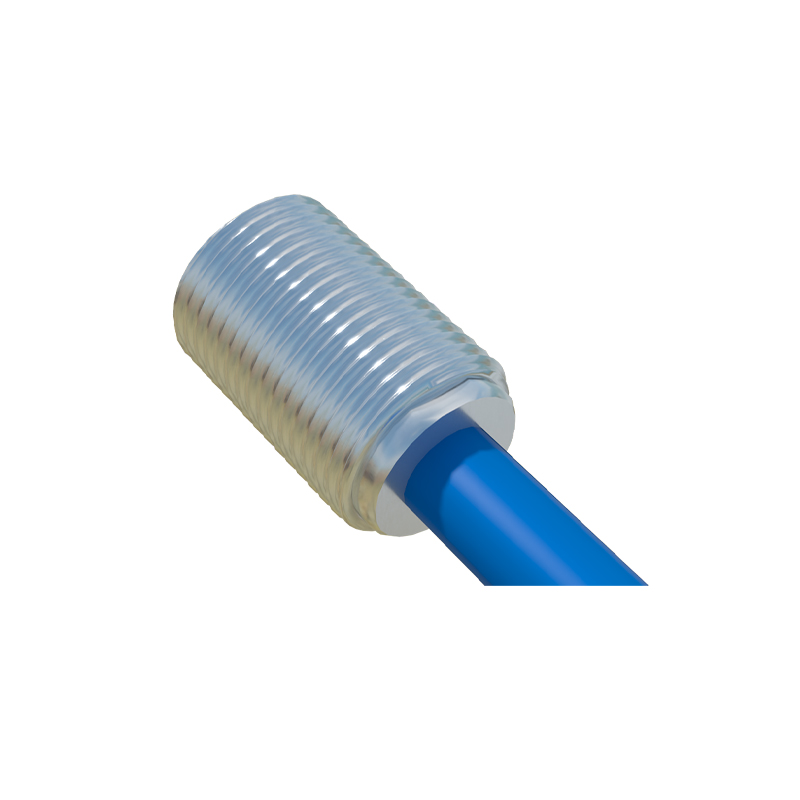
Electromagnetic proximity sensors are pivotal components in modern industrial automation, enabling non-contact detection of metallic objects through electromagnetic field interactions. These sensors operate on the principle of electromagnetic induction, where an oscillator generates a high-frequency magnetic field from a coil. When a metallic target enters this field, eddy currents are induced, altering the oscillation amplitude or frequency. This change is detected by a threshold circuit, triggering an output signal—typically a switch or analog value—without physical contact.
Key advantages include high reliability in harsh environments, as they resist dust, moisture, and vibration, and fast response times suitable for high-speed applications like conveyor systems or robotic arms. Common types include inductive sensors for ferrous metals and capacitive variants for non-metallic materials, though electromagnetic versions specifically excel with conductive targets. Installation considerations involve factors such as sensing range (from millimeters to several centimeters), material composition (e.g., steel, aluminum), and environmental conditions like temperature extremes or electromagnetic interference.
In practice, electromagnetic proximity sensors are integral to automotive manufacturing for part positioning, packaging industries for object counting, and safety systems in machinery to prevent collisions. Calibration and maintenance involve periodic checks for output stability and housing integrity. Emerging trends incorporate IoT connectivity for predictive maintenance and miniaturization for compact designs. By leveraging these sensors, industries enhance efficiency, reduce downtime, and ensure operational safety, solidifying their role as essential tools in smart factories and beyond.