In the rapidly evolving landscape of industrial safety and environmental monitoring, laser methane sensors have emerged as a pivotal technology. These sensors utilize tunable diode laser absorption spectroscopy (TDLAS) to detect methane concentrations with exceptional precision and reliability. Unlike traditional catalytic bead or electrochemical sensors, laser-based systems offer significant advantages, including minimal interference from other gases, reduced maintenance requirements, and enhanced longevity.
The core principle behind laser methane sensors involves directing a laser beam through a gas sample. Methane molecules absorb specific wavelengths of infrared light, and by measuring the attenuation of the laser beam, the sensor can accurately calculate methane concentration. This method allows for real-time, continuous monitoring without the need for frequent calibration, making it ideal for demanding industrial environments.
One of the primary applications of laser methane sensors is in the oil and gas industry. Methane leakage during extraction, transportation, and storage poses serious safety risks, including explosions and fires. Laser sensors are deployed along pipelines, at wellheads, and within processing facilities to provide early warning of leaks. Their ability to operate over long distances—up to several hundred meters—enables remote monitoring of large areas, enhancing overall safety protocols. Additionally, these sensors contribute to environmental protection by helping companies comply with stringent regulations on methane emissions, a potent greenhouse gas.
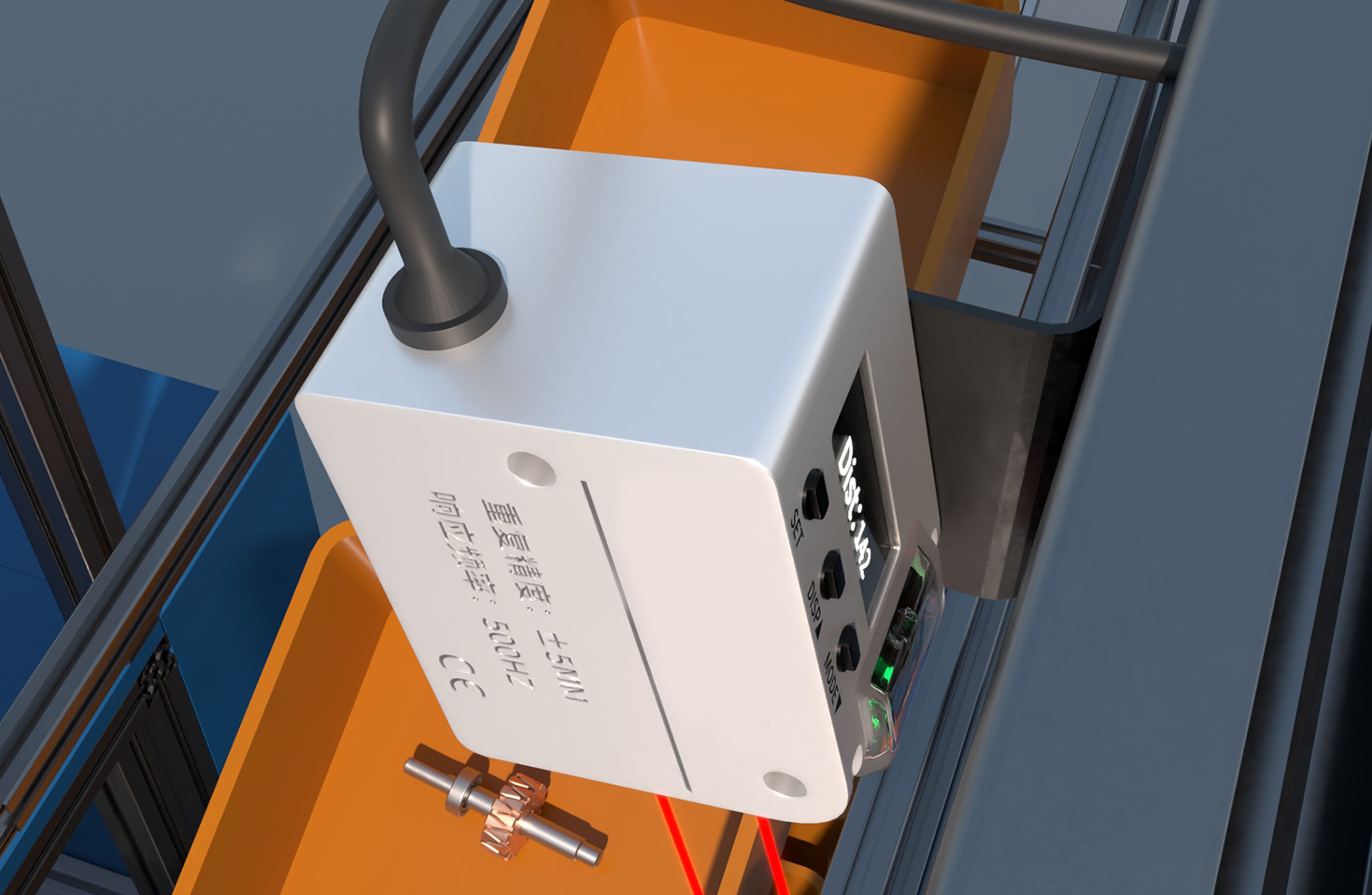
In the mining sector, laser methane sensors are crucial for detecting methane buildup in underground mines. Methane, often referred to as firedamp, can accumulate to explosive levels if not monitored continuously. Laser sensors offer rapid response times and high sensitivity, allowing for immediate evacuation and ventilation measures when thresholds are exceeded. Their robustness in harsh conditions, such as high humidity and dust, ensures reliable performance where other sensors might fail.

Furthermore, laser methane sensors are increasingly used in wastewater treatment plants and landfills. Anaerobic decomposition in these settings generates methane, which must be monitored to prevent hazardous concentrations and to optimize biogas recovery for energy production. The non-invasive nature of laser technology allows for measurements without direct contact with corrosive or dirty gas streams, reducing sensor degradation and maintenance costs.
Recent advancements have focused on improving the portability and integration of laser methane sensors. Handheld devices equipped with laser sensors enable field technicians to conduct spot checks and leak surveys with laboratory-grade accuracy. Moreover, the integration of IoT (Internet of Things) capabilities allows sensors to transmit data wirelessly to central monitoring systems, facilitating predictive maintenance and data analytics. This connectivity supports the trend toward smart industrial facilities, where real-time data drives operational efficiency and safety.
Despite their advantages, challenges remain, such as the higher initial cost compared to conventional sensors. However, the total cost of ownership is often lower due to reduced downtime and maintenance. Ongoing research aims to enhance sensitivity, expand detection ranges, and develop multi-gas detection capabilities using laser spectroscopy.

In conclusion, laser methane sensors represent a transformative tool for industrial safety and environmental stewardship. Their precision, durability, and adaptability make them indispensable in sectors where methane detection is critical. As technology continues to advance, these sensors will play an even greater role in mitigating risks and promoting sustainable practices globally.