In the intricate world of industrial automation and electrical control systems, proximity switch sensor nuts play a surprisingly critical role. Often overlooked as simple fasteners, these specialized components are fundamental to ensuring the reliable, accurate, and safe operation of inductive, capacitive, and magnetic proximity sensors. This guide delves into the technical specifications, selection criteria, installation best practices, and common troubleshooting issues associated with sensor nuts, providing a detailed resource for electrical engineers and maintenance professionals.
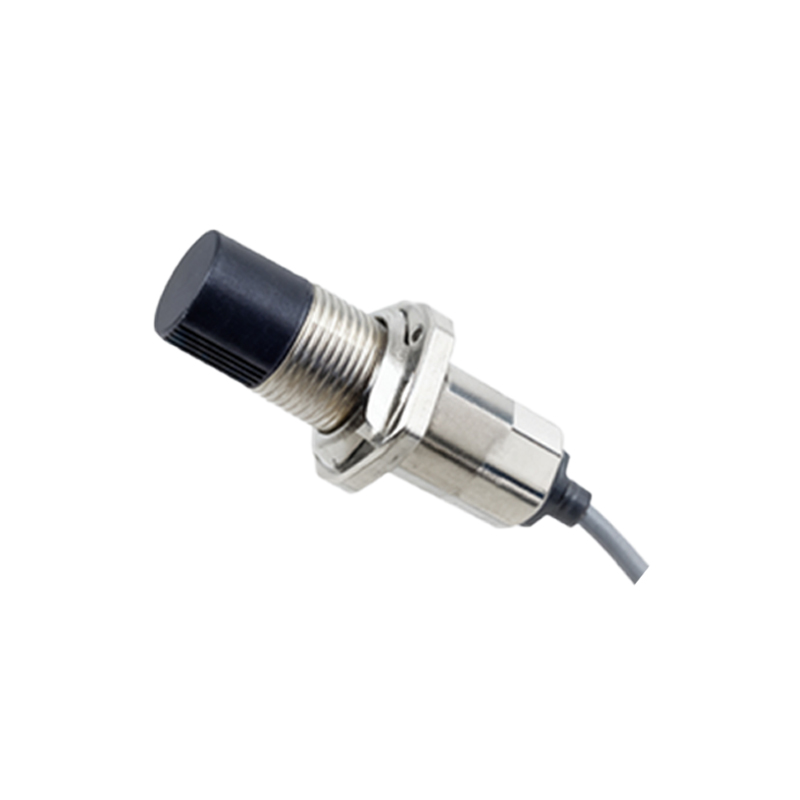
A proximity switch sensor nut is not a standard hex nut. It is a precision-machined component designed specifically to mount a cylindrical proximity sensor into a threaded mounting hole. Its primary functions extend beyond mere fixation. First, it secures the sensor firmly in place, preventing movement from vibration or accidental impact that could misalign the sensing face from the target. Second, it often provides a specific sensing distance or stand-off. Many sensor bodies have a shoulder, and the nut, when tightened, positions this shoulder at a precise distance from the mounting surface, ensuring the optimal sensing range is maintained. Third, it can act as a lock nut, preventing the sensor from loosening over time due to machine vibrations—a common cause of failure in harsh industrial environments.
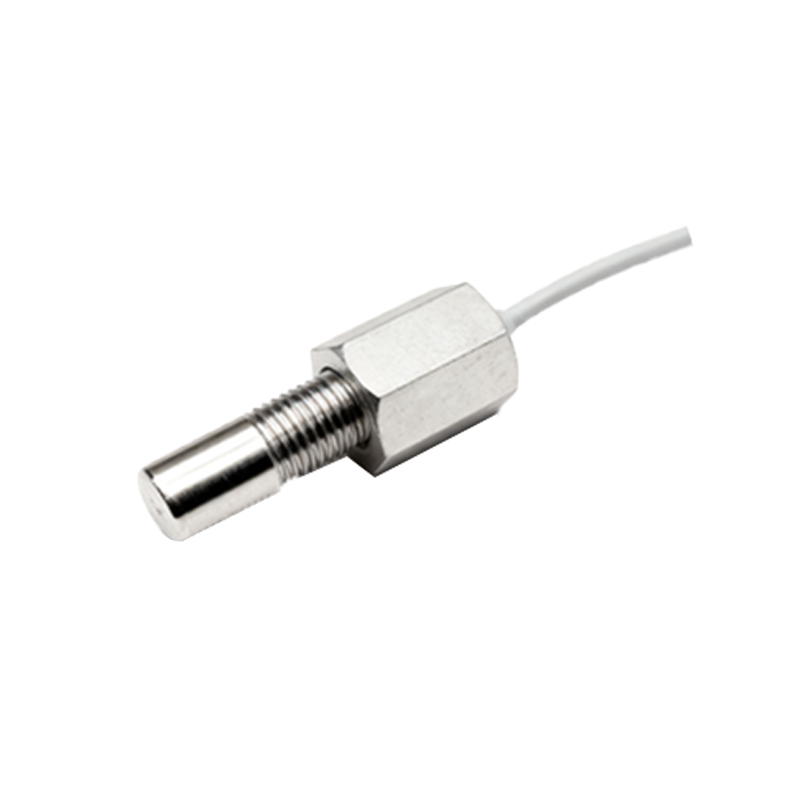
The selection of the correct sensor nut is paramount. Key parameters include thread size and pitch (e.g., M8, M12, M18, M30 are industry standards), which must perfectly match the sensor's thread and the panel cutout. Material choice is crucial for durability and application suitability. Standard nuts are typically made from plated steel (zinc or nickel) for general-purpose use. For corrosive environments—common in chemical processing, food and beverage, or marine applications—stainless steel (AISI 303 or 316) nuts are essential. In settings requiring non-magnetic properties or where metal detection is a concern, brass nuts are employed. Furthermore, engineers must consider the nut's design: standard types, slim-line versions for tight spaces, and nuts with integrated sealing rings or O-rings for sensors requiring a high IP (Ingress Protection) rating against dust and water.
Installation procedures, while straightforward, demand attention to detail. Always begin by ensuring the mounting hole is clean, free of burrs, and correctly threaded. Hand-thread the sensor into the nut first to check for smooth engagement, avoiding cross-threading. Insert the sensor assembly into the panel hole. Using the correct spanner or socket on the nut's flats—never on the sensor body itself—tighten the nut to the manufacturer's specified torque. Over-tightening can damage the sensor housing or distort threads, leading to failure. Under-tightening risks loosening. The ideal practice is to tighten the nut until the sensor is firmly seated and cannot rotate, then apply a final quarter-turn. For sensors with a sensing-distance shoulder, ensure the nut is tightened until the shoulder contacts the mounting surface uniformly.
Common failure modes often trace back to improper nut selection or installation. Persistent false triggering or failure to detect a target can result from a loose sensor that has shifted position, altering the effective sensing gap. Physical damage to the sensor thread or housing frequently occurs from using incorrect tools or excessive force during installation. In corrosive atmospheres, a standard steel nut can seize or corrode, making sensor replacement or adjustment exceedingly difficult and potentially ruining the sensor's threads. Electromagnetic interference (EMI) issues can sometimes be exacerbated by poor grounding, which can be influenced by the contact between the nut, panel, and sensor body.
Beyond basic mounting, advanced considerations include the use of mounting accessories like extension barrels or mounting brackets, which interface with the standard sensor nut. For sensing in hazardous areas (ATEX, IECEx), the nut and its installation are part of the certified assembly, and no substitutions are permitted. Regular maintenance schedules should include checking the tightness of sensor nuts, especially on high-vibration equipment like presses, conveyors, or stamping machines.
In conclusion, the proximity switch sensor nut is a vital link in the signal chain of automated systems. Its correct specification and installation are not mere mechanical afterthoughts but integral to system integrity. By understanding the engineering principles behind this small component, electrical professionals can significantly enhance the reliability, accuracy, and longevity of their sensor applications, preventing costly downtime and ensuring seamless operation. Specifying the right nut—be it stainless steel for a washdown area or a brass variant for a sensitive electronic assembly—is a mark of thorough, detail-oriented engineering.