The manufacturing of proximity sensors represents a dynamic and critical frontier within the broader industrial automation and electronics sectors. These non-contact devices, essential for object detection, positioning, and safety in countless applications from automotive assembly to consumer electronics, require a unique blend of precision engineering, materials science, and process control. For engineers and technicians considering a career in this specialized field, understanding the key manufacturing processes and the corresponding skill sets in demand is paramount.
The core manufacturing workflow for inductive, capacitive, and photoelectric proximity sensors involves several high-precision stages. It begins with the design and fabrication of the sensing element—whether it's a coil for inductive types, electrode plates for capacitive, or an IR LED-phototransistor pair for photoelectric sensors. This stage demands expertise in micro-fabrication, PCB design and assembly (SMT processes), and an understanding of electromagnetic or optical principles. Process Engineers and Electronics Design Engineers are crucial here, tasked with optimizing designs for performance, cost, and manufacturability (DFM).
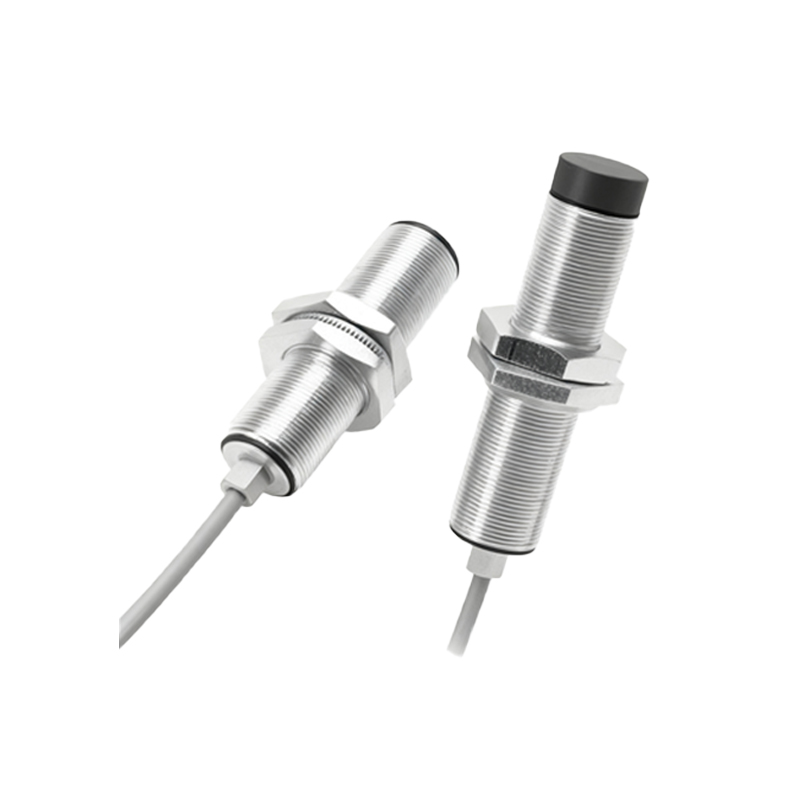
Following component fabrication, the assembly phase requires meticulous attention. This involves the precise placement and bonding of sensing elements, integrated circuits (ASICs for signal processing), and housing components. Automated pick-and-place machines, laser welding, and precision dispensing of epoxies or gels for environmental sealing are standard. This is the domain of Manufacturing Engineers and Assembly Technicians. They must ensure process consistency, develop assembly jigs and fixtures, and rigorously implement quality control checkpoints. Knowledge of lean manufacturing principles and Six Sigma methodologies for reducing variation is highly valued.
Encapsulation and housing are perhaps the most distinctive aspects of proximity sensor工艺. The sensor must be protected from harsh industrial environments—coolants, metal shavings, extreme temperatures, and physical impact. This involves processes like transfer molding with engineered thermosetting plastics, potting with silicone gels, or laser welding of metal housings. Materials Engineers and Process Technicians specializing in polymer processing or hermetic sealing are essential. They select materials with the correct dielectric constant, thermal stability, and mechanical strength, directly impacting sensor reliability and lifetime.
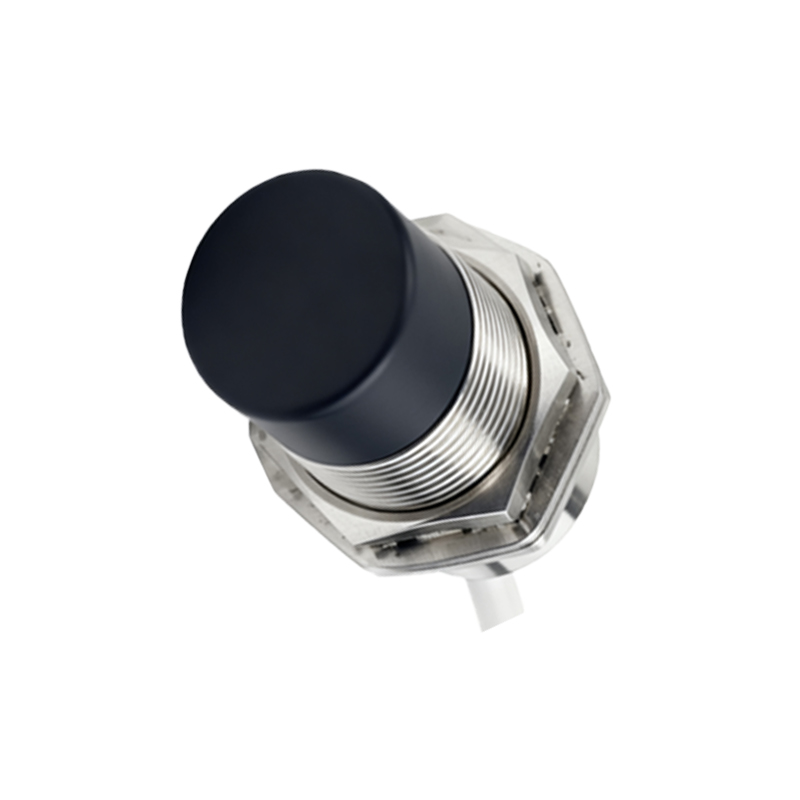
Calibration and final testing form the last critical gate. Every sensor must be tuned to its specified sensing range and checked for response time, hysteresis, and temperature drift. This requires sophisticated automated test equipment (ATE) and environmental chambers. Test Engineers and Calibration Technicians design these test routines, analyze statistical process control (SPC) data, and troubleshoot failures. Proficiency with programming test sequences (often in LabVIEW or Python) and interpreting electrical signal data is a key requirement.
For professionals seeking opportunities in this field, the招聘 landscape is robust. Positions frequently advertised include:
Sensor Design Engineer: Focuses on electromagnetic/optical simulation, schematic capture, and prototyping.
Manufacturing/Process Engineer: Optimizes assembly lines, improves yield, and implements automation solutions.
Quality Assurance Engineer: Develops test plans, leads failure analysis (FA), and manages compliance with standards (e.g., IEC 60947-5-2).
Advanced Manufacturing Technician: Operates and maintains specialized assembly and test equipment.
The ideal candidate profile combines a strong theoretical foundation with practical hands-on ability. A degree in Electrical Engineering, Mechanical Engineering (with mechatronics focus), or Materials Science is typical for engineering roles. For technicians, an associate degree or certification in electronics technology, mechatronics, or industrial maintenance is highly relevant. Across all roles, soft skills like problem-solving, clear technical communication, and the ability to work in cross-functional teams (with R&D, production, and sales) are indispensable.
In conclusion, a career in proximity sensor manufacturing is both challenging and rewarding, sitting at the intersection of advanced electronics and industrial application. It offers professionals the chance to contribute to the fundamental components that enable automation and smart systems. As Industry 4.0 and the Internet of Things (IoT) continue to expand, the demand for reliable, sophisticated sensors and the skilled personnel to manufacture them will only intensify. For those with the right technical aptitude and a passion for precision manufacturing, this field presents a stable and promising career path with significant room for growth and specialization.