In the realm of industrial automation, the integration of blocking cylinders with proximity sensors is a cornerstone for ensuring precision, safety, and efficiency in machinery operations. As a seasoned electrical engineer, I aim to delve into the technical nuances, selection criteria, and practical applications of these critical components, providing insights that align with industry standards and best practices.
Proximity sensors, specifically designed for blocking cylinders, are non-contact devices that detect the presence or position of a cylinder's piston or rod. They operate on various principles, including inductive, capacitive, and magnetic sensing technologies. Inductive sensors are commonly used for metallic targets, emitting an electromagnetic field to detect ferrous materials in cylinders. Capacitive sensors, on the other hand, respond to both metallic and non-metallic objects by measuring changes in capacitance, making them versatile for diverse industrial environments. Magnetic sensors, often employed with pneumatic or hydraulic cylinders, utilize reed switches or Hall effect sensors to sense magnetic fields from embedded magnets in the piston, offering reliable detection even in harsh conditions like dust, moisture, or vibration.
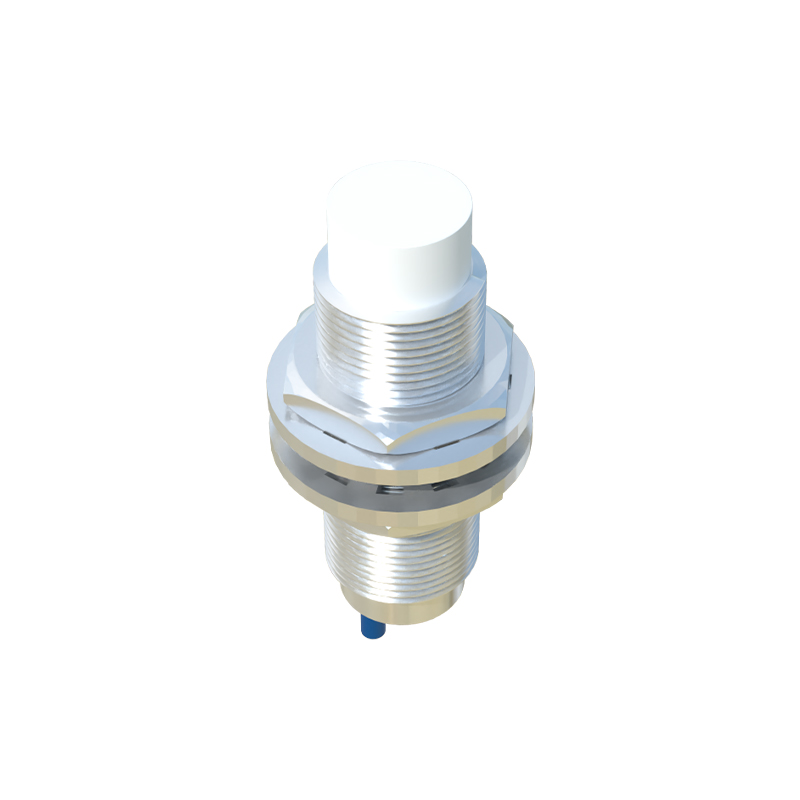
The selection of an appropriate proximity sensor for a blocking cylinder hinges on several factors. First, consider the operating environment: factors such as temperature ranges, exposure to chemicals, and potential mechanical shocks dictate the sensor's housing material and ingress protection (IP) rating. For instance, in high-temperature settings, sensors with robust stainless steel housings and high IP ratings (e.g., IP67 or IP69K) are preferable to withstand thermal stress and prevent contamination. Second, the sensing range and accuracy are paramount; sensors must be chosen based on the cylinder's stroke length and required precision to avoid false triggers or missed detections. Third, electrical compatibility with control systems—such as voltage ratings (commonly 10-30V DC or 90-250V AC) and output types (PNP/NPN for DC, or relay-based for AC)—ensures seamless integration into existing automation networks.
In practical applications, proximity sensors for blocking cylinders play a pivotal role in enhancing operational safety and productivity. For example, in automotive assembly lines, these sensors monitor the position of cylinders used in clamping or lifting mechanisms, preventing collisions and ensuring parts are correctly aligned. In packaging machinery, they detect cylinder movements to synchronize filling and sealing processes, reducing downtime and minimizing material waste. Moreover, in robotic systems, sensors provide feedback on cylinder extensions or retractions, enabling precise control for tasks like pick-and-place operations. Regular maintenance, including calibration checks and cleaning of sensor surfaces, is essential to sustain performance and extend service life, as buildup of debris or misalignment can lead to operational failures.
Emerging trends in Industry 4.0 are further revolutionizing the use of proximity sensors with blocking cylinders. Smart sensors equipped with IO-Link or Ethernet connectivity allow for real-time data transmission to supervisory control systems, facilitating predictive maintenance and adaptive control strategies. By analyzing sensor data, engineers can anticipate wear or malfunctions, schedule proactive repairs, and optimize cycle times. Additionally, advancements in miniaturization and energy efficiency are enabling more compact sensor designs with lower power consumption, ideal for space-constrained or battery-operated applications.
To maximize the benefits, engineers should adhere to installation guidelines: ensure proper mounting alignment to avoid angular misalignment, use shielded cables in electrically noisy environments to prevent interference, and follow manufacturer specifications for wiring and configuration. Testing under simulated operational conditions before full deployment can identify potential issues early, safeguarding against costly disruptions.
In summary, proximity sensors for blocking cylinders are indispensable tools in modern industrial automation, offering reliable detection that drives safety, accuracy, and efficiency. By understanding their working principles, selecting based on environmental and technical requirements, and leveraging advancements in smart technology, professionals can enhance system performance and contribute to sustainable industrial growth. Continuous learning and adaptation to new innovations will remain key in this evolving field.