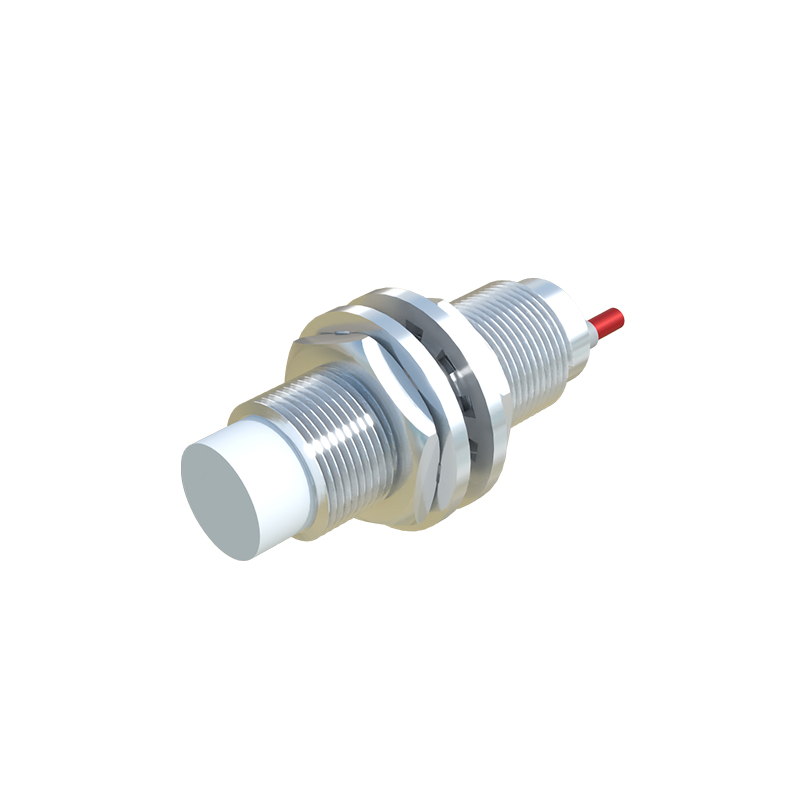
In the high-stakes world of CNC machining, where microns matter and downtime is costly, the integration of proximity sensors for milling cutter monitoring represents a significant leap in process intelligence and machine safeguarding. These non-contact detection devices are engineered to provide real-time feedback on tool presence, position, and condition, forming a critical layer in the automated control loop of modern machining centers. Their primary function transcends simple part detection; they are pivotal in preventing catastrophic tool collisions, enabling unmanned machining operations, and ensuring consistent part quality.
The operational principle of these sensors is typically based on inductive, capacitive, or, less commonly, optical technologies. Inductive sensors are predominant for detecting metallic cutting tools. They generate an electromagnetic field; when a conductive object—like a carbide or steel end mill—enters this field, it induces eddy currents within the object. The sensor detects this change and triggers a switching signal to the CNC controller. This signal can confirm a tool is correctly loaded in the spindle before a high-speed operation begins, a function known as tool presence verification. Capacitive sensors can detect both metallic and non-metallic objects and are sometimes used for monitoring non-conductive tool holders or for level sensing of coolants. The key advantage is their non-contact nature, eliminating mechanical wear and allowing for high-speed detection without impeding the machining process.
The applications within a CNC milling context are multifaceted. The most critical is collision avoidance. By strategically mounting sensors near the spindle or worktable, the machine can perform a pre-check routine. Before initiating a rapid traverse move or a complex tool path, the system can verify that no tool is protruding where a collision with the fixture, workpiece, or machine component might occur. This is especially vital during tool change sequences and in palletized systems where setup configurations change frequently. Another vital application is broken tool detection. Following a milling operation, the spindle can move the tool over a sensor. The absence of a signal where one is expected indicates a broken or missing tool, prompting the CNC to halt the process, preventing the machining of scrap parts and potential further damage.
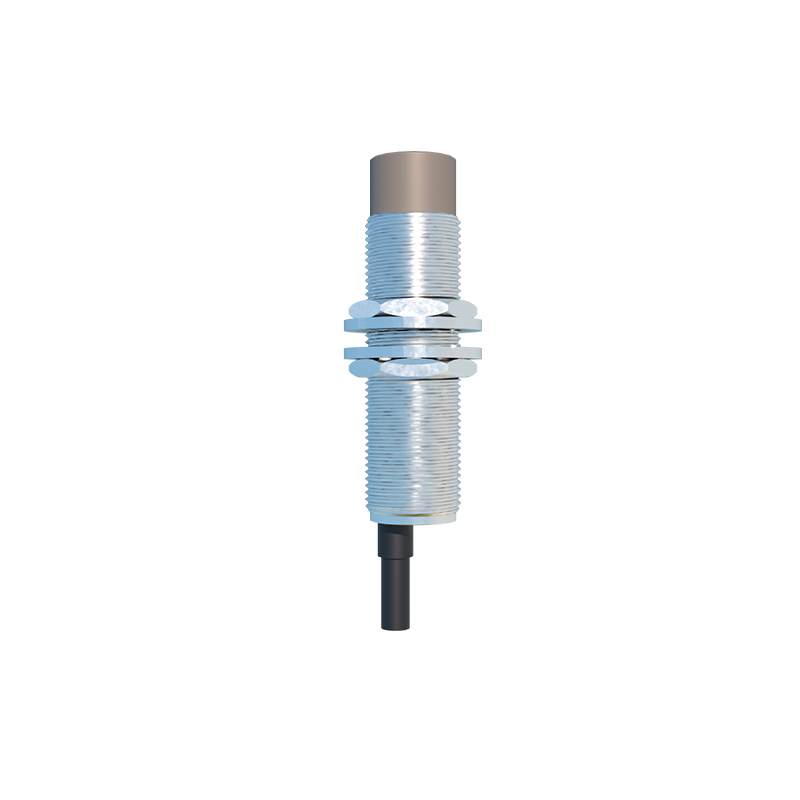
Furthermore, these sensors enable tool length and diameter checks. While not replacing dedicated tool presetters, simple proximity sensors can be used in-machine for rudimentary checks, compensating for minor tool wear or verifying the correct tool was loaded from the magazine. This contributes directly to process optimization by reducing setup times and providing a layer of quality assurance. In advanced implementations, sensors monitor conditions like tool run-out or vibration levels indirectly by detecting the precise position of the tool shank, identifying issues before they affect surface finish.
Selecting the right proximity sensor requires careful consideration of several factors. Sensing distance is paramount; it must be sufficient for reliable detection but not so large as to cause false triggers from nearby machine elements. Environmental resilience is non-negotiable. Sensors must be housed in rugged, sealed enclosures (typically rated IP67 or higher) to withstand relentless exposure to conductive metal chips, abrasive dust, and cutting fluids (coolant and oil mist). High-frequency electromagnetic noise from spindle drives and servo motors necessitates sensors with excellent EMC (Electromagnetic Compatibility) shielding. The output type (PNP/NPN, analog, or IO-Link) must be compatible with the machine's PLC or CNC interface. IO-Link capable sensors are increasingly favored, as they provide not just a switch signal but detailed diagnostic data, facilitating predictive maintenance.
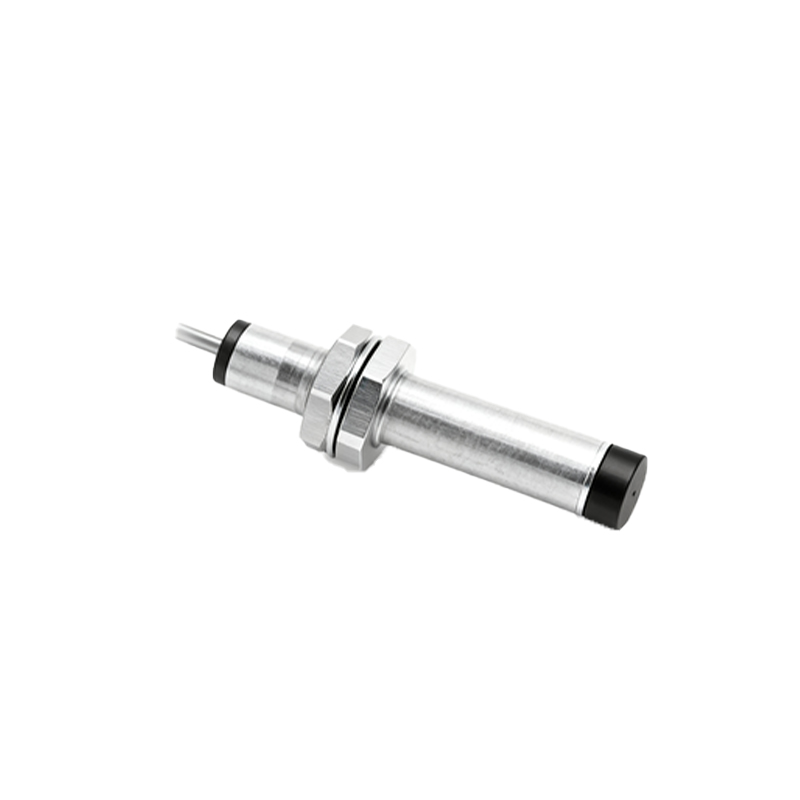
Installation and integration are as crucial as the sensor itself. Mechanical mounting must be rigid to prevent vibration-induced misalignment. The sensing face must be positioned precisely relative to the tool's path. Wiring should be routed away from power cables to minimize noise interference. Integration with the CNC logic involves programming the machine to execute probe routines at specific points in the cycle, such as after a tool change or at the start of a new batch.
The future of milling cutter proximity sensing is intertwined with Industry 4.0. Smart sensors with integrated diagnostics will communicate directly with higher-level manufacturing execution systems (MES), providing data streams on tool usage and machine health. This evolution from simple protection to data-driven process optimization underscores the growing role of these robust, reliable components. For any operation seeking to maximize uptime, ensure safety, and achieve new levels of precision in CNC milling, investing in a well-designed proximity sensing system is not merely an option—it is a fundamental requirement for modern, competitive manufacturing.