In the intricate world of industrial automation and smart devices, countless components work in silent harmony. Among these, a particularly crucial yet often overlooked partnership exists: that between proximity switch sensors and magnets. This duo forms the backbone of non-contact detection, enabling machines to "sense" presence, position, and movement without physical touch. Understanding how proximity switch sensor magnets function reveals the elegant simplicity powering complex systems.
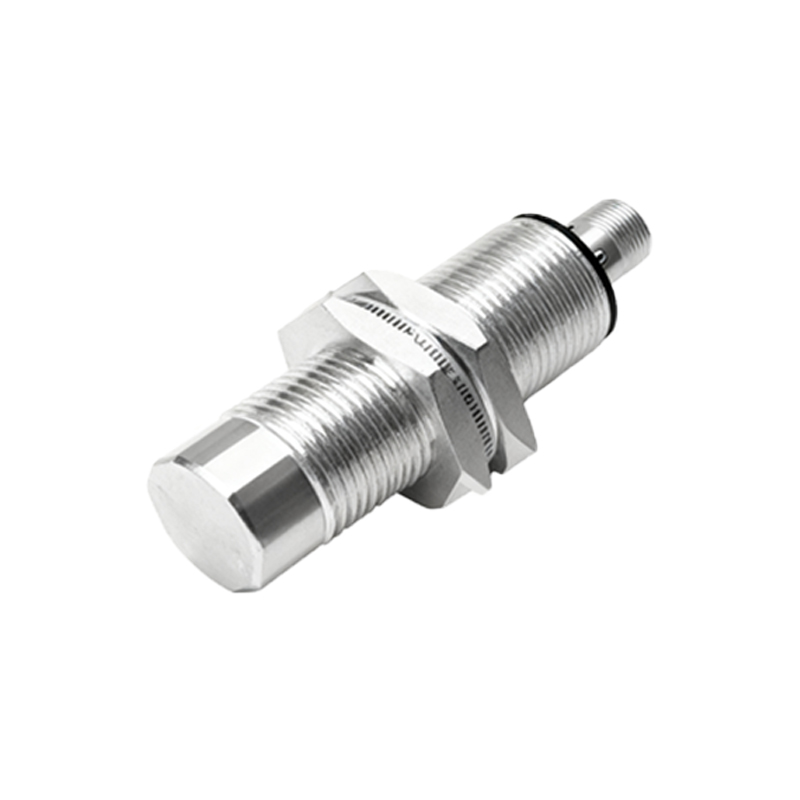
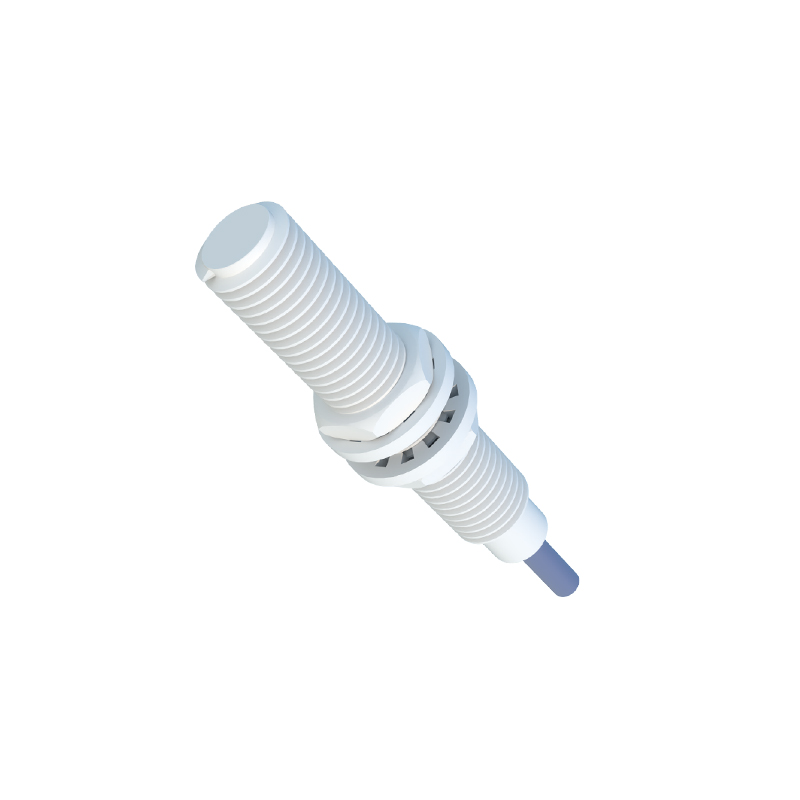
At its core, a proximity sensor is a device that detects the presence or absence of an object within a specific range. Unlike mechanical limit switches, it requires no physical contact, leading to vastly improved reliability, speed, and longevity. But for many of these sensors, especially inductive and magnetic types, the key to their operation lies in their interaction with a magnet.
Magnetic proximity sensors, often called reed switches or Hall-effect sensors, are explicitly designed to be triggered by a magnetic field. A reed switch contains two ferromagnetic reeds sealed within a glass tube. When a magnet, typically a permanent magnet made from materials like neodymium, samarium-cobalt, or ferrite, approaches, the reeds magnetize and attract each other, closing the circuit. This simple "on/off" signal is then used by a control system. Hall-effect sensors, on the other hand, produce a voltage variation when exposed to a magnetic field, allowing for more precise detection of position and strength.
But the role of magnets extends beyond just magnetic sensors. Inductive proximity sensors, which detect metallic objects, also frequently employ magnets in their target applications. For instance, a pneumatic cylinder's piston position is often detected by an inductive sensor. To achieve this, a small but powerful ring magnet is mounted on the piston. As the piston moves, the magnet travels with it. The inductive sensor, mounted externally on the cylinder barrel, detects the magnetic field's change, thereby sensing the piston's location without any penetration or wiring into the cylinder itself. This application showcases the magnet's role as a reliable "flag" or actuator for sensors that don't directly sense magnetism.
The selection of the magnet is not arbitrary. Engineers must consider several critical factors. The magnetic field strength must be sufficient to reliably trigger the sensor across the required air gap, accounting for any housing materials. The temperature stability of the magnet material is vital, as industrial environments can experience extreme heat or cold that can demagnetize certain types. Physical size and shape are constrained by the available space in the application, such as a tiny slot in a cylinder piston. Orientation of the magnetic poles is also crucial; the sensor is often designed to be sensitive to a specific magnetic field direction.
The advantages of using proximity switch sensor magnets are profound. They enable completely sealed sensing solutions, protecting internal components from dust, moisture, oils, and other contaminants. This leads to exceptional durability in harsh environments. The high-speed response of magnetic detection allows for incredibly fast cycle times in machinery. Furthermore, this method provides exceptional precision and repeatability in positioning tasks, which is essential in robotics, assembly lines, and CNC machinery.
From the automated doors at a supermarket to the precise robotic arms in a car factory, proximity switch and magnet combinations are everywhere. They ensure elevator doors don't close on passengers, count revolutions on a motor shaft, confirm the closure of safety guards, and manage the sequencing of complex packaging machines. Their silent, reliable operation is a testament to effective engineering.
In conclusion, the proximity switch sensor magnet is far more than a simple piece of magnetic material. It is a fundamental enabler of non-contact sensing technology. By converting physical movement into a clear, clean electrical signal, this partnership provides the reliability, speed, and robustness that modern automated systems demand. As automation continues to evolve towards greater precision and intelligence, the nuanced understanding and application of these magnetic interactions will remain a critical, if invisible, force driving innovation forward.