In the realm of industrial automation and control systems, proximity sensors, often referred to as proximity switches, stand as fundamental components for non-contact object detection. These devices are engineered to detect the presence or absence of an object within a specified sensing range without any physical contact. This non-contact nature eliminates mechanical wear and tear, ensuring high reliability, long operational life, and the ability to function in harsh environments where dirt, oil, or moisture are prevalent. The core principle involves generating an electromagnetic field or a beam of radiation. When a target object enters this field, it causes a change in the field's state, which is then converted by the sensor's circuitry into a usable electrical output signal.
Proximity sensors are primarily categorized based on their underlying detection technology. The most common types include inductive, capacitive, and photoelectric sensors. Inductive proximity sensors are the workhorses for detecting metallic objects. They operate by generating an oscillating electromagnetic field from a coil. When a ferrous or non-ferrous metal target enters this field, it induces eddy currents within the metal, which dampens the oscillation. The sensor's circuit detects this damping and triggers a solid-state output switch. These sensors are ideal for applications like counting metal parts, detecting piston position in cylinders, or as end-of-travel limit switches in machinery.
Capacitive proximity sensors, on the other hand, can detect both metallic and non-metallic materials, including liquids, powders, plastics, and wood. They function by generating an electrostatic field. Any object that enters this field alters the capacitance of the sensor's circuit. This change is measured, and when it exceeds a preset threshold, the output switches state. This makes capacitive sensors versatile for tasks such as liquid level detection in tanks, monitoring material levels in hoppers, or detecting non-metallic packaging on a conveyor line.
Photoelectric sensors utilize light beams, typically infrared, visible red, or laser, for detection. They consist of a light emitter and a receiver. The presence of an object is detected either by the interruption of the beam (through-beam mode), by the reflection of the beam from the object back to the receiver (retro-reflective mode), or by the diffuse reflection from the object itself (diffuse mode). Photoelectric sensors offer the longest sensing ranges and are excellent for detecting objects of virtually any material, provided they are not perfectly transparent to the sensor's wavelength. They are widely used in packaging, material handling, and assembly line automation.
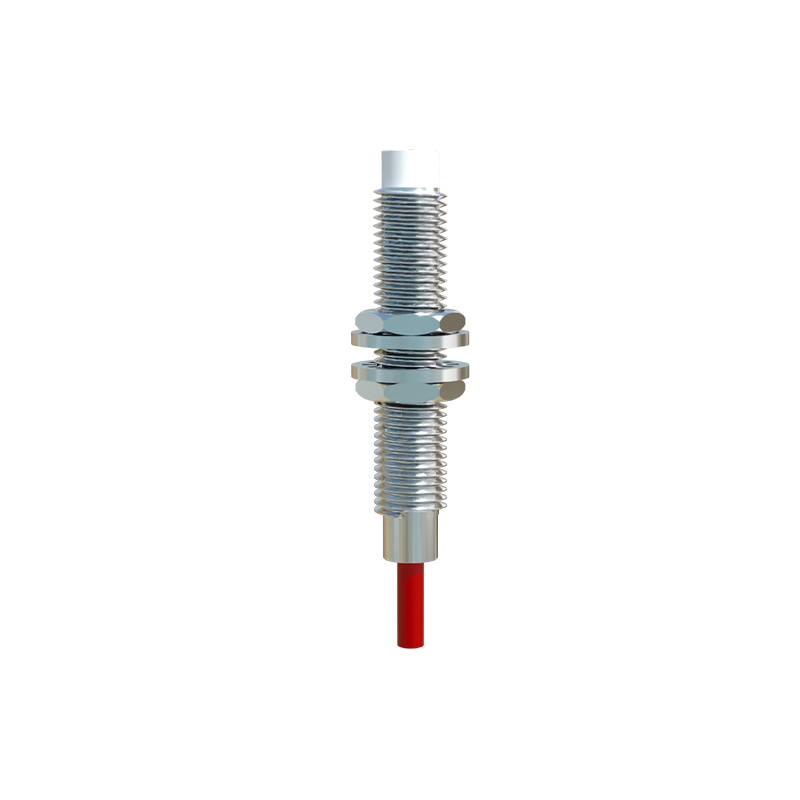
When selecting a proximity sensor for a specific application, several critical parameters must be evaluated. The sensing range, defined as the maximum distance at which the sensor can reliably detect a standard target, is paramount. The target material and size directly influence this range, especially for inductive and capacitive types. Environmental factors such as ambient temperature, potential for washdowns, and exposure to chemicals or welding spatter dictate the required housing material and ingress protection (IP) rating. The output configuration is another key decision; sensors can provide digital outputs (like NPN or PNP transistor outputs) or analog outputs (like 4-20 mA or 0-10 V) proportional to the distance. The mounting style, whether flush-mounted or non-flush, also affects the sensing characteristics and must be chosen based on the installation constraints.
The advantages of implementing proximity switches are substantial. They enable high-speed detection and counting, crucial for modern high-throughput manufacturing. Their solid-state design ensures millions of reliable switching cycles. By eliminating physical contact, they prevent product damage and reduce maintenance downtime. Furthermore, their sealed designs allow for reliable operation in challenging conditions, from food processing plants to automotive welding lines.
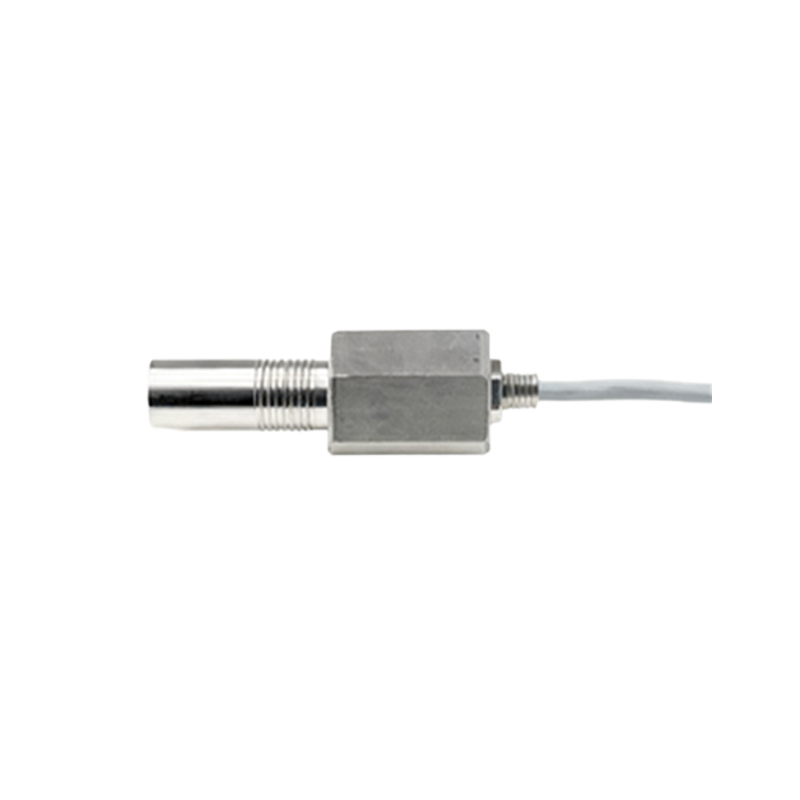
In conclusion, proximity sensors are indispensable in creating efficient, reliable, and intelligent automated systems. A thorough understanding of the different sensor technologies—inductive, capacitive, and photoelectric—along with a careful analysis of the application requirements regarding target material, sensing distance, environment, and output needs, is essential for optimal selection and integration. As Industry 4.0 and the Industrial Internet of Things (IIoT) advance, these sensors continue to evolve, offering enhanced diagnostics, IO-Link communication for parameterization and data exchange, and greater precision, further solidifying their role as the silent sentinels of modern industry.