In today's rapidly evolving industrial landscape, the demand for skilled professionals in sensor technology, particularly in proximity sensors, is at an all-time high. General proximity sensors play a crucial role in automation, safety systems, and efficiency enhancements across various sectors, including manufacturing, automotive, and robotics. As companies strive to integrate smarter and more reliable sensing solutions, the need for talented engineers and technicians has become a top priority. This article explores the current recruitment trends, essential qualifications, and career opportunities in this dynamic field.
The electrical industry is witnessing a significant shift towards automation and IoT integration, driving the adoption of advanced proximity sensors. These devices, which detect the presence or absence of objects without physical contact, are essential for applications such as assembly line monitoring, collision avoidance, and precision control. Consequently, businesses are actively seeking individuals with expertise in designing, testing, and maintaining these systems. A successful candidate typically possesses a strong background in electrical engineering, with specialized knowledge in sensor principles, signal processing, and embedded systems. Familiarity with industry standards, such as IEC 60947-5-2, is also highly valued.
Recruitment for proximity sensor roles often emphasizes both technical and soft skills. On the technical side, proficiency in programming languages like C++ or Python, experience with CAD software for sensor design, and understanding of wireless communication protocols are key assets. Employers also look for problem-solving abilities, as engineers must troubleshoot sensor malfunctions and optimize performance in real-world environments. Additionally, collaboration skills are vital, as these professionals frequently work in multidisciplinary teams alongside mechanical engineers and data analysts.
The job market for proximity sensor specialists offers diverse opportunities, from entry-level positions to senior roles in research and development. Companies ranging from startups to multinational corporations are investing in sensor innovation, creating roles in product development, quality assurance, and field support. For those entering the field, certifications in automation or sensor technology can enhance employability. Meanwhile, experienced professionals may pursue leadership positions, overseeing projects that push the boundaries of sensor accuracy and durability.
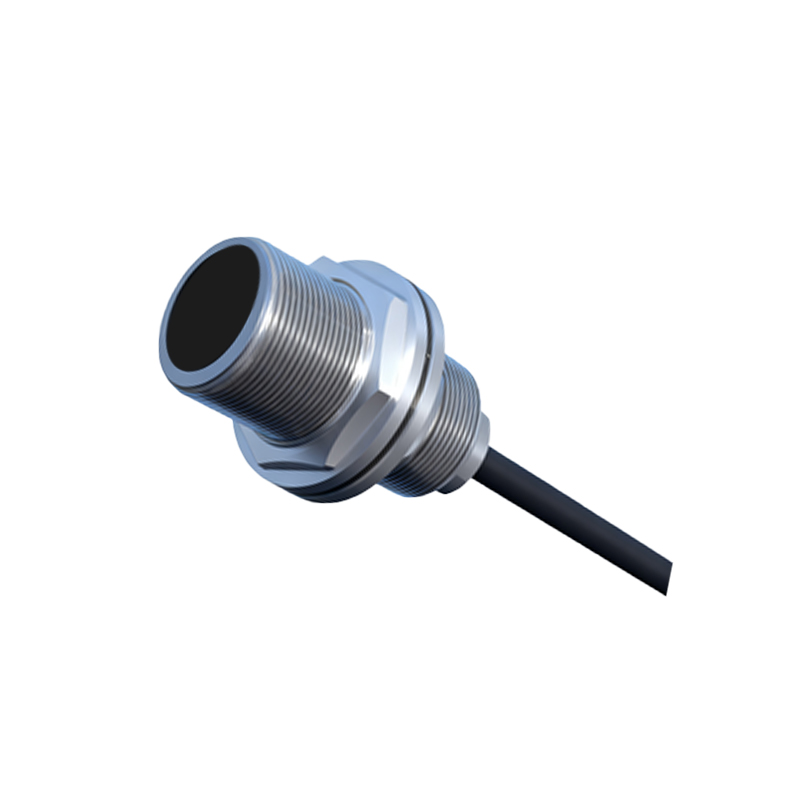
In terms of industry outlook, the proximity sensor market is projected to grow steadily, fueled by advancements in AI and machine learning. This growth translates into competitive salaries and benefits for qualified candidates. According to recent surveys, engineers in this niche can expect remuneration packages that reflect their expertise, with additional incentives for innovation and performance. Moreover, the global nature of the industry allows for opportunities in various regions, supporting mobility and career expansion.
To attract top talent, employers are adopting flexible recruitment strategies, including remote work options and continuous training programs. They seek individuals who are not only technically adept but also adaptable to emerging technologies like Industry 4.0. Networking through professional associations, such as the IEEE Sensors Council, can be beneficial for job seekers looking to stay updated on trends and connect with potential employers.
In conclusion, the recruitment landscape for general proximity sensor professionals is vibrant and promising. As industries continue to prioritize automation and smart systems, the demand for skilled engineers will only intensify. By acquiring the right mix of technical knowledge and practical experience, candidates can secure rewarding careers that contribute to technological progress. Whether you are a recent graduate or an experienced practitioner, now is an opportune time to explore roles in this essential sector of the electrical industry.