Proximity sensors are indispensable components in modern industrial automation, providing non-contact detection of objects within their sensing range. Selecting the right sensor requires a thorough understanding of its technical specifications, which dictate performance, reliability, and compatibility with specific applications. This article delves into the key specifications engineers must evaluate.
The sensing distance, often termed nominal range, is a fundamental parameter. It indicates the standard detection distance for a predefined standard target, typically a square of mild steel. Operating distance, however, accounts for manufacturing tolerances and environmental conditions, usually ranging from 90% to 110% of the nominal value. Engineers must consider the safe mounting distance to prevent physical damage and ensure stable operation.
Hysteresis is a critical specification affecting switching stability. It is the difference between the switch-on point (as the target approaches) and the switch-off point (as the target recedes). Adequate hysteresis prevents chattering or rapid on/off cycling when a target is positioned near the sensing limit, ensuring clean output signals.
Output configuration is another vital decision point. Sensors are available with discrete outputs (NPN sinking, PNP sourcing, or both in a push-pull configuration) or analog outputs (current 4-20mA or voltage 0-10V). The choice depends on the controller's input module requirements. Solid-state outputs offer fast switching speeds and long life, while some models feature relay outputs for high-power switching.
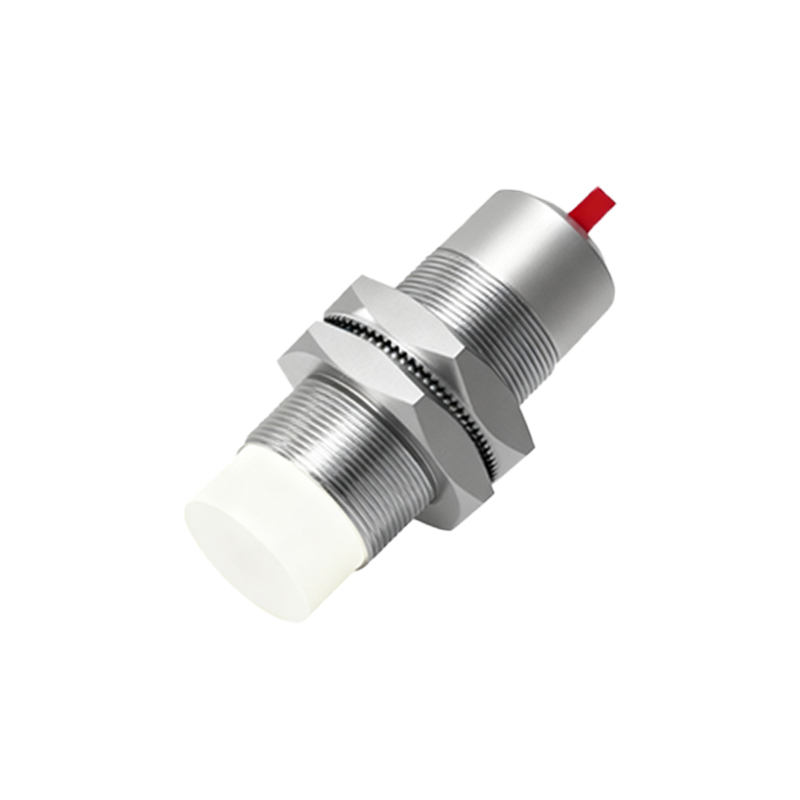
Switching frequency, measured in Hertz (Hz), defines how many on/off cycles the sensor can perform per second. High-speed applications, such as counting small parts on a fast conveyor, demand sensors with high switching frequencies (often 1kHz to 5kHz or more) to avoid missing objects.
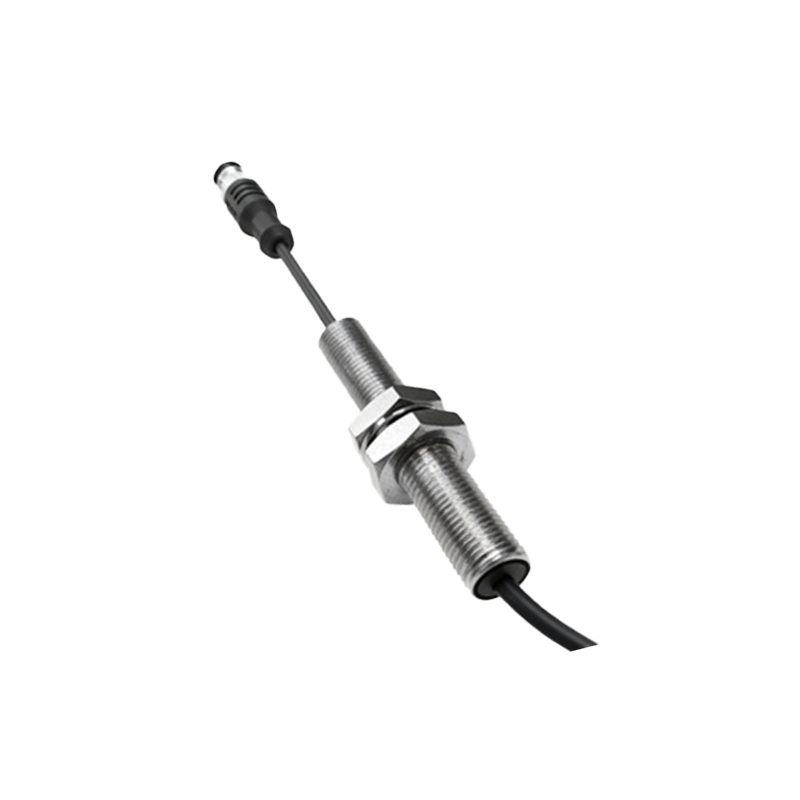
Environmental ratings are non-negotiable for industrial durability. The Ingress Protection (IP) rating (e.g., IP67, IP69K) defines protection against dust and liquids. Operating temperature range specifies the ambient conditions the sensor can withstand without performance degradation. For harsh environments, resistance to chemicals, oils, and mechanical shock/vibration is specified.
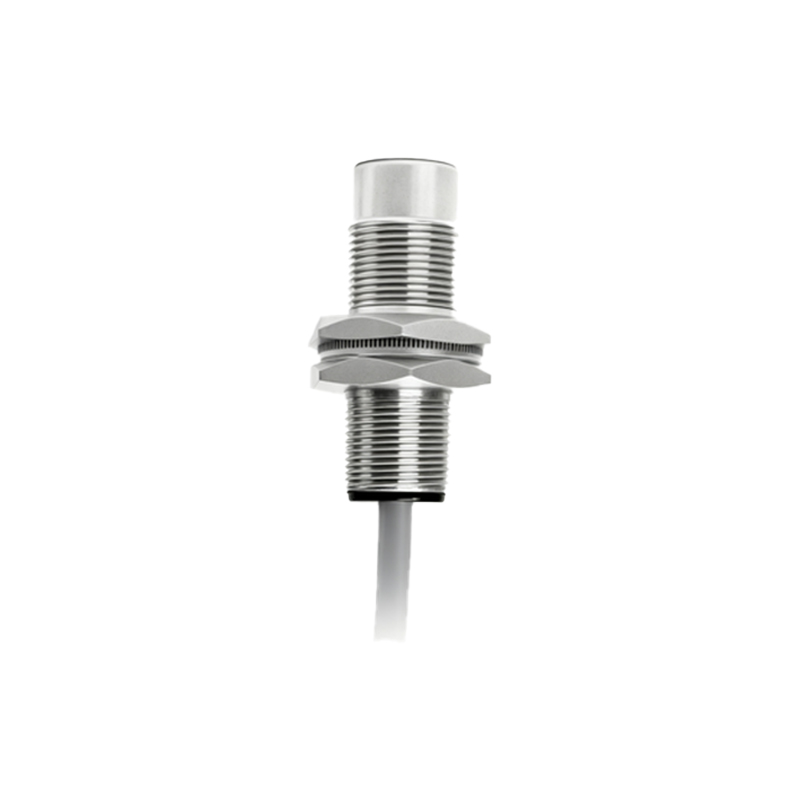
Electrical characteristics include supply voltage range (e.g., 10-30V DC), current consumption, and short-circuit/overload protection. Load current specifies the maximum current the output can switch, which must be compatible with the connected load.
Target material and size significantly influence sensing performance. Inductive sensors detect metals, with correction factors for different types (steel, aluminum, copper). Capacitive sensors can detect non-metallic materials. The sensor's data sheet specifies the minimum detectable object size relative to its standard target.
Additional features enhance functionality. Built-in diagnostics like LED status indicators (power, output, stability) aid in troubleshooting. Synchronization capability prevents mutual interference when multiple sensors are mounted close together. Certain models offer teach-in functions for easy adjustment of sensing parameters.
In conclusion, a meticulous review of proximity sensor specifications—encompassing sensing characteristics, electrical and mechanical properties, and environmental robustness—is paramount for optimal system integration. Engineers should cross-reference datasheet parameters with actual application demands, including target properties, required response time, ambient conditions, and electrical interface, to ensure long-term, reliable operation within the automation ecosystem.