In industrial automation and machinery design, proximity sensors play a critical role in non-contact detection, object positioning, and process control. However, installation scenarios often present unique challenges, particularly when sensors must detect targets through barriers, walls, or protective enclosures. This video guide demonstrates professional through-wall installation methods for inductive, capacitive, and ultrasonic proximity sensors, ensuring reliable operation in demanding environments.
The core principle behind through-wall sensing involves selecting a sensor with sufficient sensing range and output stability to penetrate non-metallic or thin metallic barriers. Inductive sensors, for instance, can detect metallic objects through non-metallic walls like plastic, glass, or composite materials, but their effective range reduces based on wall thickness and material permeability. The video begins by outlining key pre-installation checks: verifying sensor specifications for rated sensing distance reduction factors, ensuring the barrier material does not contain metallic fillers that could interfere, and confirming environmental ratings (IP67/IP69K) for sealed applications.
Step-by-step, the guide illustrates mounting techniques for common wall materials. For plastic or fiberglass enclosures, technicians are shown how to drill precision holes matching sensor thread sizes (e.g., M8, M12, M18), using sealing gaskets to maintain ingress protection. The demonstration emphasizes avoiding over-tightening, which can distort housing and affect sensitivity. For metallic barriers, the video explains the use of “flush-mountable” inductive sensors designed to ignore surrounding metal, allowing installation embedded in machine frames without false triggers.
Calibration is a focal segment. Viewers learn to adjust sensor sensitivity potentiometers or teach-in functions after installation, using target objects at operational distances to set optimal switching points. Real-world examples include detecting fluid levels through polycarbonate tanks, monitoring conveyor items through acrylic guards, and sensing valve positions through stainless steel plates. Each scenario highlights troubleshooting tips: mitigating electrical noise with shielded cables, compensating for temperature drift in ultrasonic sensors, and using ferrite cores near frequency-driven walls.
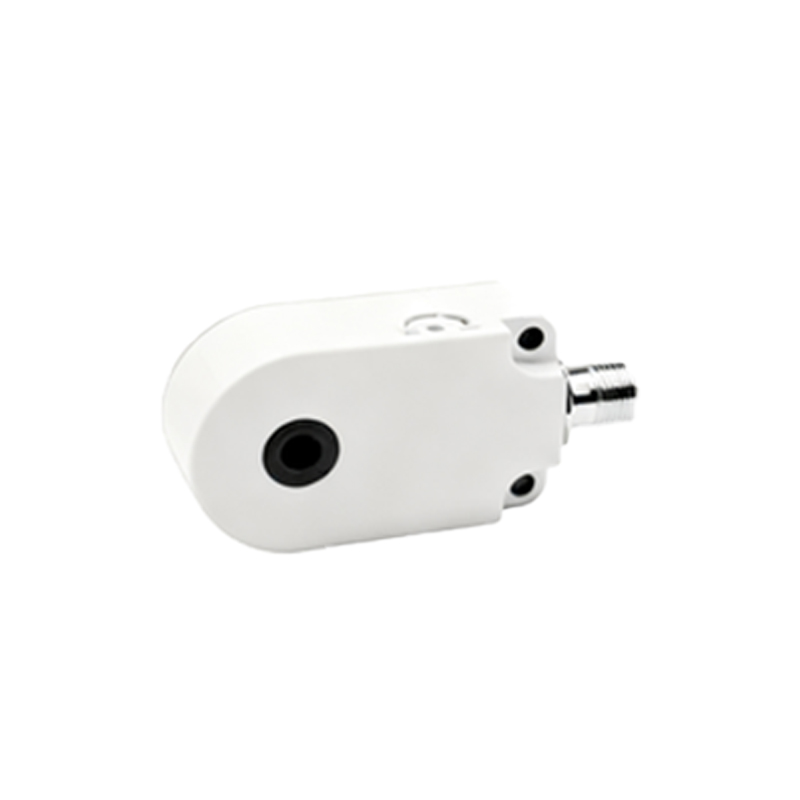
Advanced applications cover capacitive sensors detecting non-metallic materials (e.g., wood, liquid) through thin barriers, and ultrasonic sensors for distance measurement through porous walls. The video concludes with maintenance best practices: periodic cleaning of barrier surfaces to prevent residue buildup, verifying signal stability with oscilloscopes or PLC diagnostics, and replacing sensors if barrier modifications alter performance.
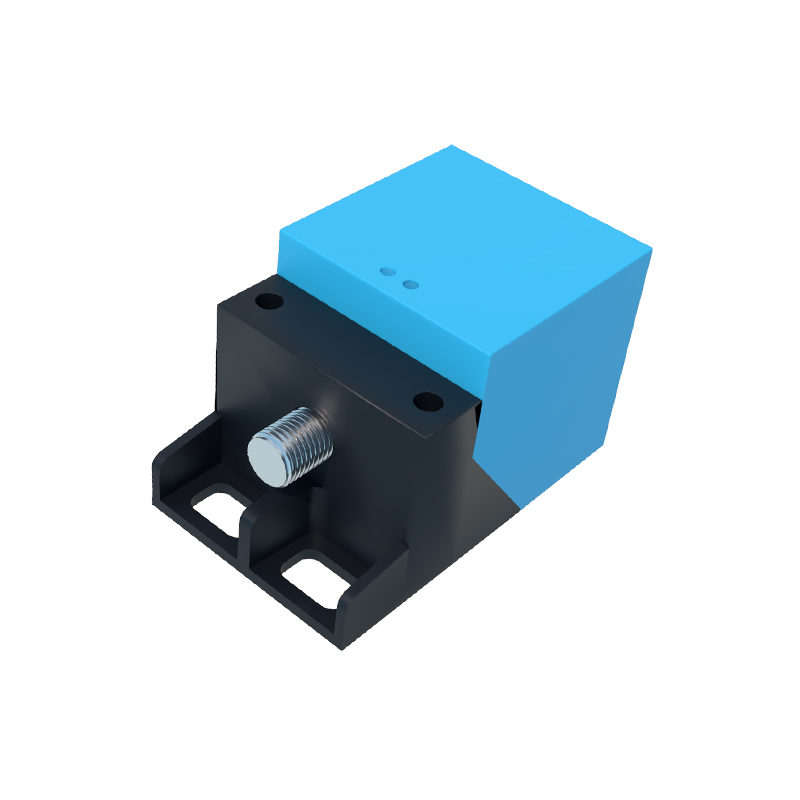
By integrating these methods, engineers can enhance system safety and flexibility, reducing direct sensor exposure to harsh conditions. The techniques align with IEC 60947-5-2 standards for proximity device performance, ensuring compliance in automated manufacturing, packaging, and automotive assembly lines.