In modern industrial environments, precise humidity control is critical for maintaining product quality, ensuring operational safety, and protecting sensitive equipment. Laser humidity sensors have emerged as a leading technology for monitoring moisture levels with high accuracy and reliability. However, when these sensors trigger alarms, it is essential for engineers and technicians to understand the underlying causes, implications, and appropriate response protocols. This article delves into the operational principles of laser humidity sensors, common reasons for alarm activation, and best practices for addressing such alerts in industrial settings.
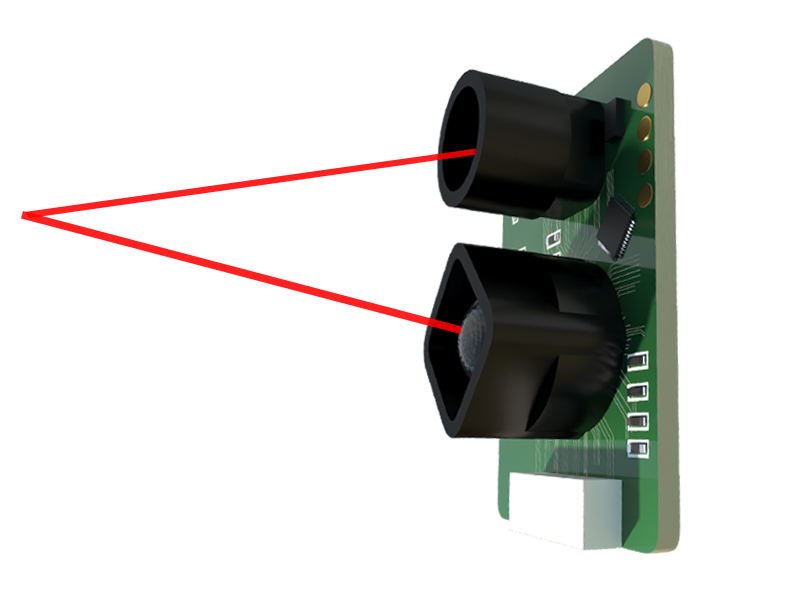
Laser humidity sensors operate based on tunable diode laser absorption spectroscopy (TDLAS). A laser beam is directed through the gas sample, and specific water vapor absorption lines are measured to determine humidity concentration. This method offers advantages such as fast response times, minimal drift, and the ability to function in harsh conditions. Despite their robustness, these sensors can generate alarms due to various factors, including environmental interference, sensor degradation, or abnormal process conditions.
Common alarm triggers include condensation on optical surfaces, which can scatter or absorb the laser beam, leading to inaccurate readings. Contaminants like dust, oil mist, or chemical vapors in the measurement path may also interfere with laser transmission. Additionally, electrical noise, power supply fluctuations, or calibration drift over time can cause false alarms. In some cases, alarms indicate genuine process deviations, such as excessive humidity levels that risk corrosion, mold growth, or product spoilage. For instance, in pharmaceutical manufacturing, high humidity can compromise sterile conditions, while in semiconductor production, it may lead to wafer oxidation.
Upon receiving an alarm, personnel should first verify the sensor's readings through secondary instruments or manual checks. Inspecting the sensor for physical obstructions, cleaning optical components with approved methods, and ensuring stable power and signal connections are initial steps. If the alarm persists, reviewing calibration records and performing a recalibration with traceable standards may be necessary. It is crucial to document all actions and observations for troubleshooting and compliance purposes.
Preventive maintenance plays a key role in minimizing false alarms. Regular cleaning schedules, environmental controls to reduce contaminants, and periodic performance verification help sustain sensor accuracy. Implementing redundancy with multiple sensors in critical applications can provide backup and cross-validation. Furthermore, integrating sensors with supervisory control and data acquisition (SCADA) systems enables real-time monitoring and automated alerts for proactive management.
In conclusion, laser humidity sensor alarms serve as vital indicators of potential issues in industrial processes. By comprehending their technology and adhering to systematic response strategies, engineers can ensure reliable humidity control, enhance operational efficiency, and safeguard assets. Continuous training on sensor maintenance and alarm interpretation further empowers teams to handle these situations effectively, contributing to overall system resilience and productivity.
