In the rapidly evolving landscape of industrial automation, the demand for precise, reliable, and efficient sensing technologies has become paramount. Laser proximity sensors have emerged as a critical component in this domain, offering unparalleled accuracy in object detection, distance measurement, and positioning across various applications. The project background for developing and implementing these sensors stems from the growing need to enhance operational efficiency, reduce downtime, and ensure safety in manufacturing, logistics, and robotics sectors.
Historically, traditional sensing methods such as inductive, capacitive, or ultrasonic sensors have been widely used. However, these technologies often face limitations in terms of range, resolution, and environmental adaptability. For instance, in high-speed assembly lines or complex robotic systems, even minor inaccuracies can lead to significant production errors or safety hazards. This gap in performance has driven the innovation toward laser-based solutions, which utilize focused light beams to detect objects with micron-level precision, regardless of material composition or surface conditions.
The development of laser proximity sensors is rooted in advancements in optoelectronics and semiconductor technologies. Over the past decade, improvements in laser diode efficiency, coupled with cost reductions in optical components, have made these sensors more accessible for industrial use. Additionally, the integration of digital signal processing (DSP) and microcontrollers has enabled real-time data analysis, allowing for adaptive responses in dynamic environments. This technological synergy has facilitated the creation of sensors that are not only accurate but also robust against interference from dust, vibration, or ambient light—common challenges in industrial settings.
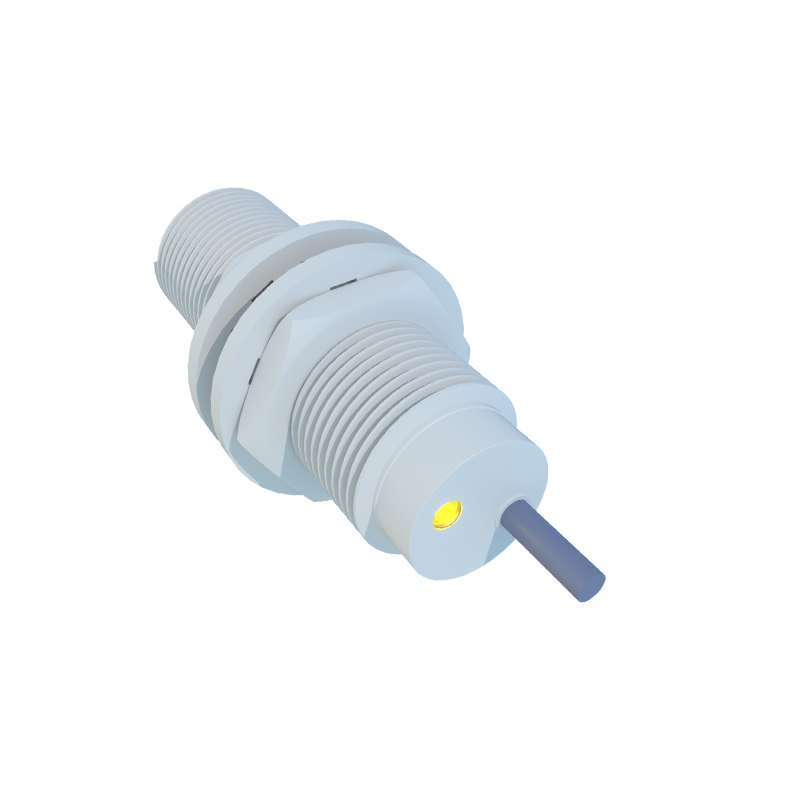
From an application perspective, laser proximity sensors are pivotal in areas such as automated guided vehicles (AGVs), where they ensure collision-free navigation, or in quality control systems, where they measure dimensions and detect defects with high repeatability. In the automotive industry, for example, these sensors are employed in welding and painting processes to maintain consistent distances between tools and workpieces, thereby improving product uniformity. Similarly, in packaging and material handling, they optimize inventory management by accurately counting items or monitoring fill levels.
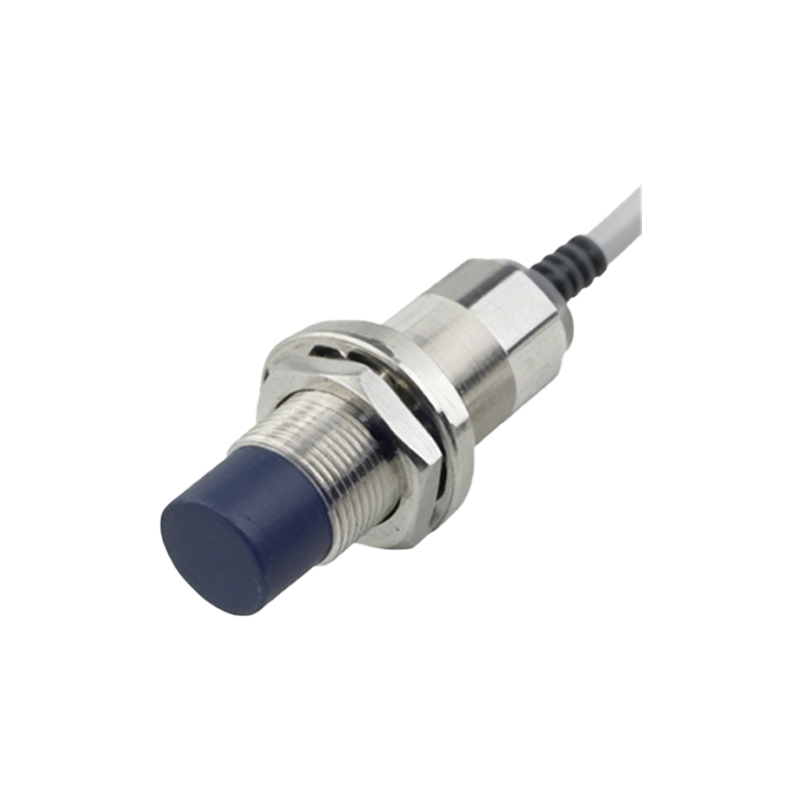
The project to advance laser proximity sensor technology also aligns with broader industry trends, including the rise of Industry 4.0 and the Internet of Things (IoT). Modern sensors are increasingly designed with connectivity features, enabling seamless integration into smart factories where data from sensors can be aggregated for predictive maintenance and process optimization. This connectivity reduces manual intervention and supports autonomous decision-making, contributing to leaner and more agile manufacturing ecosystems.
Despite their advantages, the deployment of laser proximity sensors involves considerations such as initial investment costs, calibration requirements, and compliance with safety standards for laser emissions. Ongoing research focuses on mitigating these challenges through miniaturization, energy-efficient designs, and enhanced user-friendly interfaces. Collaborative efforts between engineering teams and industry stakeholders aim to standardize protocols and ensure interoperability across different systems.
In summary, the project background for laser proximity sensors reflects a strategic response to industrial demands for higher precision and automation. By leveraging cutting-edge optical and electronic technologies, these sensors are set to play a transformative role in enhancing productivity, safety, and sustainability in modern industrial operations. As innovation continues, future iterations may incorporate artificial intelligence for smarter sensing capabilities, further solidifying their importance in the automation toolkit.