In the realm of industrial automation and control systems, the reliable detection of objects is paramount. Among the various sensing technologies available, the 220V AC proximity sensor stands out for its robustness and direct integration into standard power circuits. This article delves into the operational principles, key types, selection criteria, and best practices for implementing these critical components.
A 220V proximity sensor is a non-contact electronic device designed to detect the presence or absence of a metallic object within its sensing range without any physical contact. Operating directly on a 220 Volts Alternating Current supply, which is a common industrial voltage standard in many regions worldwide, it eliminates the need for additional power converters or control transformers in many setups. The core working principle is based on electromagnetic induction. The sensor contains an oscillator circuit that generates a high-frequency electromagnetic field at its active face. When a metallic target enters this field, eddy currents are induced on the target's surface. This causes a change in the oscillation amplitude, which is detected by the sensor's threshold circuit, subsequently triggering a solid-state switch to change the output state.
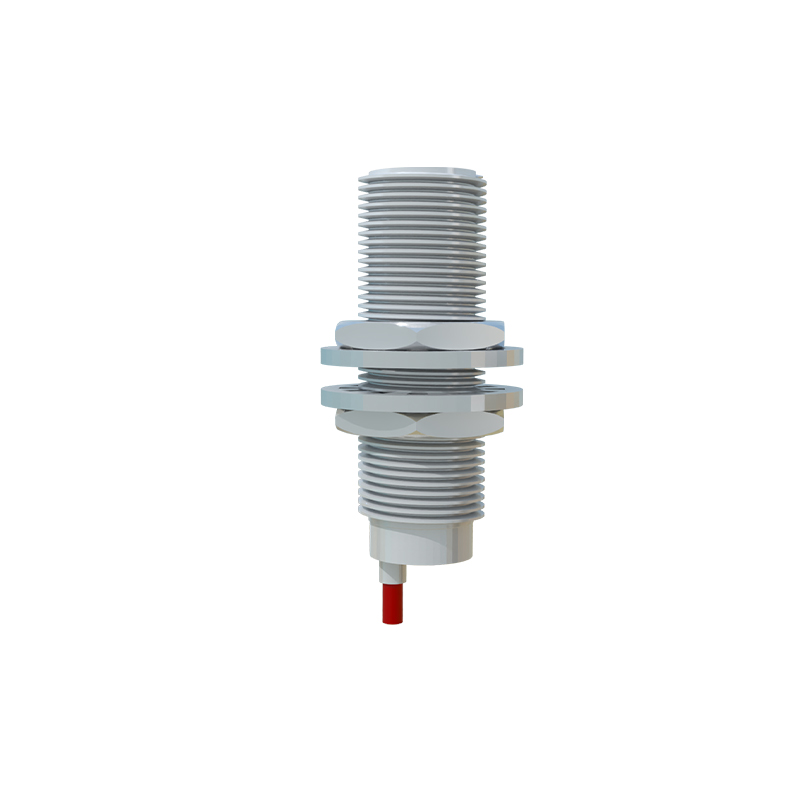
There are primarily two main types based on output configuration: 2-wire and 3-wire sensors. The 2-wire AC sensor is wired in series with the load, similar to a conventional switch, making installation straightforward. However, it typically has a small residual current (leakage current) even when off, which must be considered for some sensitive loads. The 3-wire AC sensor offers separate power, ground, and output wires. This design often provides a cleaner switching signal with virtually zero off-state leakage current and is available in both PNP (sourcing) and NPN (sinking) output configurations, though NPN is more common for AC models. The sensing technology is almost exclusively inductive, meaning they detect ferrous and non-ferrous metals, with factors like sensing distance and material influence (correction factors for different metals) being critical specifications.
Selecting the right 220V proximity sensor requires careful consideration of several parameters. The sensing distance, or nominal range (Sn), must be chosen with a safety margin to account for mechanical tolerances and temperature variations. The housing material is crucial; brass, stainless steel, or plastic housings offer different levels of resistance to physical impacts and harsh chemicals. The IP (Ingress Protection) rating, such as IP67 or IP68, indicates the level of protection against dust and water, essential for washdown environments or outdoor use. Electrical characteristics like voltage range (e.g., 20-250V AC), switching frequency, and output current capacity must match the control circuit and load requirements. Furthermore, the installation style—flush mountable or non-flush—affects the sensing characteristics and immunity to side-by-side mounting interference.
The advantages of using 220V AC proximity sensors are significant. Their high switching capacity allows them to directly control contactors, solenoid valves, and indicator lamps. They offer long operational life due to the absence of moving parts and contact arcing. Their non-contact nature ensures no wear on the sensor or the target, leading to minimal maintenance. They are highly resistant to environmental contaminants like oil, dust, and moisture when properly rated.
For optimal performance, correct installation and wiring are non-negotiable. Sensors should be mounted securely to minimize vibration effects. For metallic mounting surfaces, maintaining the recommended clearance around the sensing face is vital to prevent false triggers. Proper shielding and separation of sensor cables from high-power lines are necessary to avoid electromagnetic interference. It is also essential to ensure the load does not exceed the sensor's maximum current rating, and for inductive loads like coils, surge suppression may be required.
In conclusion, the 220V AC inductive proximity sensor is a workhorse in industrial control panels and machinery. Its ability to interface directly with mains voltage power circuits, coupled with exceptional reliability and speed, makes it an indispensable tool for tasks ranging from simple part detection on a conveyor to complex position feedback in automated systems. A thorough understanding of its specifications and application guidelines is key to designing efficient, safe, and durable automated solutions.